Digital Transformation of
Translation & Intercultural Communication
The 2026 International Conference on Translation Education (ICTE 2026)
Conference Background
A well-established international series bringing together scholars, educators, and industry practitioners.
Following highly successful conferences at City University of Hong Kong (2014), The Chinese University of Hong Kong, Shenzhen (2019, 2024), and The Hong Kong Polytechnic University (2025), ICTE 2026 continues its tradition of scholarly excellence.
Hosted by the Faculty of Humanities and Social Sciences at Beijing Normal-Hong Kong Baptist University (BNBU), this edition aims to respond to the rapid technological and societal changes shaping our field.
The Theme
Digital transformation as a systemic phenomenon in translation and intercultural communication.
We move beyond viewing technology merely as a "computer-assisted" tool. ICTE 2026 critically engages with how AI, digital platforms, and data-driven technologies are fundamentally altering:
Pedagogy & Assessment
Reshaping curriculum design, learning outcomes, and evaluation frameworks in the AI era.
Digital Environments
The impact of digital platforms, remote collaboration, and technology-mediated learning.
Professional Identity
How digital transformation affects the roles, agency, and competencies of translators and educators.
Conference Topics
We invite abstract submissions covering, but not limited to, the following sub-themes:
- AI-augmented translation and interpreting training
- Integrating LLMs and multimodal tools into curricula
- Remote and hybrid interpreting education
- Data-driven approaches to translation studies
- Ethics of algorithmics (privacy, bias, transparency)
- Intersections with Digital Humanities
- AI-mediated intercultural encounters
- Voice, identity, and agency in digital spaces
- Digital storytelling and transmedia narratives
- Changing professional roles and workflows
- Policy frameworks for AI in language services
- Academia-industry synergies and case studies
Keynote Speakers
ICTE 2026 is pleased to feature distinguished scholars in digital humanities, translation and interpreting, intercultural communication, and language technology.
(in alphabetical order of surname)
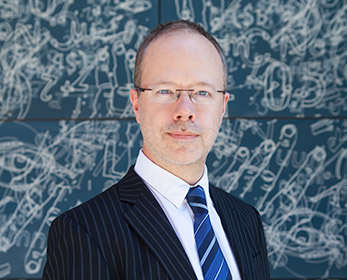
Prof. Paul ARTHUR
Speaker Bio: Prof. Paul Arthur is Vice-Chancellor’s Professorial Research Fellow, and Professor of Digital Humanities and Social Sciences, at Edith Cowan University, Western Australia. He speaks and publishes widely on major challenges and changes facing 21st-century society, from the global impacts of technology on communication, culture and identity to migration and human rights. Prof. Arthur was Australia’s first Professor of Digital Humanities and is known as a leading figure in the development of the field in Australia and internationally. His latest book is Open Scholarship in the Humanities (2024, with Lydia Hearn). A Fellow of the Royal Historical Society, he has held visiting and honorary positions in Europe, North America, Asia-Pacific and Africa.
Speech Title: Translation Beyond Language: Communication and Culture in the Digital Age
Abstract: Translation is often understood as beginning and ending with language. But it can also be thought of more broadly as a process of carrying meaning across different media, contexts, and ways of knowing, including cultural understanding. In the digital age, translation increasingly shapes how people communicate, and how knowledge is created and shared. This presentation explores translation as one of the defining processes of contemporary digital culture. Beyond mediating between languages, translation provides a powerful lens through which to understand the movement of ideas, knowledge, and human experience across increasingly interconnected digital environments. From the digitisation of analogue materials to the circulation of culture through global digital networks, translation lies at the heart of many contemporary transformations. Drawing on perspectives from digital humanities, media studies, cultural and communication studies, and history, this talk reflects on how digital technologies are reshaping communication and cultural exchange.
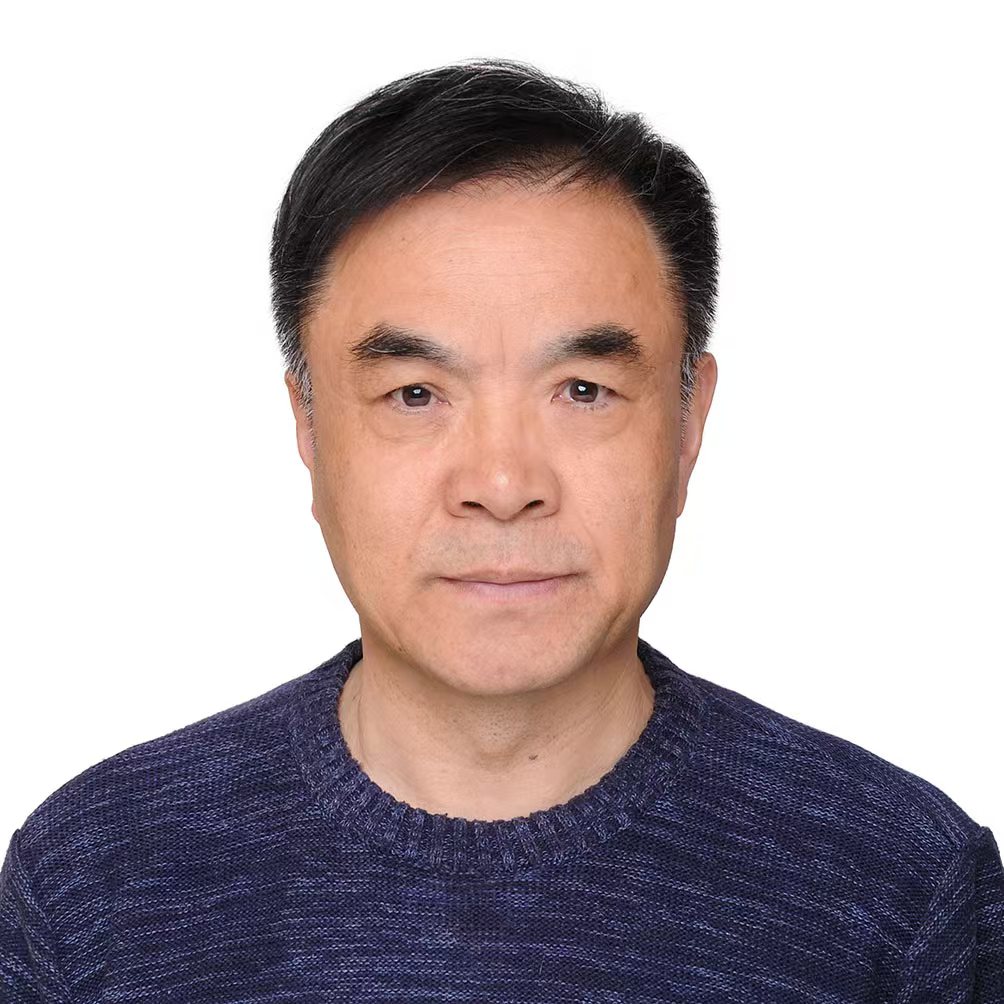
Dr. Jiasheng HU
Speaker Bio: Dr. Jiasheng Hu is a Research Fellow/Senior Editor and doctoral supervisor at the Institute of Language Science, Shanghai International Studies University. He serves as President of Shanghai Foreign Language Audiovisual Publishing House and Executive Deputy Editor-in-Chief of Technology Enhanced Foreign Language Education. He is an Executive Council Member of the China Association for Comparative Studies of English and Chinese, Chair of its Foreign Language Educational Technology Committee, Vice Chair of the Journal Committee of the China Association for Educational Technology, and an Executive Council Member of the Shanghai International Studies Association. His research focuses primarily on foreign language educational technology and interdisciplinary translation studies. He has led eight research projects funded at the provincial or ministerial level, authored four monographs and published more than 30 articles in reputable journals such as Chinese Translators Journal, Foreign Languages in China, and Discourse and Society.
Speech Title: Translation as a Mechanism of Civilizational Transformation from the Perspective of Translation Education
Abstract: Existing scholarship has examined the social functions of translation from the perspectives of translation history, knowledge translation, and national translation capacity. Yet there remains a lack of a mechanism-based explanation with cross-regional comparative power for how translation, over the longue durée of civilizational interaction, connects knowledge transfer, concept formation, and institutional change. From the broader perspective of translation education, this study proposes a conceptual framework of translation as a “mechanism of civilizational transformation,” viewing translation as both an information interface and a process of re-encoding through which external civilizational resources enter and become incorporated into local lexical, epistemic, and institutional systems. Comparative analysis is conducted across several representative historical settings, including the translation of Buddhist scriptures into Chinese, the Abbasid translation movement, the Arabic–Latin transmission of knowledge, Meiji Japan, and modern China.
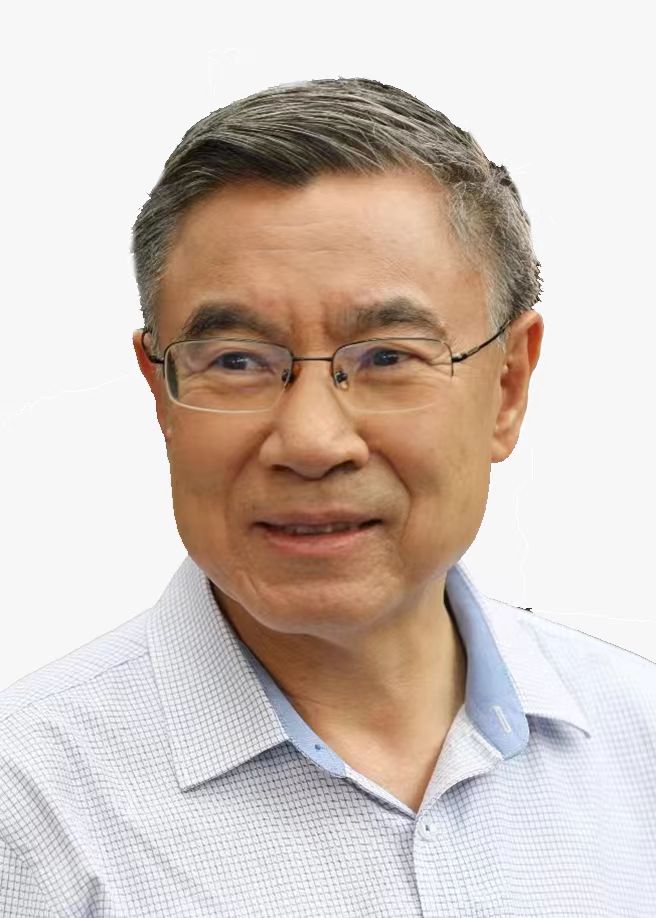
Mr. Youyi HUANG
Speaker Bio: Mr. Youyi Huang is Executive Vice President of the Translators Association of China; Deputy Director of the China Academy of Translation; Chair of the English Expert Committee for the China Accreditation Test for Translators and Interpreters (CATTI); Chair of the National Review Committee for Senior Professional Titles in Translation; Chair of the Expert Committee of the National Steering Committee for Graduate Education in Translation and Interpreting; and Deputy Editor-in-Chief of the Library of Chinese Classics. He formerly served as a member of the Academic Degrees Committee of the State Council of China; Chair of the Chinese National Steering Committee for the Professional Master’s Degree in Translation and Interpreting; Vice President of the International Federation of Translators; Deputy Director and Editor-in-Chief of the China International Communications Group (CICG), concurrently serving as Director of the China Internet Information Center; Editor-in-Chief of the Foreign Languages Press; Secretary-General of the Translators Association of China, and Editor-in-Chief of Chinese Translators Journal. Mr. Huang has provided interpreting services for CPC and state leaders on numerous occasions. For many years, he has also participated in translating and reviewing translations of CPC and government documents and speeches by state leaders. In addition, he has published numerous translated works and reviewed Chinese-to-English book manuscripts totaling several million Chinese characters. His publications include From “Translating the World” to “Translating China”: Collected Essays on International Communication and Translation Practice.
Speech Title: Advancing Chinese-to-Foreign Language Translation Practice in the AI Era: The Importance of Pre-editing and Translation Quality
Abstract: The emergence of AI-powered language tools has transformed the translation industry and driven it toward higher-end development. Chinese-to-foreign-language translation in the AI era must keep pace with the times by strengthening pre-editing and effectively leveraging the respective strengths of human translators and machines. While striving to meet global demand for information about China, translators must attach greater importance to translation quality and accurately convey the cultural elements embedded in Chinese texts. Pre-editing for Chinese-to-foreign-language translation should pay particular attention to target audiences’ cultural traditions and patterns of thought, with a view to enhancing the effect of international communication.
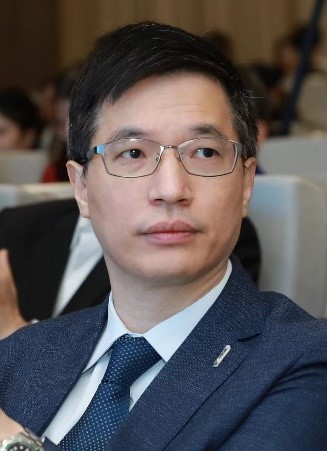
Prof. Dechao LI
Speaker Bio: Dechao Li is Professor and Associate Head of the Department of Language Science and Technology at The Hong Kong Polytechnic University, and Editor-in-Chief of Translation Quarterly, the refereed journal of the Hong Kong Translation Society. His research interests include translation theory, corpus-based translation studies, and empirical research on interpreting. He has published extensively in leading journals in China and abroad, including Perspectives: Studies in Translation Theory and Practice, The Interpreter and Translator Trainer, Target: International Journal of Translation Studies, Chinese Translators Journal, Modern Foreign Languages, Foreign Language Teaching and Research, and Journal of Foreign Languages. His latest book is Transcultural Poetics: Chinese Literature in English Translation (Routledge, 2023), co-edited with Yifeng Sun.
Speech Title: Human-Machine Collaborative Translation: Future Directions for Translation Education in the Era of AI
Abstract: This presentation explores the profound impact of generative AI on the translation industry and translation education. As AI translation technology rapidly evolves, translation work is shifting from a traditional craftsmanship model to a new paradigm requiring scholarly research support. The speaker analyzes the linguistic features, computational characteristics, and social impacts of GenAI-assisted translation, and explores student performance using AI across different text types through experimental research. The findings reveal that AI performs well in translating informative and appellative texts, but still has limitations with expressive texts (such as literary works), particularly in understanding stylistic elements and cultural implications. In response, the speaker recommends repositioning translation education by: (1) prioritizing reading comprehension skills over simple language transfer techniques; (2) adopting comprehensive training approaches that strengthen understanding of literature and cultural contexts; and (3) establishing structured post-editing processes guided by experienced translators. The presentation concludes by examining the prospects of AI in translation teaching, emphasizing that teachers can utilize AI for planning, implementation, and assessment, while highlighting the need to develop AI systems better suited for diverse learning environments and to foster collaboration between AI developers, educational experts, teachers, and students.
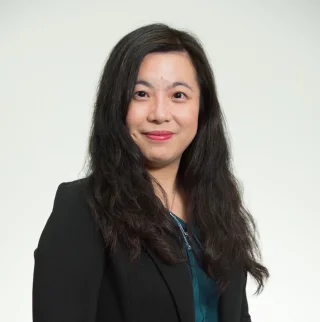
Prof. Janice Jun PAN
Speaker Bio: Jun Pan is Professor in the Department of Translation, Interpreting and Intercultural Studies at Hong Kong Baptist University (https://scholars.hkbu.edu.hk/en/persons/JANICEPAN/). Her research engages corpus-based approaches to translation and interpreting, political discourse, digital humanities, and learner factors and situated learning in interpreter education. She currently serves as President of the Hong Kong Translation Society and is the founder of Enter-Link, a Hong Kong Science Park based R&D entity (https://www.enterlinkhk.com/).
Speech Title: From Situated Learning to Service-Learning and Entrepreneurship in Translation and Interpreting—Archiving a Decade-Long Journey
Abstract: Recent advancements in Artificial Intelligence (AI) have renewed debate concerning the relationship between humans and machines. From the ancient Greek notion of technè as skilled craft to Heidegger’s reflections on technology as Ge‑stell and poiēsis, technology has been understood not merely as instrument but as a mode of revealing that shapes human practice. As algorithmic systems increasingly mediate communication and professional environments, translation and interpreting stand at the forefront of this transformation. In this context, it becomes necessary to reconsider how translation and interpreting are taught, practised, and situated within society. This paper reflects on a decade-long pedagogical journey that began with two university-level courses grounded in situated learning and evolved into sustained service-learning initiatives: Translation Workshop and Community Interpreting. Initially organised as student-run professional platforms, these courses fostered long-term collaboration with more than thirty community partners, integrating authentic practice, civic engagement, and reflective learning. Over time, this model extended beyond the classroom and developed into a technology-driven start-up, Enter-Link, positioned at the intersection of professional service, digital innovation, and entrepreneurship. Adopting an action research framework, the author act as a practitioner-researcher alongside the latest student cohort to construct a digital archive documenting this evolution (https://www.hkbutranslationworkshop.com/en/10th). Students analyse course websites, social media platforms, and TransFeed, an annual multilingual magazine capturing reflections on translation, interpreting, and community collaboration. They also conduct interviews with former students, community partners, and university staff members. The archive thus becomes both a repository of institutional memory and a reflective pedagogical exercise. By situating this decade-long initiative within the technè-Ge‑stell-poiēsis framework, the paper argues that service-learning in translation and interpreting can move beyond instrumental training toward a reflective practice that negotiates technological mediation while sustaining human agency. Archiving this journey not only documents institutional development but also offers a model for rethinking humanities education, professional formation, and entrepreneurial innovation in translation and interpreting under conditions of algorithmic transformation.
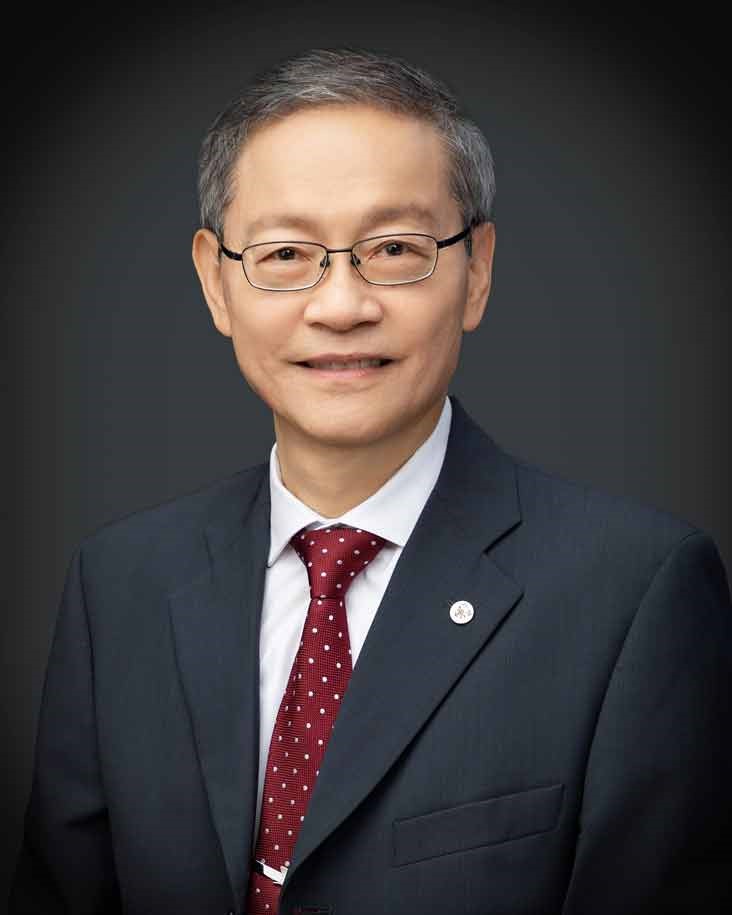
Prof. Chunshen ZHU
Speaker Bio: Chunshen Zhu received his PhD in English (Translation Studies) from the University of Nottingham in 1993. He has taught at Fujian Normal University, the National University of Singapore, the City University of Hong Kong, and the Chinese University of Hong Kong (Shenzhen). He is now an Adjunct Professor at the Faculty of Humanities and Social Sciences, Beijing Normal-Hong Kong Baptist University and an Honorary Research Fellow at the Centre for Translation, Hong Kong Baptist University. He also serves on the editorial boards of Chinese Translators Journal and Interpreter and Translator Trainer, as well as the international advisory board of The Translator. His research interests include translation studies, poetics, applied linguistics, stylistics, and digital humanities, with a focus on translation education and classical Chinese poetry. Apart from research papers regularly published in both English and Chinese since 1986, his recent publications include Fathoming Translation as Discursive Experience (Routledge, 2022) and Of Mind and Machine: Textual Accountability in Translation and for Translator Training (Routledge, 2024), and Chinese translations such as De Profundis by Oscar Wilde and All Trivia by Logan Pearsall Smith (《自深深处》 and《浮生琐记》, Yilin, 2022).
Speech Title: Transforming Translation Curriculum through Transformative AI: Where Technology and Humanity Meet in Depth
Abstract: The rise of transformative AI has exerted a profound impact on translation, compelling a rethinking of its professional practices, educational models, and scholarly frameworks. Rather than eroding translation’s identity, participation of AI in translation opens space for self reflexive critique, inviting the field to reassess its foundations and reimagine its social and pedagogical functions. This presentation distinguishes among translation’s epistemological nature, cultural value, operational modes, and instrumental functions, and further examines how knowledge, skill, and thinking intersect in AI mediated intercultural communication. These distinctions support a reconceptualization of translation not merely as skill training, but as a mode of education—both through translation and within translation. Building on this framework, I propose a restructured curriculum with three modules: 1. Practical: AI enhanced bilingual text production across genres from creative writing to advertising and localization. 2. Humanistic: Comparative grammar and literary analysis, scaffolded by discourse and stylistics, to refine human roles in joint human–AI text production. 3. Theoretical: Foundations of large language models, philosophy of AI, and pragmatics of prompting and meaning creation. These modules aim to sharpen language awareness, communicative sensitivity, and analytical discernment, enabling learners to engage confidently in human–AI communication without sacrificing humanity to efficiency.
Important Dates
Call for Papers Issued
Interested scholars, students and professionals are invited to submit abstracts.
Abstract Submission Deadline (extended)
Final day to submit your 300-word abstract through the submission portal.
Notification of Acceptance
Peer review results sent to authors.
Conference Dates
ICTE 2026 held at BNBU, Zhuhai, China.
Ready to Submit?
We welcome submissions for individual papers, poster presentations, and technology workshops. All abstracts will undergo a double-blind peer review process.
Go to Submission PortalProgramme
2026 International Conference on Translation Education (ICTE 2026) --Digital Transformation of Translation and Intercultural Communication 6-8 Nov. 2026, Beijing Normal-Hong Kong Baptist University, Zhuhai, China |
||
|---|---|---|
Day 1: Friday, 6 November |
||
15:00-19:00 |
Conference Registration 2/F Admin Building |
|
16:00-17:00 |
Technology Workshop (1) T5-303A Smart Translation Lab |
|
19:00-20:30 |
Technology Workshop (2) Council Chamber, 4/F Admin Building |
|
Day 2: Saturday, 7 November |
||
8:00-9:00 |
Conference Registration |
2/F Admin Building |
9:00-9:15 |
Opening Ceremony |
Performance Theatre |
9:15-10:15 |
Keynote Speech (1): Translation Beyond Language: Communication and Culture in the Digital Age Prof. Paul ARTHUR |
Performance Theatre |
10:15-10:30 |
Coffee/Tea |
2/F Admin Building |
10:30-11:30 |
Keynote Speech (2): Transforming Translation Curriculum through Transformative AI: Where Technology and Humanity Meet in Depth Prof. Chunshen ZHU |
Performance Theatre |
11:30-12:30 |
Keynote Speech (3): From Situated Learning to Service-Learning and Entrepreneurship in Translation and Interpreting—Archiving a Decade-Long Journey Prof. Jun PAN |
Performance Theatre |
12:30-14:00 |
Lunch |
Faculty Club, 4/F Admin Building |
14:00-15:30 |
Round-table Discussion: Translation, Communication and Publishing in the Age of AI Mr. Feng LIU, Mr. Qiang LIU, Prof. Li PAN |
Performance Theatre |
15:30-16:00 |
Coffee/Tea |
2/F Admin Building |
16:00-17:40 |
Plenary Sessions |
|||||
|---|---|---|---|---|---|---|
Session 1 |
Session 2 |
Session 3 |
Session 4 |
Session 5 |
||
Digital Transformation and T/I Pedagogy (1) |
Digital Transformation and T/I Pedagogy (2) |
Intercultural Communication in the Digital Era |
Industry, Policy, and Professional Practice |
Publication, Dissemination, and Knowledge Transfer |
||
Performance Theatre |
CC-327 |
CC-327 |
CC-302 |
CC-403 |
||
Shuhui DENG 翻译教学中伦理讨论的缺失与重构 ——基于切斯特曼五大翻译伦理模式的分析 |
Ying ZHANG AI Pedagogical Opportunities and Challenges in Interpreter Education: Reflections from Postgraduate Interpreting Classes |
Yunqing AI Meaning Loss in AI-Mediated Intercultural Communication: A Comparative Study of Cultural Transfer via Machine Translation of Culture-Loaded Words |
Ruilin LIAO & Yan QIN 归化与异化视角下AI翻译工具对中国特色经济术语的处理研究——基于经济学毕业论文摘要语料库的实证分析 |
John CORBETT & Li LI ‘The Human Factor’: Evaluating GenAI Input into the ‘Poettrio Method’ of Collaborative Poetry Translation |
||
Chenxi HE 人机协同与风格预设视角下 AI 赋能散文翻译课程创新 |
Zhiwei HAN Making Terminological Judgement Visible: An AI-Accessible Traditional Chinese Medicine Termbase for Specialised Translator Training |
Jiahua BU & Jinxin ZHANG When Doraemon Explains Chinese Culture: AI-Mediated Cultural Literacy on RedNote |
Xinyi ZENG & Qiuhan LIN Bridging the Rhetorical Gap: Comparing political metaphor translation quality between human translators and LLMs based on CEPIC |
Yafei LI Judgment Patterns of LLM Translation Evaluators through the Lens of Digital Patronage: AI-AI Bias, Human-Label Premium, and Model Self-Preference |
||
Li PAN AI赋能中国文化视听翻译教学研究 |
Yao GUO Evaluating LLM-Assisted Translation of Classical Chinese Texts: Implications for Translator Education |
Yifan CAO & Wei WANG Before Translation Begins: Configuring Agency, Access, and Time in the Chinese Translation of Klara and the Sun |
Daike LI Institutional Voice in Generative-AI-Assisted Chinese-English University News Translation: A Pilot Parallel-Corpus Study |
Haoyu LIU & Xiaying XU “Hearing” the Comments: User Motivations and Sound Perception of Douyin Voice Comments — A Soundscape and Uses & Gratifications Perspective |
||
Buyuan YE & Li PAN 从译写训练到融媒体创译:人机协同下跨文化传播教学的转向 |
Dora RENNA Translating the Academic Self: AI, Self-Translation and Academic English Writing among Italian University Students |
Xi CHEN Advertising Translation as Cultural Promotion: A Multimodal Analysis of Florasis’ China-Chic Cosmetics on Social Media |
Xinyue WU & Guanji LI 中国政治话语口译中自我指称与形象建构的人机对比研究 |
John Qiong WANG The Agentic Translator and the Posthuman Condition: From Algorithmic Semiosis to the Reconstruction of Babel |
||
Xindi HAO, Shuying ZHANG & Zhenai LI LLM-as-a-Judge for MQM-Based Machine Translation Evaluation: Feasibility, Bias, and Pedagogical Potential |
Malila PRADO What are we preparing students for? Rethinking educational frameworks for digitally mediated societies |
Wenjie ZOU Human Agency Through Prompt Literacy: Reducing Cultural Discount in AI-Assisted TCM Short Video Subtitling |
Jingze HAN Rethinking Translation Industry Academia Collaboration under Digital Transformation: An Analysis of Policy Documents and Recruitment Postings |
Sophie Zhuo YANG When Facts Travel: Teaching Responsible AI-Assisted Legal Communication Through the REI Framework |
||
18:00-20:00 |
Conference Dinner |
T1-101 |
||||
9:00-18:00 |
Poster Presentation & Industry Exhibition |
2/F Admin Building |
||||
Day 3: Sunday, 8 November
9:00-10:00 |
Keynote Speech (4): 强化译前编辑,重视译文质量,提高AI时代中译外水平 Mr. Youyi HUANG |
Performance Theatre |
||||||
|---|---|---|---|---|---|---|---|---|
10:00-10:15 |
Coffee/Tea |
2/F Admin Building |
||||||
10:15-11:15 |
Keynote Speech (5): 新时代翻译教育观念重塑与范式转型 Prof. Jiasheng HU |
Performance Theatre |
||||||
11:30-12:30 |
Plenary Sessions |
|||||||
Session 6 |
Session 7 |
Session 8 |
Session 9 |
Session 10 |
Session 11 |
|||
Digital Transformation and T/I Pedagogy (1) |
Digital Transformation and T/I Pedagogy (2) |
Digital Translation Studies and Research Methodologies |
Intercultural Communication in the Digital Era |
Industry, Policy, and Professional Practice (1) |
Industry, Policy, and Professional Practice (2) |
|||
Performance Theatre |
CC-326 |
CC-327 |
CC-302 |
CC-402 |
CC-403 |
|||
Yuxin DENG, Siyu CHEN & Wan HU Multimodal Note-Taking in Consecutive Interpreting: Exploring the Impact of AI-Assisted Training on Strategy Use, Performance, and Learning Experience |
Fangyan LI Written Translation Exercises for Literary and Non-literary Texts with AI Assistance: Novice Translation Students’ Perception |
Vladimir LUKIC Linguistic Injustice and the Normative Role of Large Language Models in Academia |
Minying YE From Ancient Shu to Chinese Civilization: An Organisational Semiotics Analysis of Nationalism in the Translanguaging Space at the Sanxingdui Ruin |
Qi WANG The Stylistic Status of Pseudotranslation: A Three-Way Corpus Study of Zhou Shoujuan's Original, Translated, and Pseudotranslated Texts |
Lvxin WANG AI时代下的文学翻译 ——以《边城》为例的人工与机器翻译比较研究 |
|||
Hao YIN & Wenjing LI The Development of Self- Regulated Human–AI Collaboration in AI-Assisted Translation Learning: A Longitudinal Behavioural Study |
Tianle LIU Exploring AI Translation Literacy among University Students: Perceptions, Practices, and Competence Development |
Xiaying XU & Xinyi LUO Transmedia Storytelling as Healing: Fanfiction as a Medium for Family Trauma and Negotiating Meaning |
Yuyin ZHU Mapping Discourse Points of View via a Corpus-Based Approach: A Comparative Evaluation of GPT-5.5 and DeepSeek-V3.2 in Translating Tang Poetry |
Yixiang WANG Error Patterns and Predictability of LLM Translation in Medical Policy Discourse: A Preliminary Quantitative Analysis |
Ling ZHU & Fuyi HUANG 生成式AI翻译的“最后一公里”: 中国戏曲典籍的翻译困境与突破路径 |
|||
Lin HE 翻译作为方法:区域知识生产的方法论建构 |
Chengyao GUO On Algorithmic Panopticism and Agency in Machine Translation Post-Editing |
Shuyin ZHANG, Yingyi ZHUANG, Xindi HAO & Zhenhai LI Supervised Fine-Tuning of Small Language Models for Chinese–English Public Sign Translation Assessment |
Lingyan WEI A Study on the Optimization of Translation Strategies for International Publicity of Intangible Cultural Heritage from the Perspective of Cross-Cultural Communication |
Zhiyu ZHANG 低资源公共服务情境下算法翻译的伦理问题:偏见与职业责任 |
Qianzi CHEN 《红与黑》英、汉译本中人物情感的跨语言迁移——基于人机协同标注的量化分析 |
|||
12:30-14:00 |
Lunch |
Faculty Club, 4/F Admin Building |
||||||
14:00-15:00 |
Plenary Sessions |
|||||
|---|---|---|---|---|---|---|
Session 12 |
Session 13 |
Session 14 |
Session 15 |
Session 16 |
||
Digital Transformation and T/I Pedagogy |
Digital Translation Studies and Research Methodologies |
Intercultural Communication in the Digital Era |
Industry, Policy, and Professional Practice (1) |
Industry, Policy, and Professional Practice (2) |
||
CC-326 |
CC-327 |
CC-302 |
CC-402 |
CC-403 |
||
He HE From Reliance to Critical Use: MTI Students’ Learning Behaviors in LLM-Assisted Translation Criticism |
Xiaoyan TAN Reimagining AI Translation through Knowledge Circulation: An Epistemological and Decolonial Perspective |
Liu YANG Digital Narrative of Chinese Web Novels in English Translation: Genres, Platforms, and Audiences |
Yinqian LIN & Hong LI Museum Outreach Translation in Cross-Cultural Communication: Comparing English Subtitles of Connecting with the Millennia at Shaanxi History |
Jingyi YANG AI Agent与TMS协同赋能专业翻译生产——以YiCAT Agent为例 |
||
Guangqin XIN 生成式AI时代翻译伦理教育的新挑战与应对路径 |
Shuqi XING 控制—价值理论视域下的复语口译学业情绪类型、特征及驱动机制:一项Q方法研究 |
Xinyue ZHANG Chinese Internet Literature and Translational Remix: Emerging Modes of Audiovisual Remediation |
Zhen XU 基于博物馆展览类口述影像脚本撰写规则的大语言模型多模态翻译研究 |
Liang DONG AI+ NewClass:泛在智能翻译课堂的重构实践 |
||
Jin CAO & Rui FENG AI时代多模态翻译视角下丝路文化传播的符号协同机制研究 |
Yuqing ZHOU Negotiating Religious Culture in Animation Subtitling: A Qualitative Study of White Snake Trilogy from a multimodal perspective [online] |
Siyi LI & Li PAN A Study on Cross-Cultural Decoding of International Dissemination of Chinese Intangible Cultural Heritage (ICH) Short Videos from the Perspective of Semiotics: A Qualitative Analysis Based on International Students in China |
Yafei ZHU 从人机翻译差异到译后编辑决策:科幻文学机器译文的质量风险及其教育启示 |
|||
15:00-15:30 |
Coffee/Tea |
2/F Admin Building |
||||
15:30-16:30 |
Keynote Speech (6): Human-Machine Collaborative Translation: Future Directions for Translation Education in the Era of AI Prof. Dechao LI |
Performance Theatre |
||||
9:00-17:00 |
Poster Presentation |
2/F Admin Building |
||||
16:45-17:00 |
Closing Ceremony |
Performance Theatre |
||||
Registration
Conference registration requires payment and confirmation by the organizing committee.
Early-bird Rates
Presenters: CNY 800
Participants (non-presenters): CNY 400
Standard Rates
Presenters: CNY 1,000
Participants (non-presenters): CNY 500
Discounts
Student presenters: 50% discount
BNBU/HKBU students: Free of charge, proof of status required
Payment Method
Please pay the registration fee via our University's Payment Portal: https://pay.bnbu.edu.cn/uic-tpm/V1/collectionForm/e096211650fa40f090730f89e056f58b/en
The registration fee includes coffee/tea, meals and a conference dinner (for presenters only). Travel and accommodation are not included. Please note that the registration fee is non-refundable.
For further inquiries, please contact: [email protected]
Travel & Accommodation
Useful information for travelling to Zhuhai and arranging accommodation near the conference venue.
Zhuhai, located in Guangdong Province in southern China, is easily accessible by air, rail, road, and sea.
- By Air: The nearest airport is Zhuhai Jinwan Airport (ZUH), with domestic flights and limited international connections. Many international travelers arrive via Guangzhou Baiyun International Airport (CAN), Hong Kong International Airport (HKG), or Macau International Airport (MFM). From these hubs, Zhuhai can be reached by intercity bus, ferry, or private transfer within 1–3 hours.
- By Rail: High-speed trains connect Zhuhai Railway Station (Gongbei) and Zhuhai Tangjiawan Station with major cities such as Guangzhou and Shenzhen.
- By Road: The Hong Kong–Zhuhai–Macao Bridge provides a convenient route from Hong Kong. Long-distance buses also operate frequently within Guangdong Province.
- By Sea: Ferries run between Zhuhai and Hong Kong or Shenzhen, offering a scenic alternative.
International participants are advised to check visa requirements and allow sufficient travel time, especially during peak periods.
Tangjiawan is a pleasant coastal district known for its university campuses, research institutes, and relaxed environment. It offers a range of accommodation options suitable for conference participants.
- Recommended Conference Hotels: Xiangshanyi Hotel, Tangyi Hotel, Atour Hotel, Jinghuayuan Hotel, Days Inn, Elms Inn.
- Transportation Access: Most accommodations are within a short drive of the university and are well connected by taxis and ride-hailing services.
Early booking is strongly recommended, as availability may be limited during conference dates.