
On March 30, 2026, students from Beijing Normal-Hong Kong Baptist University (BNBU) and Hong Kong Baptist University (HKBU) applied classroom theories to a real-world challenge: a mock interview exercise designed to sharpen cross-cultural communication and professional interviewing skills.
The exercise was part of the General Education capstone course GCAP 3263: Special Topics in Communication and Chinese Culture at the Department of Communication, Faculty of Humanities and Social Sciences (FHSS), led by Dr. Wei Chin Wong, Associate Professor from Malaysia, and Miss Connie Li, Assistant Instructor from China. During this semester, the course is primarily taken by junior and senior students from the Faculty of Humanities and Social Sciences (FHSS), the School of Culture and Creativity (SCC), as well as exchange students from HKBU’s Finance and Geography programs. The exercise aimed to help students develop empathy, collaboration, and effective communication—essential competencies for completing a transdisciplinary capstone project.
To create an authentic cross-cultural environment, Dr. Wong invited four foreign interviewees Alan Martinez Maldonado (Puerto Rico), Juan Rengifo (Colombia), Julia Miyagawa Braga (Brazil), and Zahra Benmeka (Morocco). Their diverse linguistic and cultural backgrounds challenged students to adapt quickly and interview with sensitivity and professionalism.
Structured Learning in Action
The class was divided into nine groups of four to five students. Each group conducted a mock interview with one of the foreign interviewees while being observed by the course instructor and assistant instructor. Every session was evaluated using a structured assessment checklist focused on professional conduct, organized into three phases: pre-interview, during-interview, and post-interview. Key criteria included obtaining informed consent, building rapport, active listening, cross-cultural sensitivity, managing interview flow, and proper debriefing. Students were evaluated on how they introduced themselves, explained confidentiality, obtained consent, built rapport, demonstrated active listening, avoided interrupting, showed patience with accents, used clear and simple language, asked one question at a time, remained calm, and ended the interview warmly.
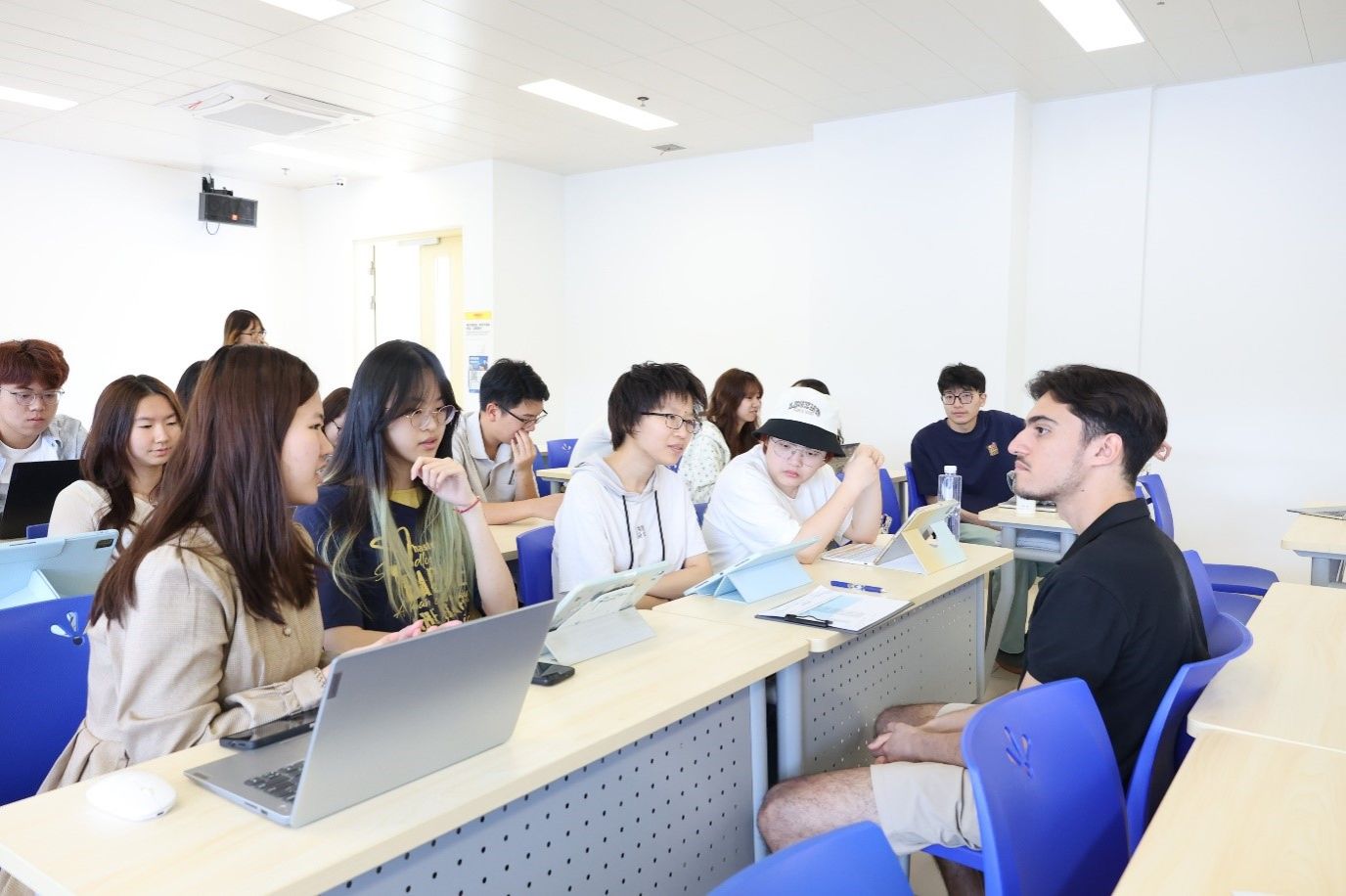
Figure 1: Alan listens as student interviewers take turns asking questions.
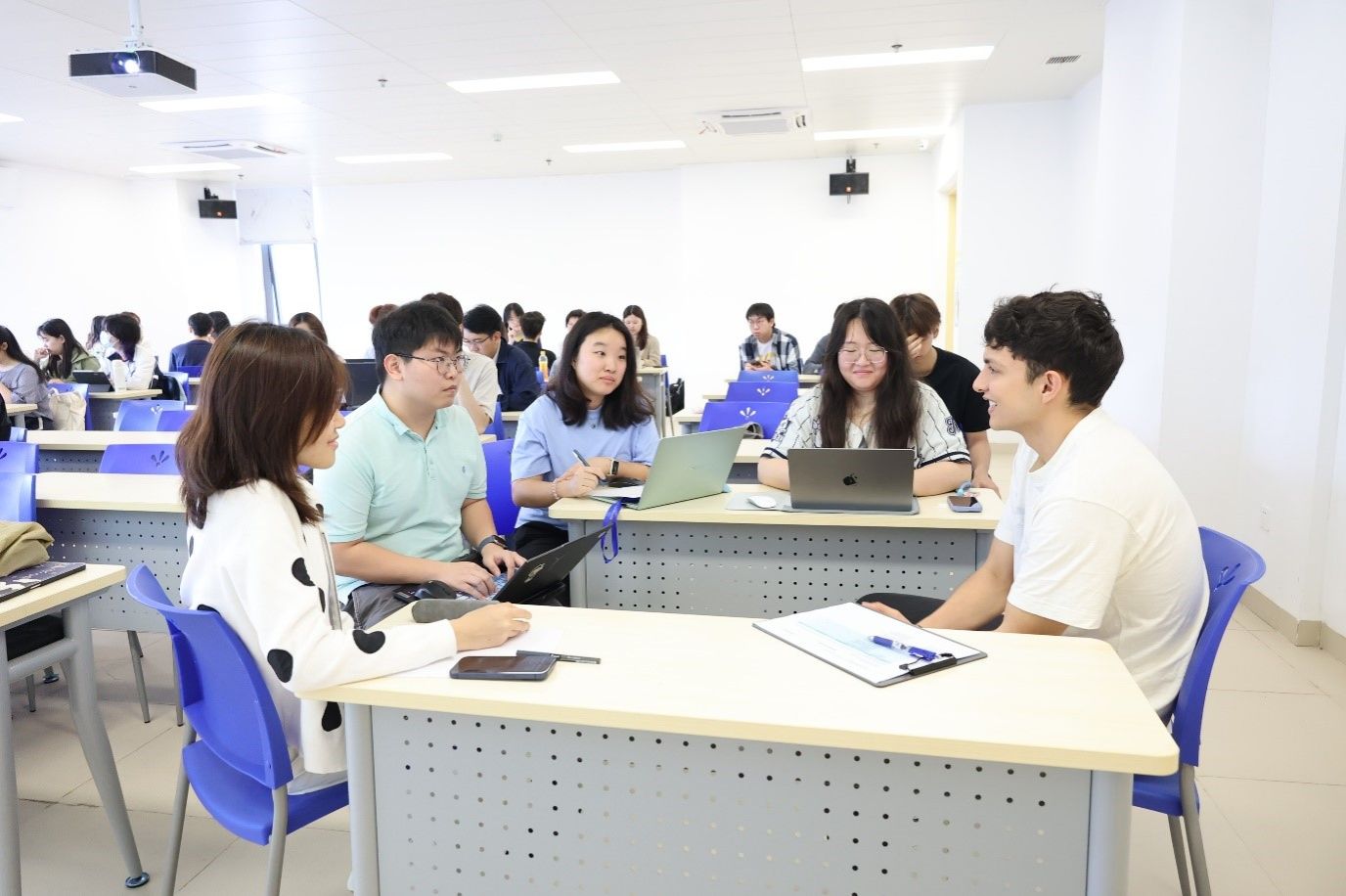
Figure 2: Juan engages with a group of students as they practice their interviewing techniques.
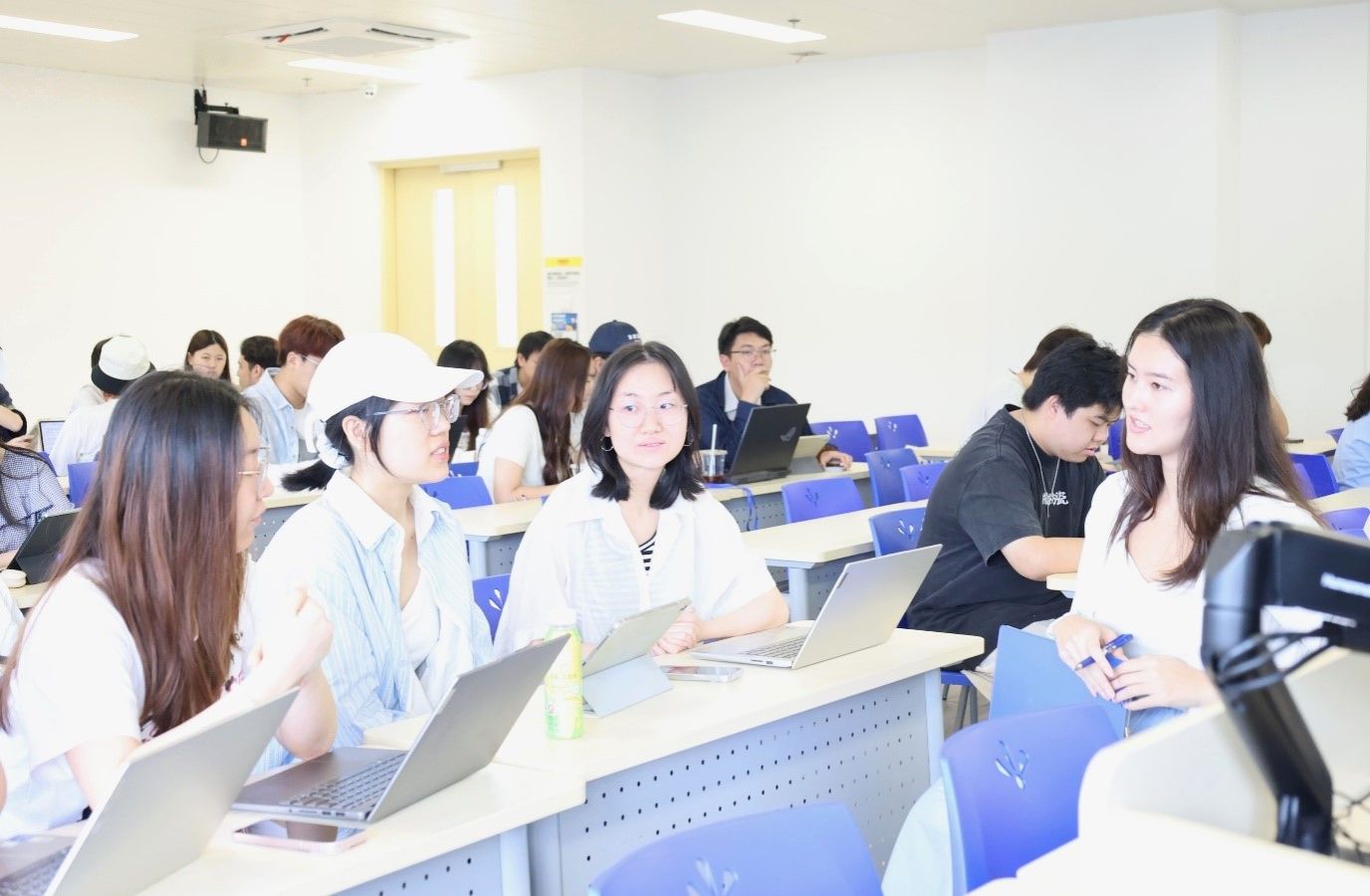
Figure 3: Julia, the individual on the right, offers personalized feedback to diverse student groups.
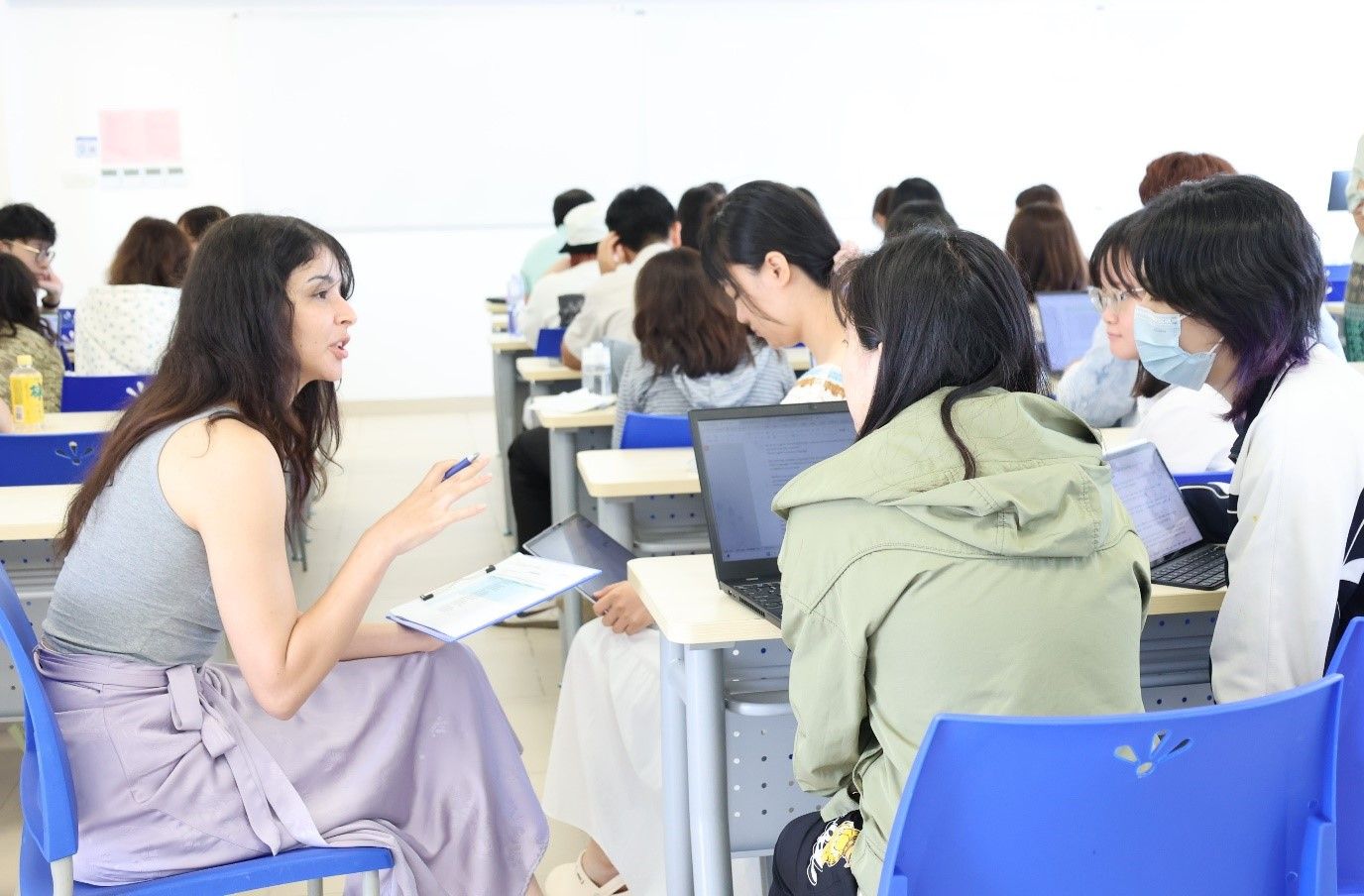
Figure 4: Zahra provides individual feedback to a group of students.
Key Takeaways from the Interviewees
After the interviews, each interviewee provided one-to-one feedback to their group, highlighting strengths and pinpointing areas for improvement. The session concluded with a joint postmortem briefing by all four foreign interviewees, who shared universal advice with the entire class.
Alan, Juan, Julia, and Zahra offered a clear, actionable feedback for student interviewers:
Always make eye contact. It signals respect and attentiveness.
Take control of your questions and manage their flow. Avoid unstructured, meandering interviews.
State the purpose and explain confidentiality, then seek explicit consent before starting.
Ask direct, focused questions. Broad questions lead to unclear answers.
Think about time and pace for each question. Stay on schedule without rushing.
Don’t ask questions based on assumptions. Stay curious and open.
Be more sensitive. Read non-verbal cues and avoid showing surprise at cultural differences.
Thorough preparation is crucial. Know your questions and your interviewee’s background.
Trustworthiness and honesty truly matter. Interviewees will share more openly when they feel valued and perceive the interviewer as trustworthy and honest person.
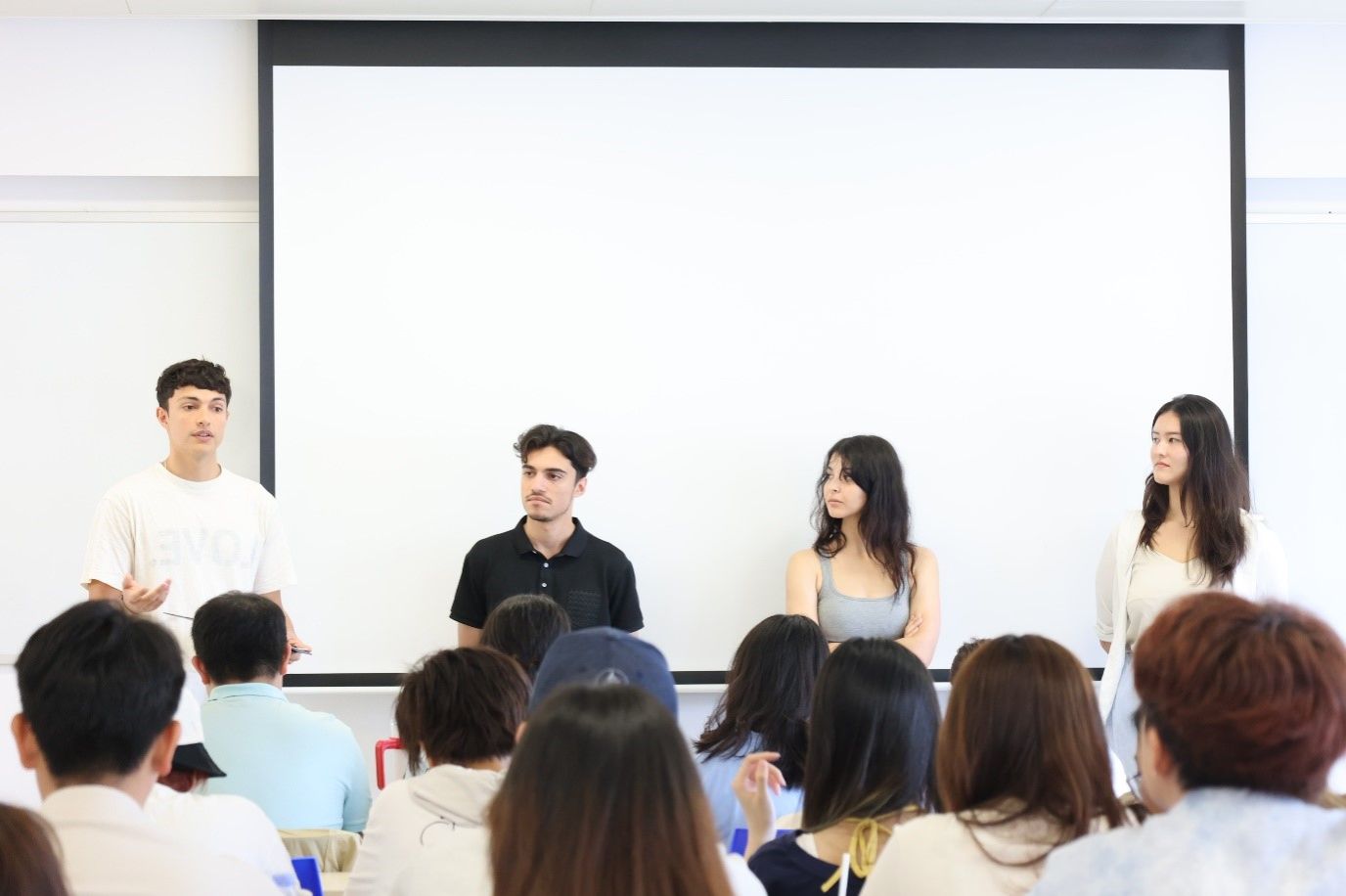
Figure 5: In a reflective wrap-up session, Juan, Alan, Zahra and Julia (from left to right) present their collective feedback and recommendations to all students.
A Valuable Learning Experience
The mock interview provided students with a rare opportunity to practice theoretical concepts in a safe yet challenging environment. Direct feedback from individuals representing Brazil, Puerto Rico, Colombia, and Morocco pushed students beyond their usual communication patterns and prepared them for real-world interdisciplinary collaboration.
Students responded positively to the exercise, highlighting its academic and cross-cultural value.
Mason Zhang Shuhao, a senior student from FHSS, noted that the activity allowed his group to put classroom interview skills into practice, thereby better mastering those skills and enhancing their academic research capabilities. He also emphasized the value of cross-cultural communication with foreign students, who shared their lifestyles, attitudes, and practical suggestions for future intercultural encounters.
Tiffany Zhang Lufan, also a senior from FHSS, shared that through speaking with one of the interviewees, Alan, she learned many stories about cultural adaptation. This gave her a more concrete and vivid understanding of cross-cultural communication, identity recognition, and cultural integration. She added that the exercise deepened her appreciation for the importance of respect and empathy.
Dorothy Lu Xinyu, a junior from FHSS, observed that the interview not only assessed learning outcomes but also offered real-time feedback, promoting diversity in academic training. She described the activity as a cross-cultural encounter that expands global insights and demonstrates the international character of liberal education at BNBU and HKBU.
Anthony Chung Kai Tung, a junior from HKBU, called the mock interview truly inspiring. He noted that he gained a much better understanding of interview details, which he believes will be very helpful when designing interviews in the future.
By combining structured evaluation, diverse interviewees, and personalized feedback, this mock interview delivered a practical training session that will serve both BNBU and HKBU students well in their future capstone projects and professional careers.
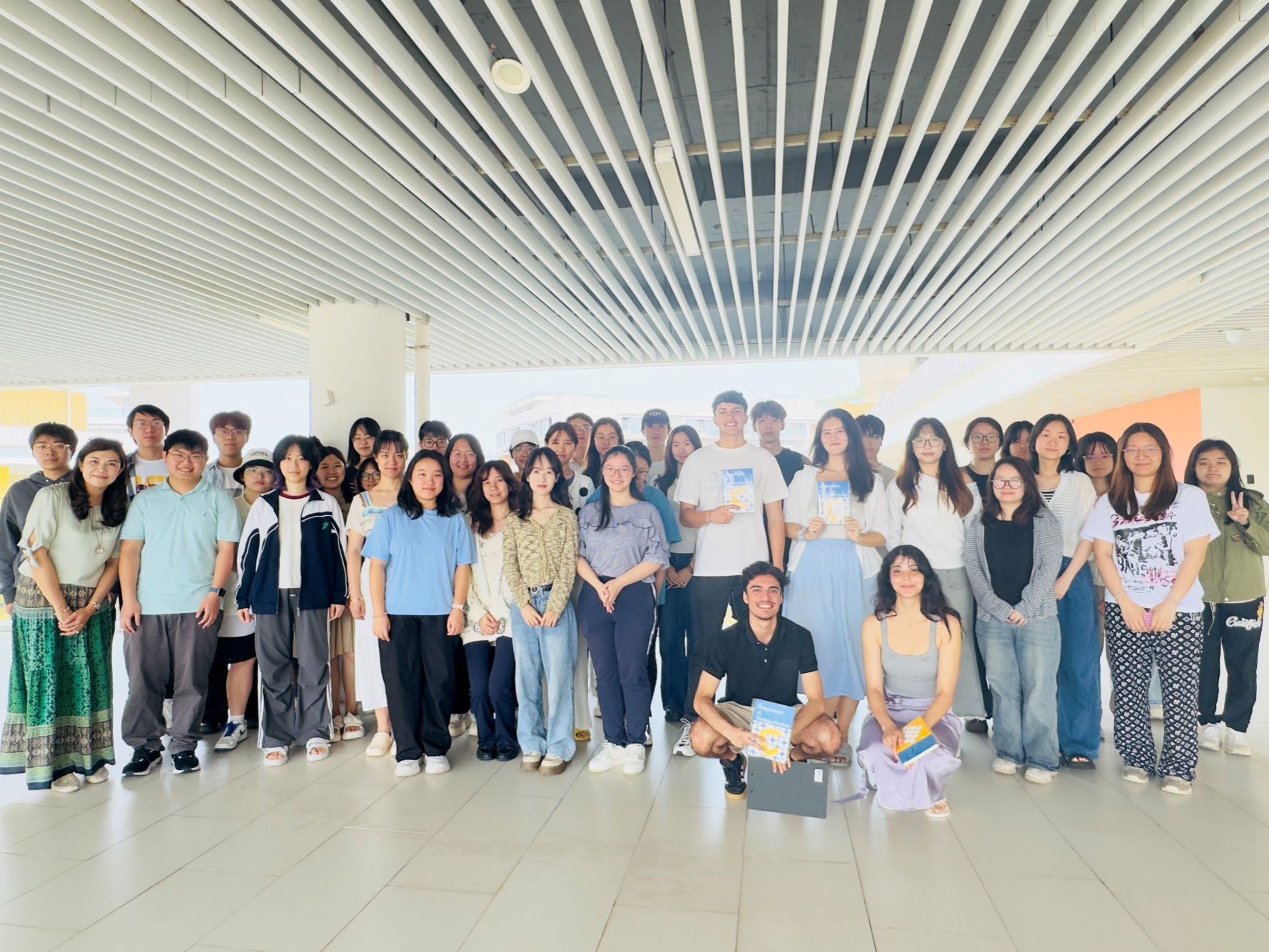
Figure 6: A group photo.
Special Thanks:
Alan Martinez Maldonado, Juan Rengifo, Julia Miyagawa Braga, and Zahra Benmeka.
Author: Wei Chin Wong
Editor: Connie Li
Photographer: Connie Li
©2024-2025 Beijing Normal-Hong Kong Baptist University(BNBU).All Rights Reserved.粤ICP备07509519号粤公网安备44049102496044.
