
On April 17, the Research Center for History and Culture (RCHC) at BNBU hosted a lecture titled “A Beautiful Life Begins from the Heart: Reflections on Life from the Perspective of Chinese Classical Learning.” The event featured Professor Deng Xinwen from Hangzhou Normal University, whose research focuses on Confucianism, Buddhism, and Daoism in Chinese intellectual traditions.
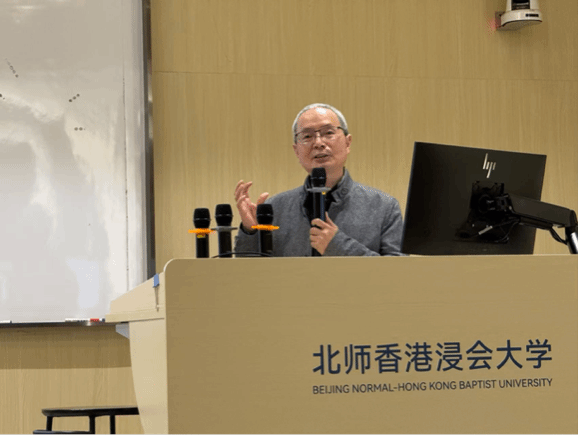
The lecture attracted faculty members and students interested in Chinese philosophy, self-cultivation, and traditional culture. Through a combination of classical thought, personal reflection, and everyday examples, Professor Deng explored how traditional Chinese learning can offer insight into modern life and the pursuit of happiness.
Professor Deng began by discussing the meaning of a “beautiful life.” Rather than defining happiness through material success, he emphasized the importance of inner peace, self-awareness, and personal cultivation. Drawing on ideas from the Confucian tradition, he encouraged the audience to reflect on how people today are often overwhelmed by external pressures, competition, and desire, gradually losing touch with their inner selves.
He then turned to the question of why a beautiful life must begin “from the heart.” Using examples from Chinese philosophy and literature — including Journey to the West — Professor Deng explained how traditional Chinese thinkers viewed the heart-mind as the foundation of moral growth and spiritual clarity. He suggested that genuine happiness comes not from external achievement, but from maintaining sincerity, calmness, and self-reflection in everyday life.
A major focus of the lecture was the practice of self-cultivation in the Confucian tradition. Professor Deng introduced several classical approaches to cultivating the mind and character, including self-discipline, daily self-examination, moral awareness, and continuous self-improvement. He connected these traditional ideas to contemporary life, encouraging students to develop patience, responsibility, and inner stability amid the pressures of modern society.
The lecture also explored the cultural meaning of ritual propriety in Chinese tradition. Professor Deng explained that rituals are not merely formal rules, but expressions of respect, empathy, and social responsibility that shape human relationships and everyday conduct.
During the tea break arranged by the organizers, students and faculty members continued discussing the lecture in a relaxed and friendly atmosphere.
In the closing section, Professor Deng shared personal reflections on the influence of his mother and the importance of kindness, gratitude, and care for others. His sincere and emotional remarks resonated deeply with the audience and brought the themes of the lecture back to ordinary human experience.
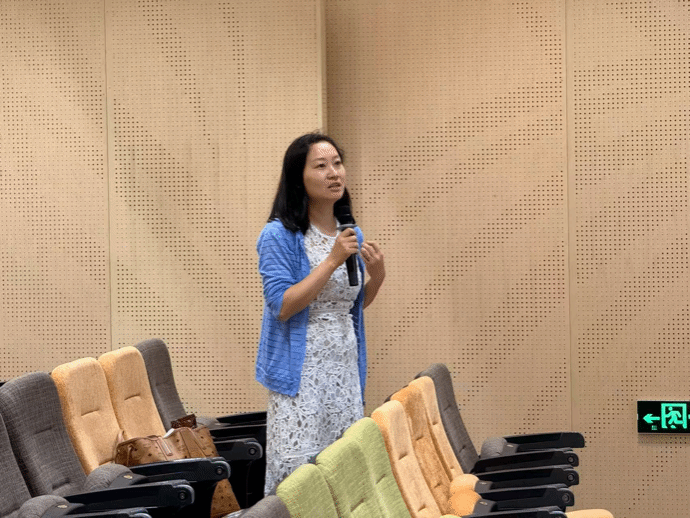
The Q&A session that followed was lively and engaging. Students raised questions about personal growth, life choices, emotional challenges, and the role of classical learning in modern society. Professor Deng responded thoughtfully to each question, combining philosophical insight with practical advice.
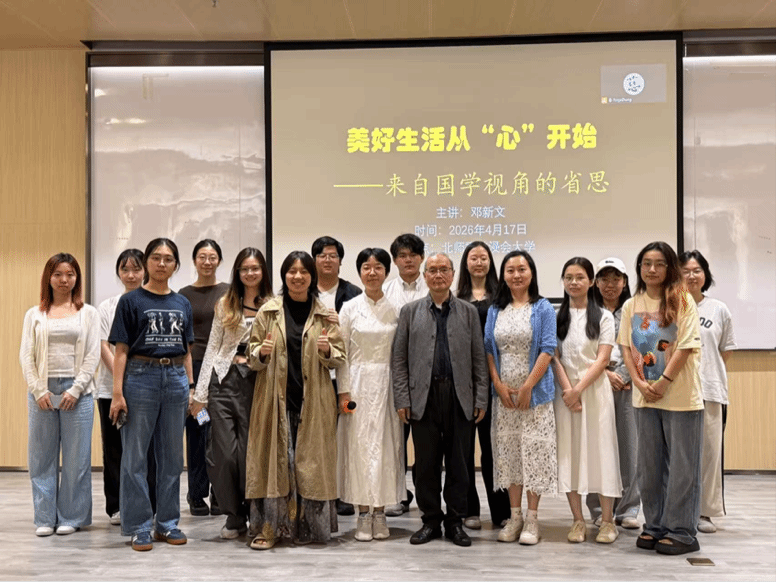
The lecture was both accessible and thought-provoking, offering participants an opportunity to engage with the wisdom of Chinese classical culture in a meaningful and contemporary way. The Research Center for History and Culture (RCHC) expressed its appreciation to Professor Deng for the inspiring lecture and looks forward to hosting more events that encourage dialogue between traditional culture and modern life.
Author: Yuhan MA
Editor: Peici ZHANG
©2024-2025 Beijing Normal-Hong Kong Baptist University(BNBU).All Rights Reserved.粤ICP备07509519号粤公网安备44049102496044.
