On October 9, 2026, the Department of Language and Culture held the third lecture in the interdisciplinary digital‑humanities lecture series, titled From Bullet Comments to ReelShort: Language, Technology and Multimodal Creativity on Chinese Social Media. Associate Professor Wu Xiaoping from the Department of Language and Culture was the guest speaker. Many teachers and students attended the event to discuss how language, technology and creative expression connect in digital settings.
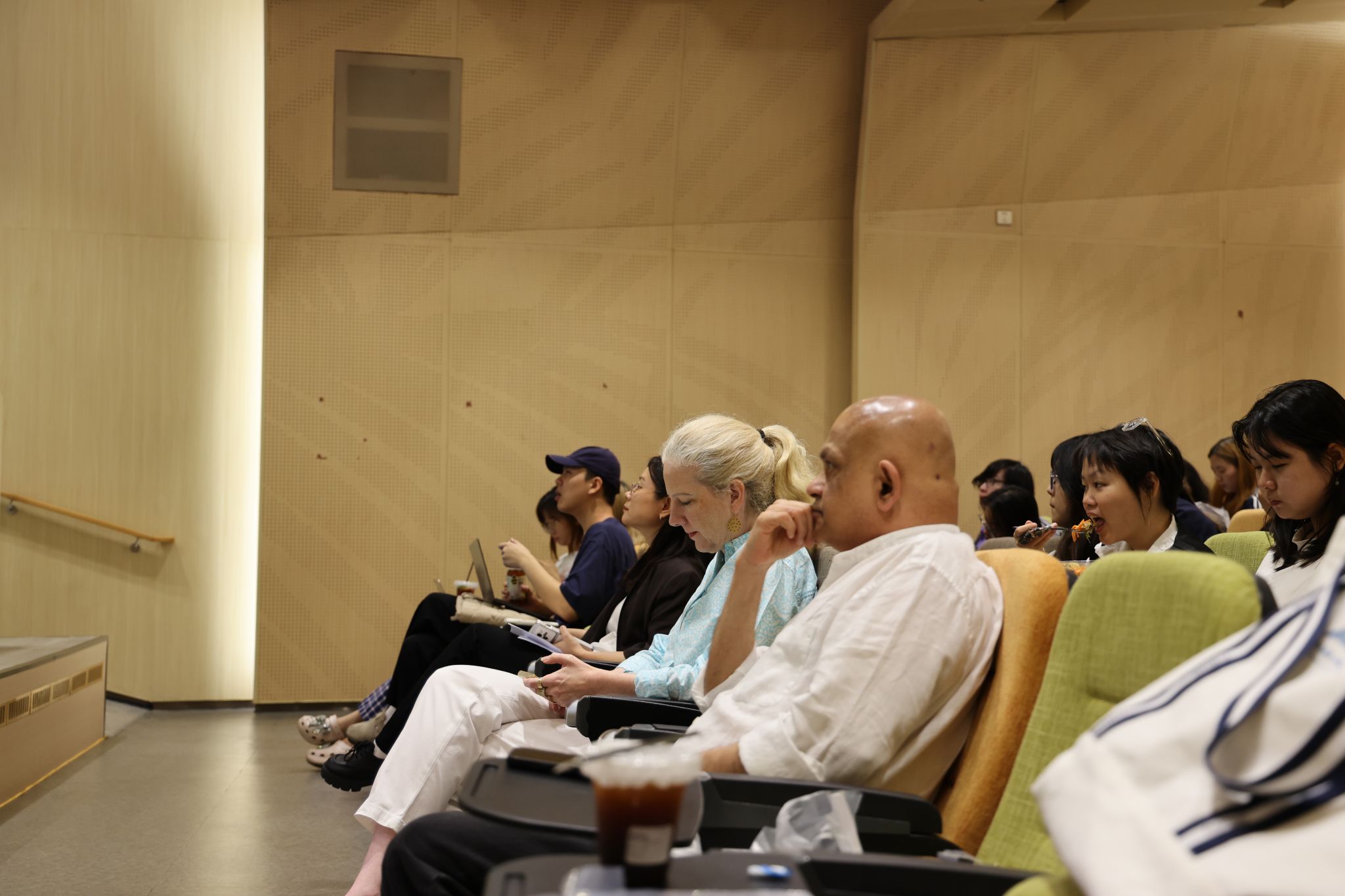
(Many teachers and students attended the lecture)
Focusing on how people create meaning in China’s digital world, the lecture reviewed the development from bullet‑comment interactive culture to algorithm‑driven storytelling on the AI‑powered ReelShort platform. Drawing on (social) media discourse analysis and critical multimodal discourse analysis, Dr. Wu pointed out that interaction goes far beyond written words. It brings together gestures, pictures, sounds, colours, layout and other communication resources to build a complete multimodal symbol system.
Using real‑life examples from Chinese social platforms and official public communication materials, the lecture showed that easy‑to‑understand multimodal messages rooted in local culture can shorten the distance between public communication and ordinary people. This helps the public better accept and follow social norms.
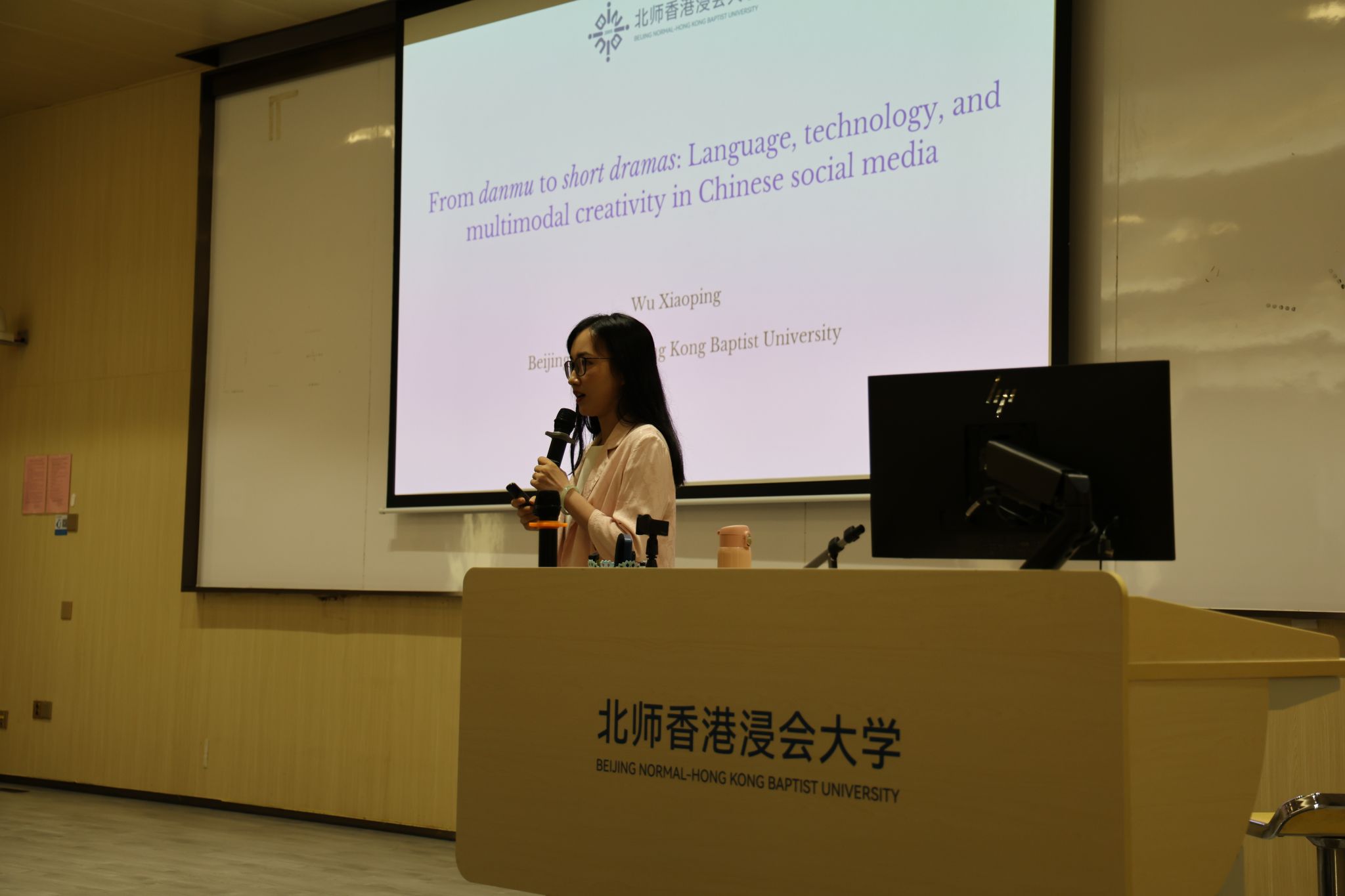
(Dr. Wu giving the speech on stage)
Dr. Wu then took ReelShort as a key research case. She talked about how AI supports mass‑produced short drama production. AI can help write and translate scripts, adapt content for local audiences, create promotional texts and generate visual effects. This forms a human‑machine workflow: AI does the early‑stage production, while people polish the work in detail.
She also raised important open research questions for digital humanities. With AI and multiple creators working together, traditional rules for deciding copyright and the cultural nature of adapted works are changing.
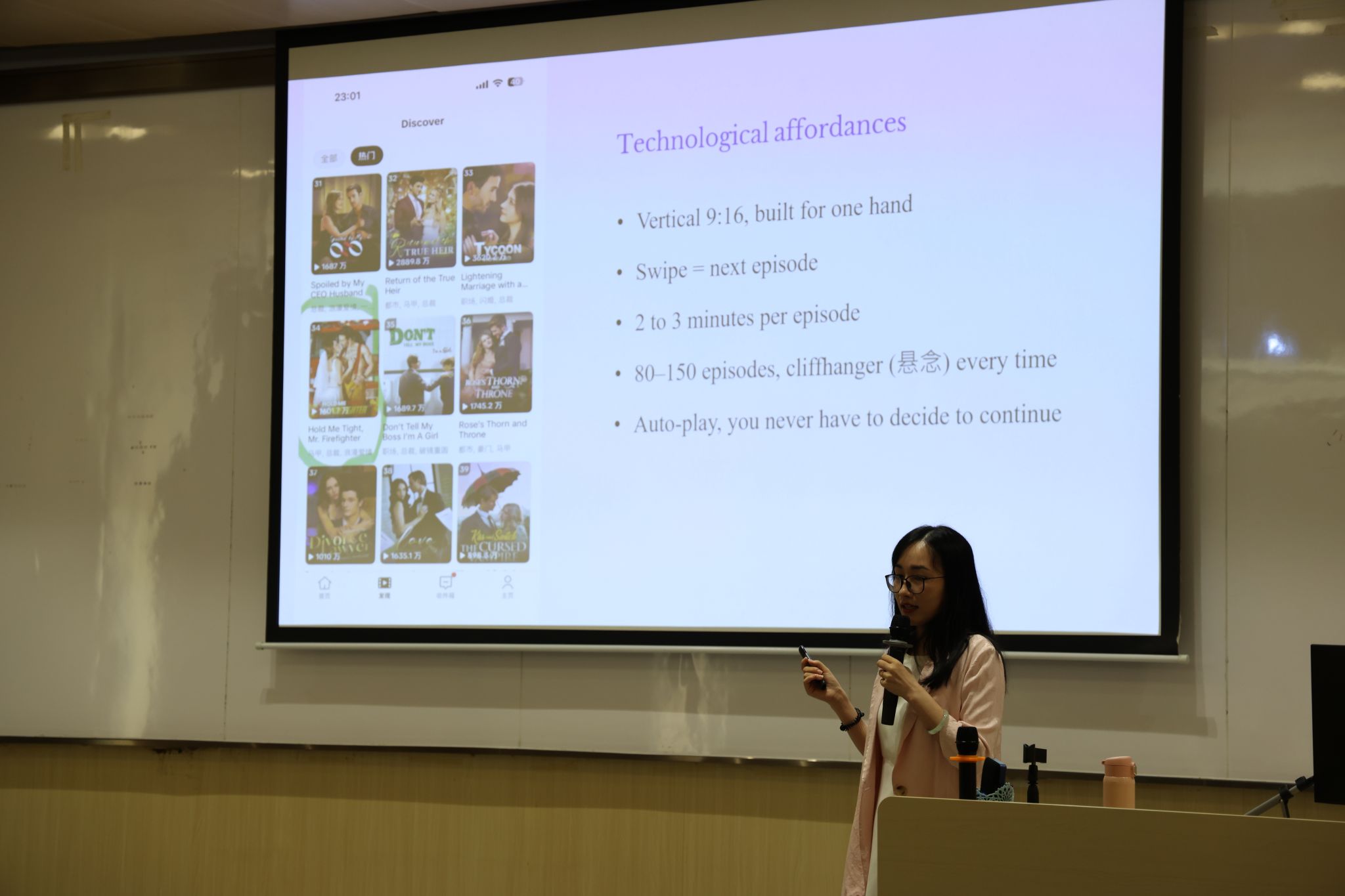
(Dr. Wu sharing ideas on technological affordances)
In the second half of the lecture, Dr. Wu outlined research paths for interdisciplinary digital humanities. Researchers may use multimodal studies to design research questions about communicators, information flow and human‑AI co‑creation. They can combine theories from linguistics, media studies, computer science and other subjects for analysis.
The report stressed that platform technology shapes how people tell stories and communicate. Within the mixed symbolic environment of Chinese social media, audiences, internet users and artificial intelligence all act as co‑creators. Together they bring new forms of participatory expression. After the talk, the audience took part in an active Q&A session with Dr. Wu.
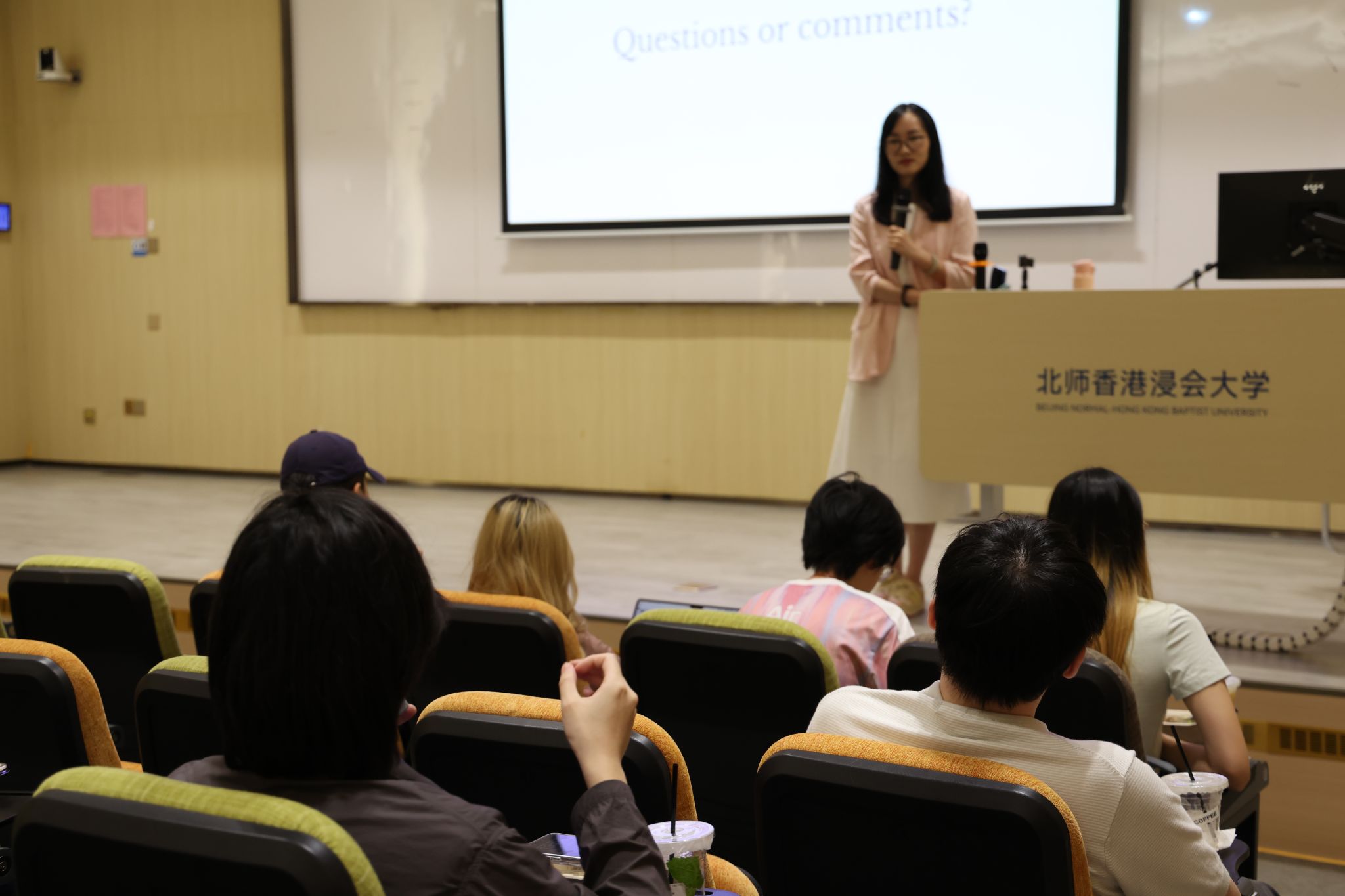
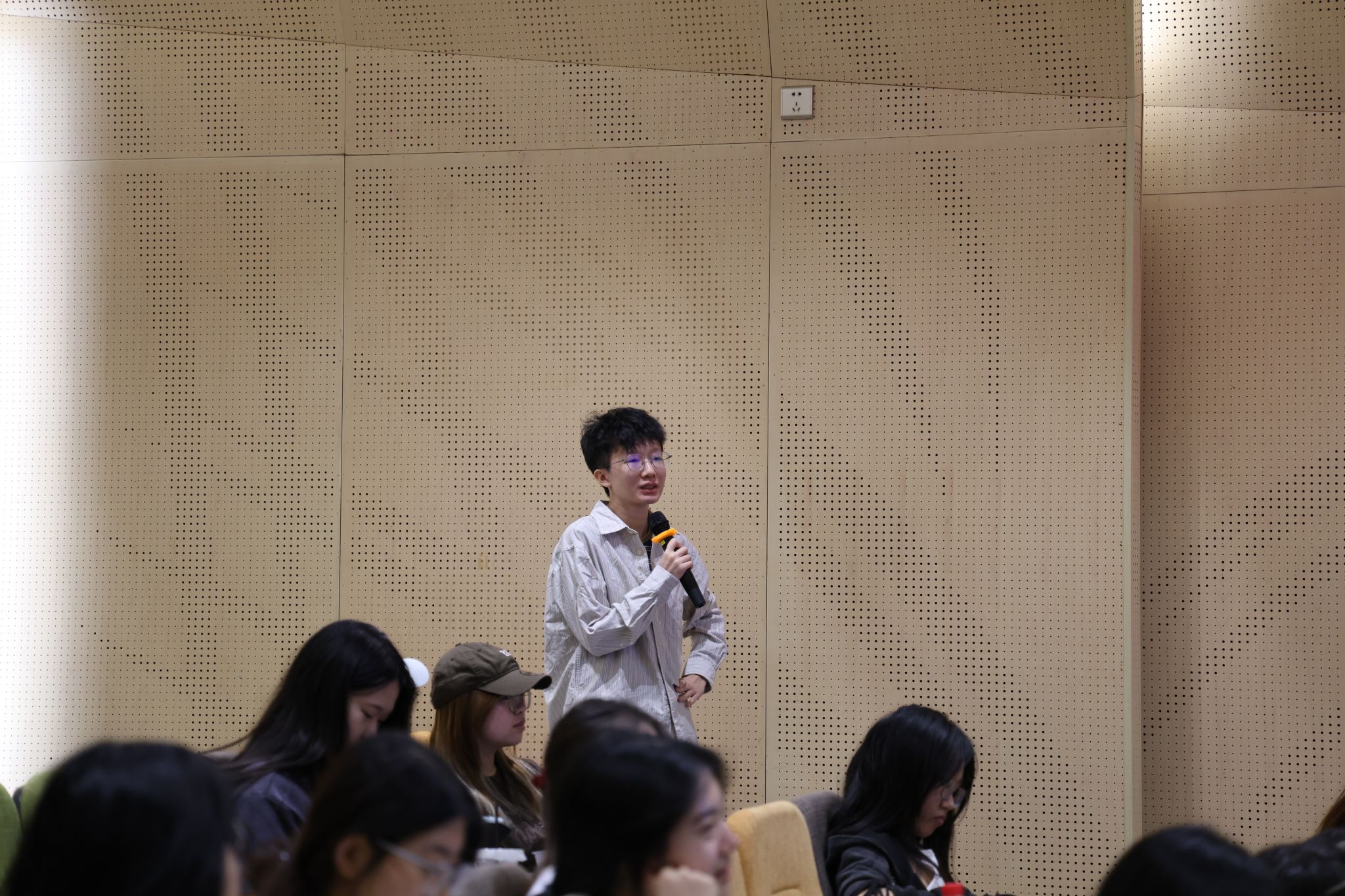
(Dr. Wu answering questions from the audience)
This lecture encouraged teachers and students to think about language innovation and human‑AI joint creation in the digital age. It offered new perspectives for studies on digital humanities, social‑media discourse and cross‑cultural communication.
Written by: Shi Jinyi
Photos by: Shi Jinyi
Revised by: Xu Xi
©2024-2025 Beijing Normal-Hong Kong Baptist University(BNBU). All Rights Reserved.粤ICP备07509519号粤公网安备44049102496044.