ICTE 2026 Concludes Successfully at BNBU, Advancing Dialogue on Translation and Intercultural Communication in the Digital Age
More than 150 participants discuss how to combine technological innovation with human judgement and cultural understanding.
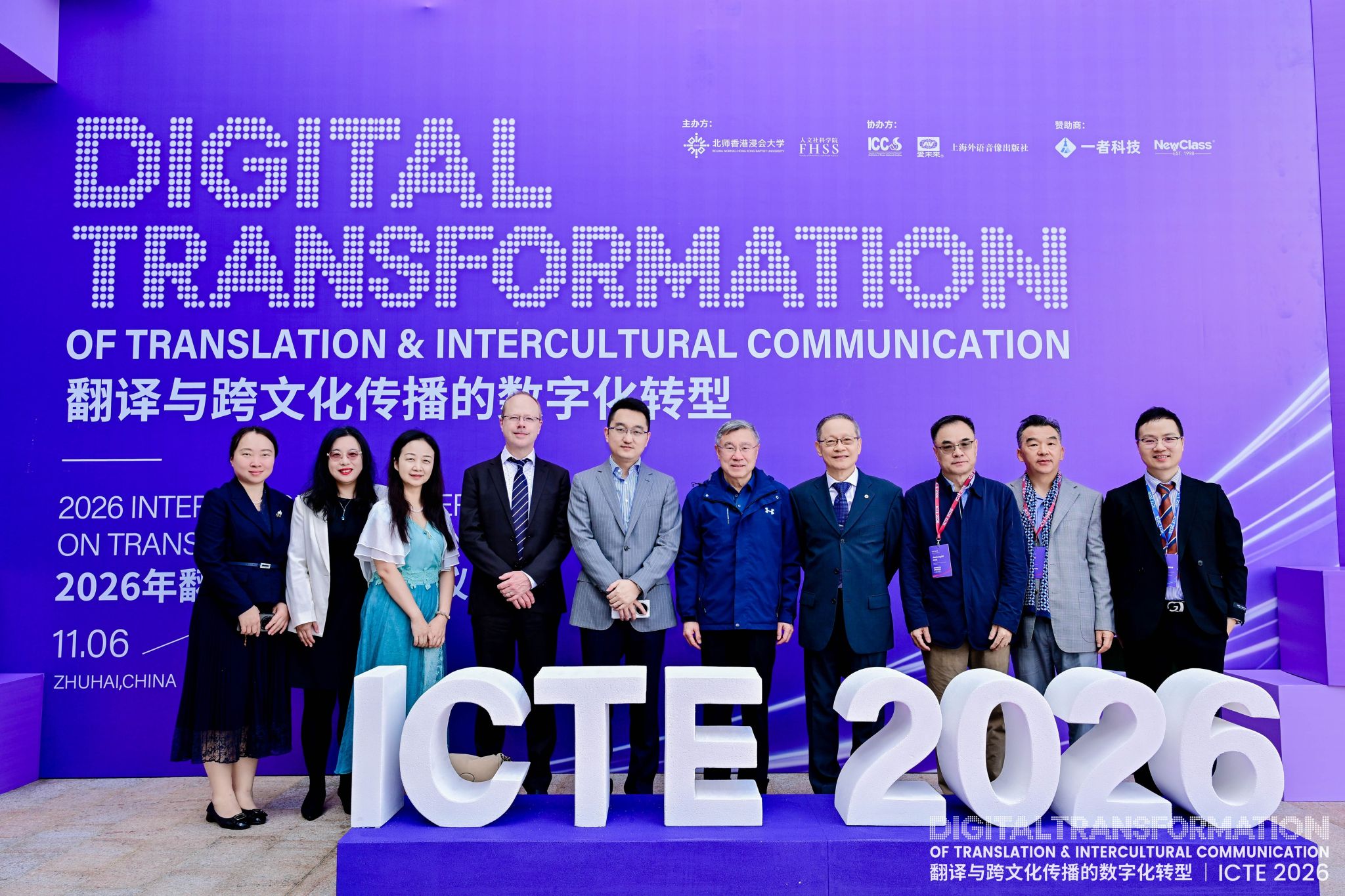
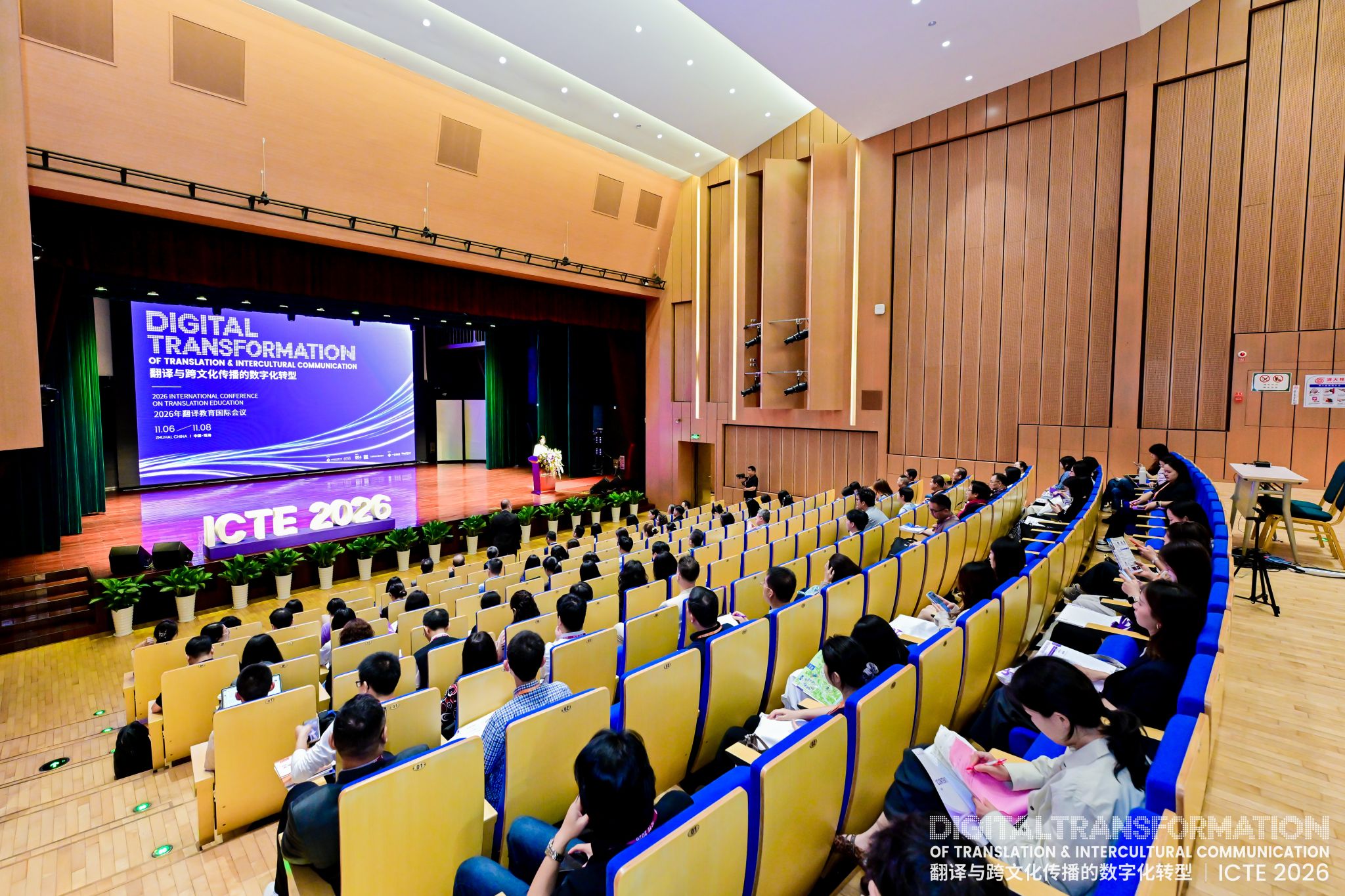
ZHUHAI, China, 11 November 2026 — More than 150 scholars, educators, students and language professionals gathered at Beijing Normal-Hong Kong Baptist University (BNBU) from 6 to 8 November to examine how translation education can respond to artificial intelligence while preserving the human judgement and cultural understanding on which the profession depends.
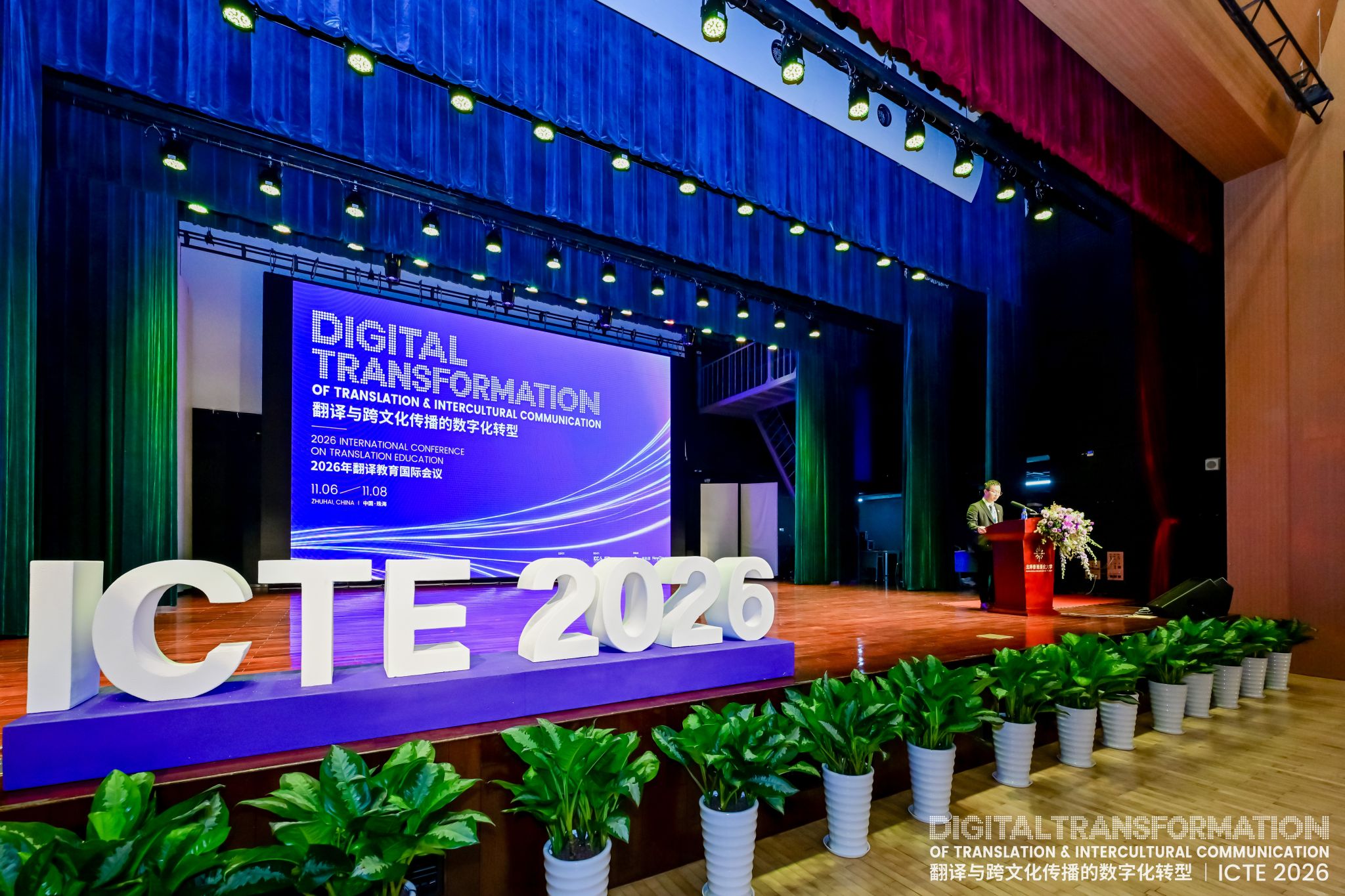
Hosted by BNBU’s Faculty of Humanities and Social Sciences (FHSS), the 2026 International Conference on Translation Education (ICTE 2026) focused on the theme ‘Digital Transformation of Translation and Intercultural Communication’. Its programme brought together keynote speeches, parallel session presentations, technology workshops, roundtable discussion, academic poster exhibition, and industry exchanges.
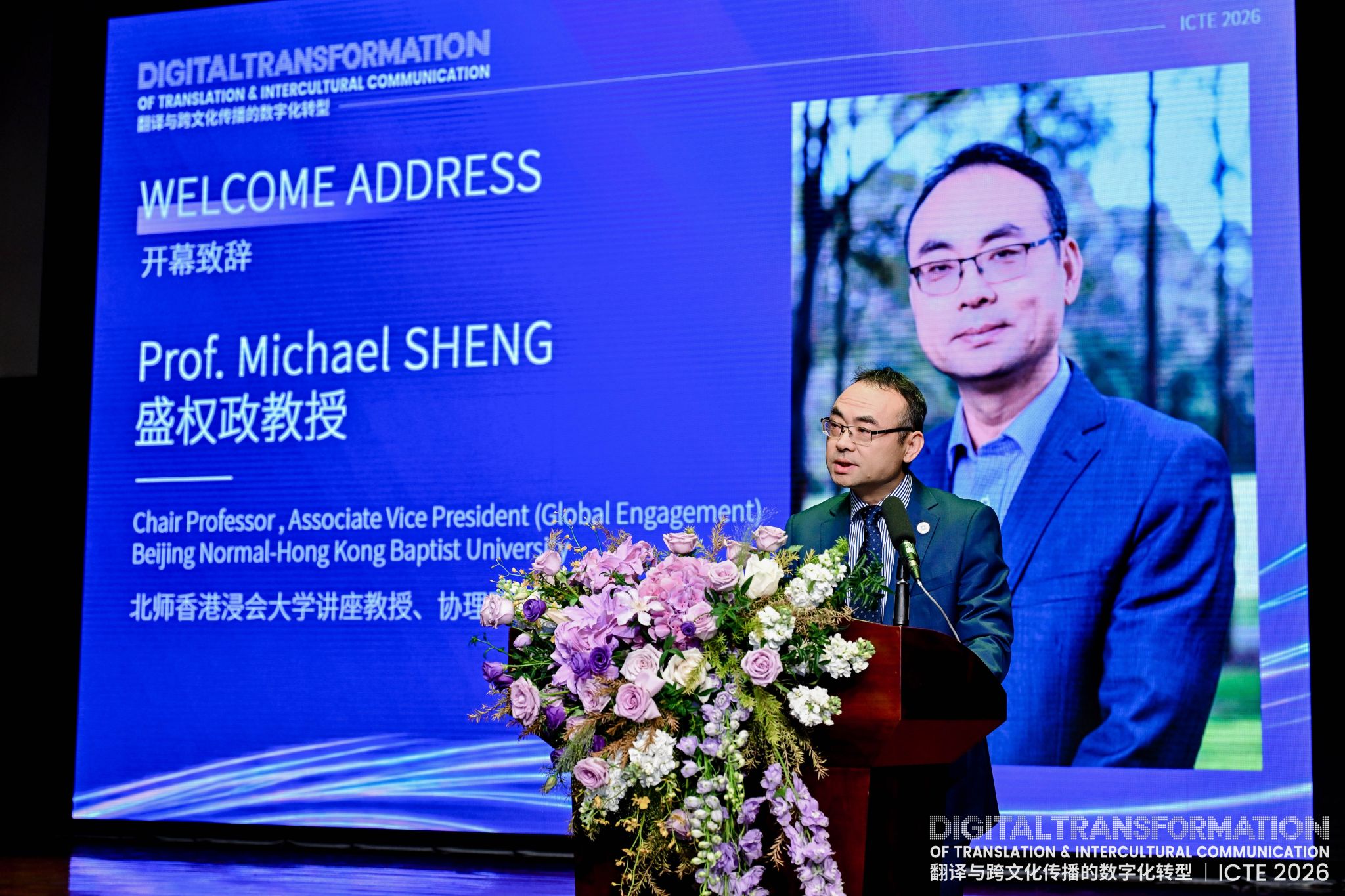
Welcoming participants at the opening ceremony on 7 November, Professor Michael Sheng, BNBU’s Associate Vice President for Global Engagement, called for closer collaboration across disciplines, institutions and sectors. Drawing on his background in computer science, he emphasised that ‘the most consequential advances emerge when technical innovation is guided by humanistic insight’.
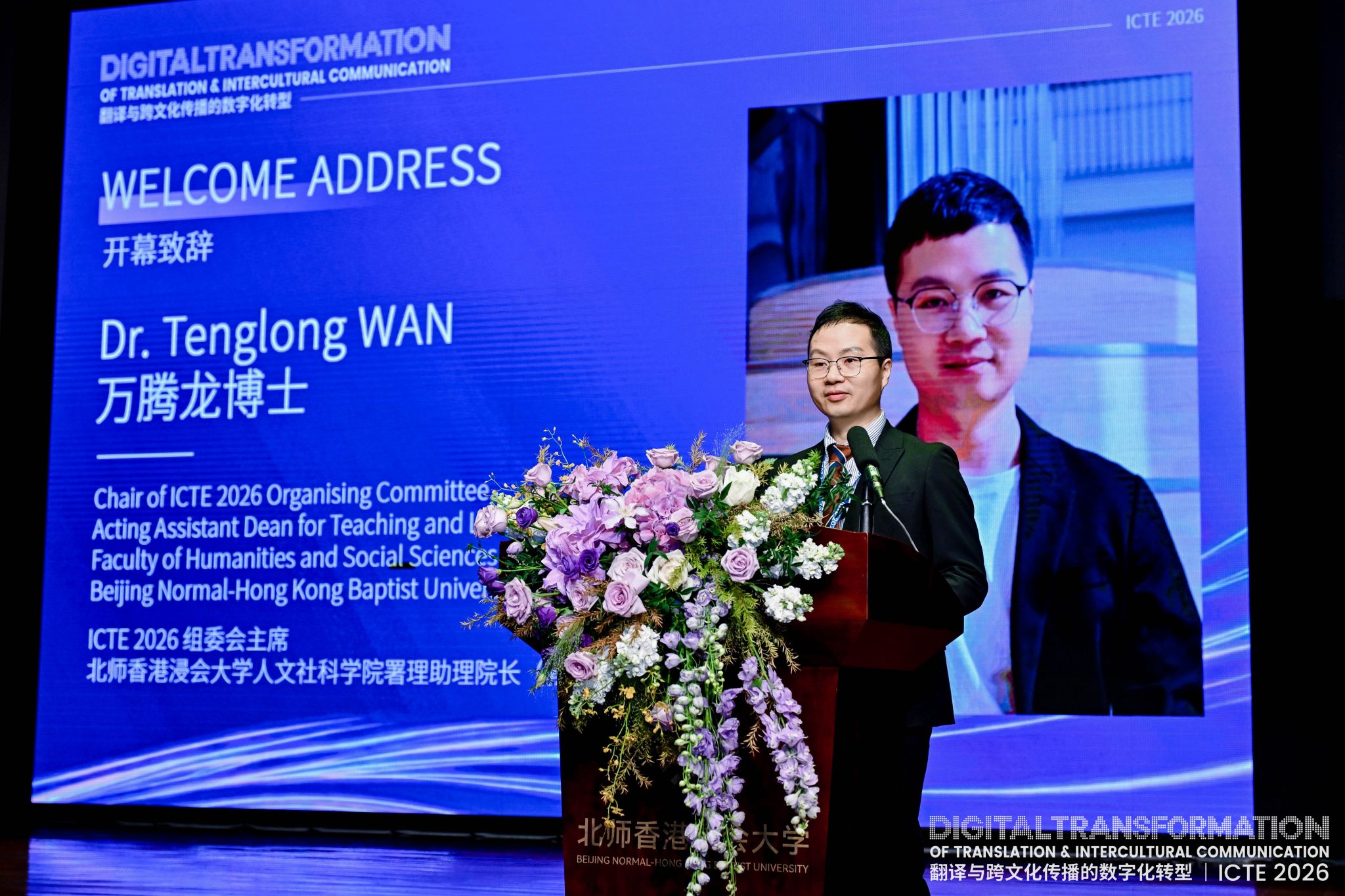
Dr Tenglong Wan, Chair of the Organising Committee and Acting Assistant Dean for Teaching and Learning of FHSS, described digital transformation as a change extending beyond classroom tools to curricula, assessment and professional identity. He also highlighted the Faculty’s launch of an undergraduate programme in Digital Intercultural Studies, linking the study of culture and intercultural communication with digital technologies.
Human-centred education in the AI era
Six engaging keynote speeches drew on digital humanities, curriculum reform, situated learning, knowledge transfer and professional practice to explore how translation goes beyond language transfer to facilitate the circulation of knowledge, connect cultures and drive social and institutional change.
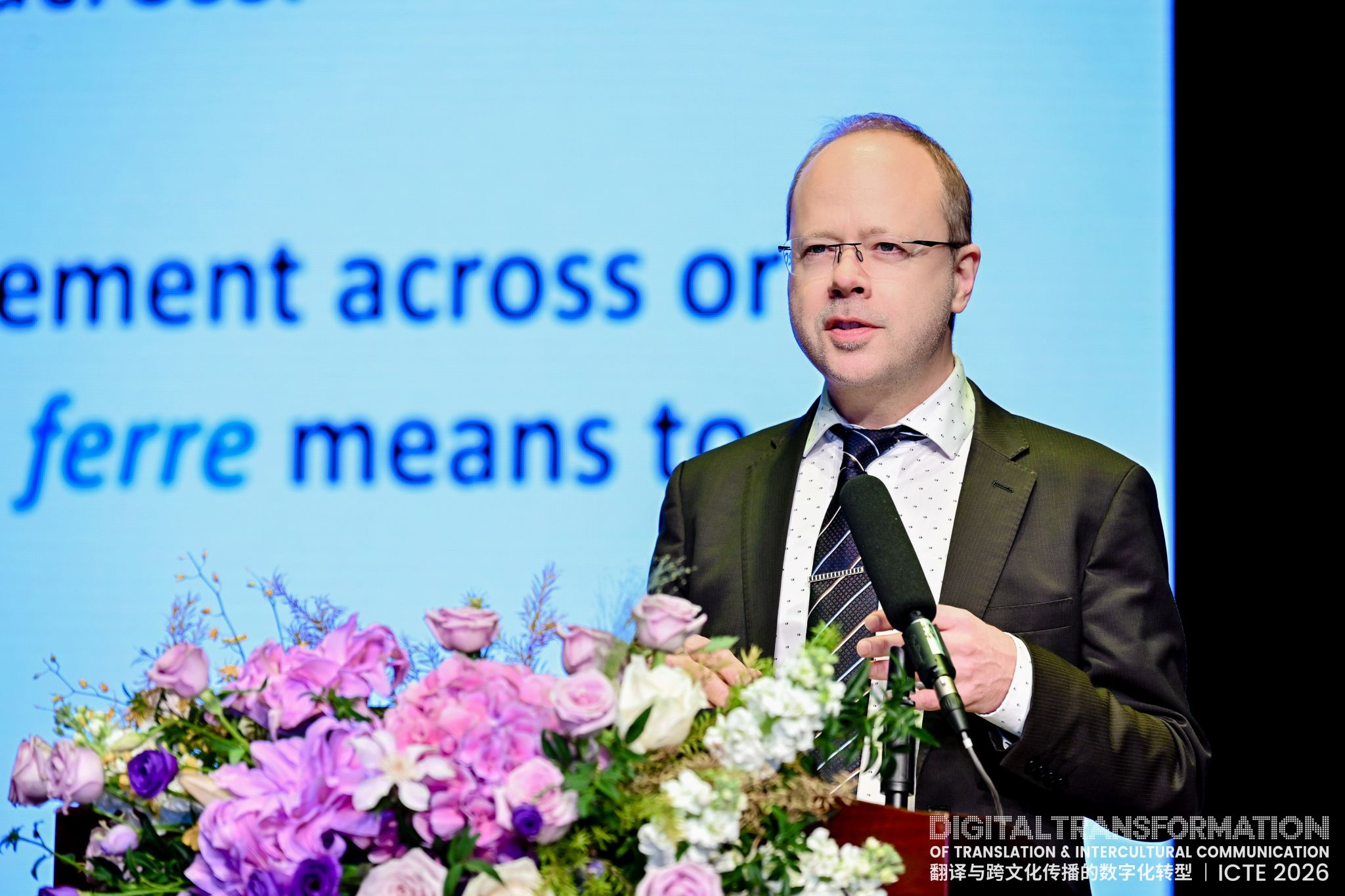
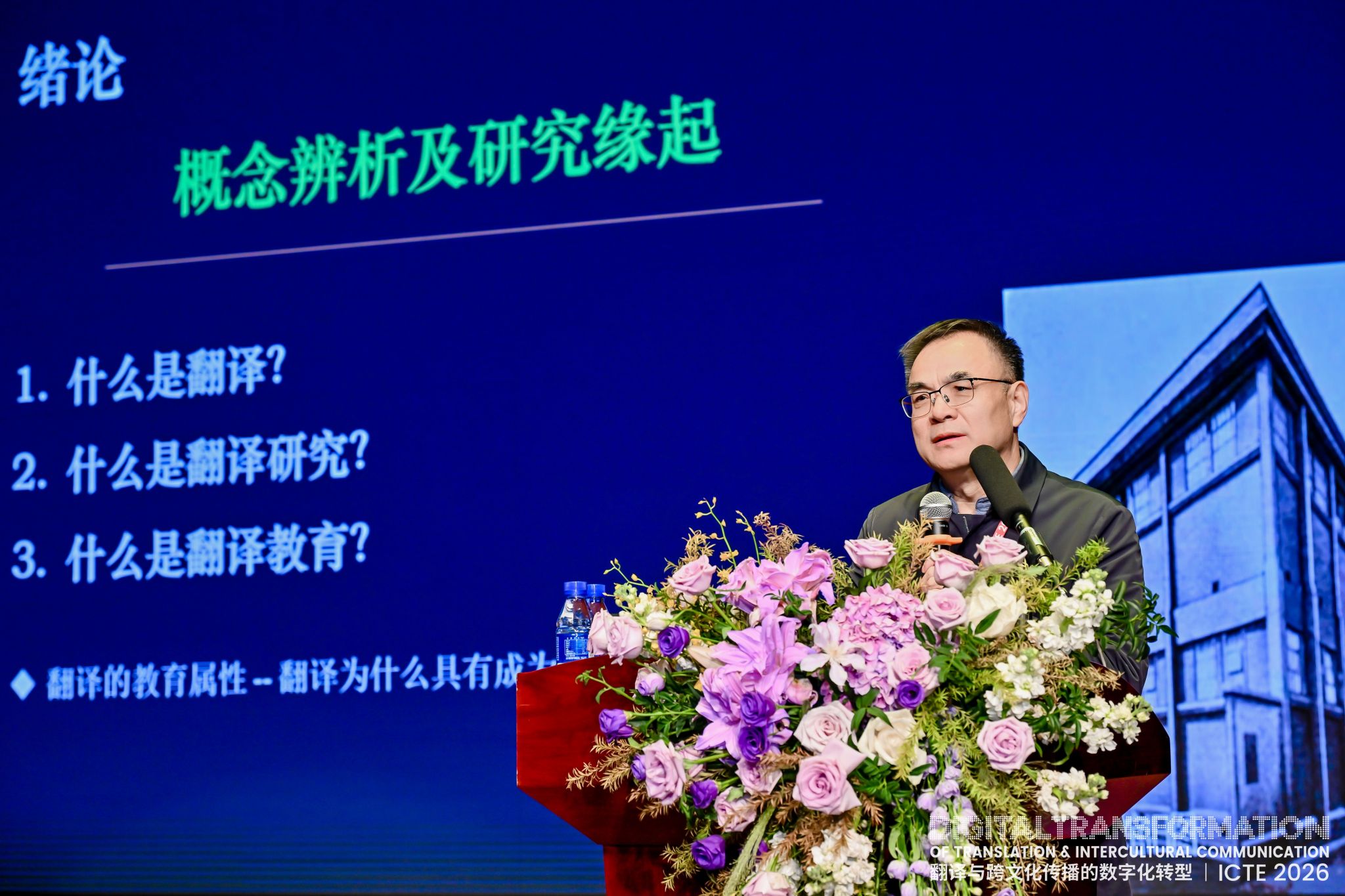
Professor Paul Arthur of Edith Cowan University, Australia, examined translation’s role in shaping contemporary digital culture. He argued that translation is not confined to movement between languages, but also offers a powerful lens through which to understand how ideas, knowledge and experience cross boundaries, circulate and are reconfigured in increasingly interconnected digital environments. Taking a broad perspective on translation education, Professor Jiasheng Hu of Shanghai International Studies University proposed a conceptual framework of translation as a ‘mechanism of civilisational transformation’. He characterised translation as an information interface and a process of re-encoding through which resources from other civilisations enter local systems of language, knowledge and institutions. His presentation illuminated the connections between knowledge transfer, concept formation and institutional change over long periods of interaction among civilisations.
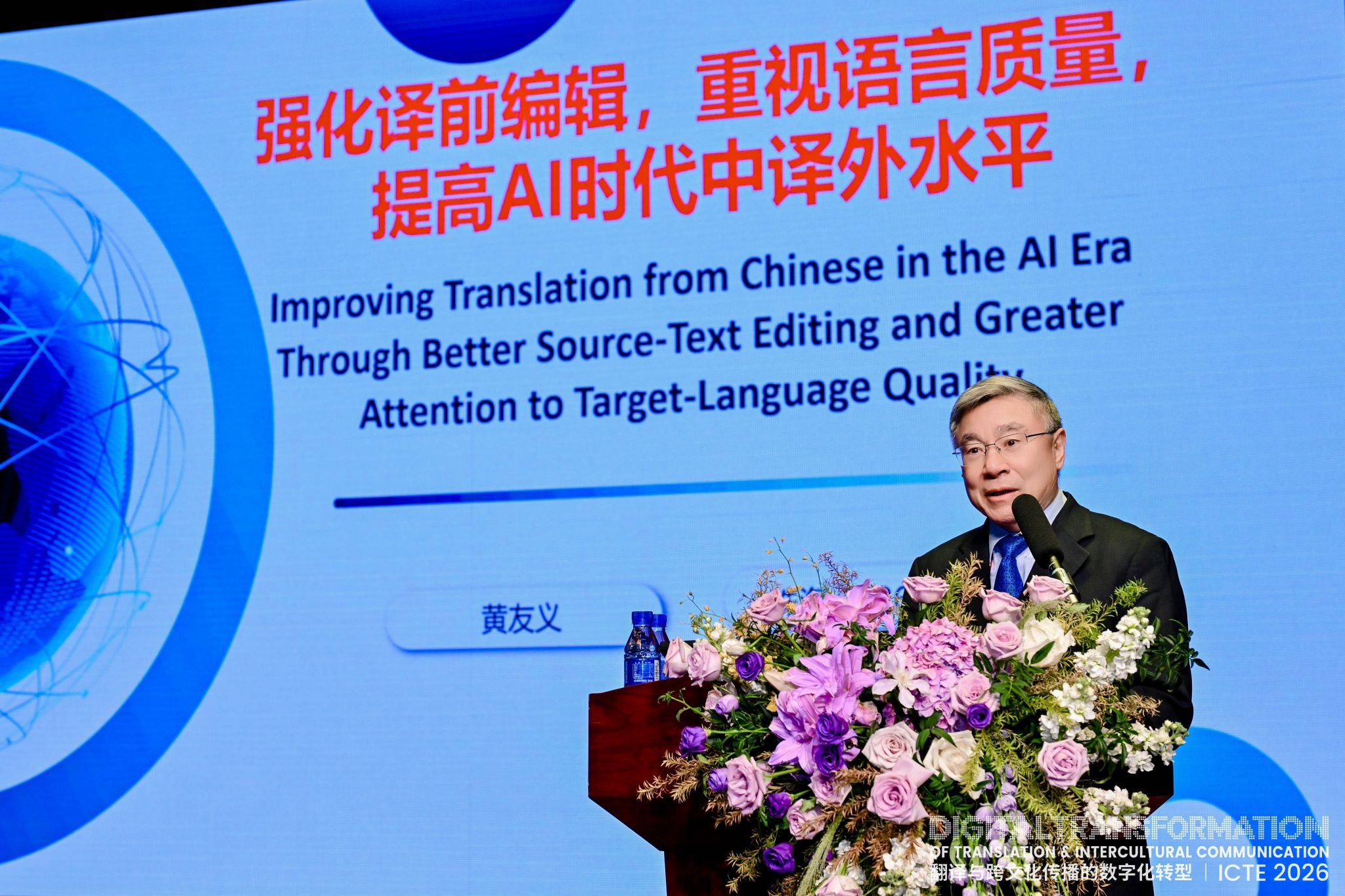
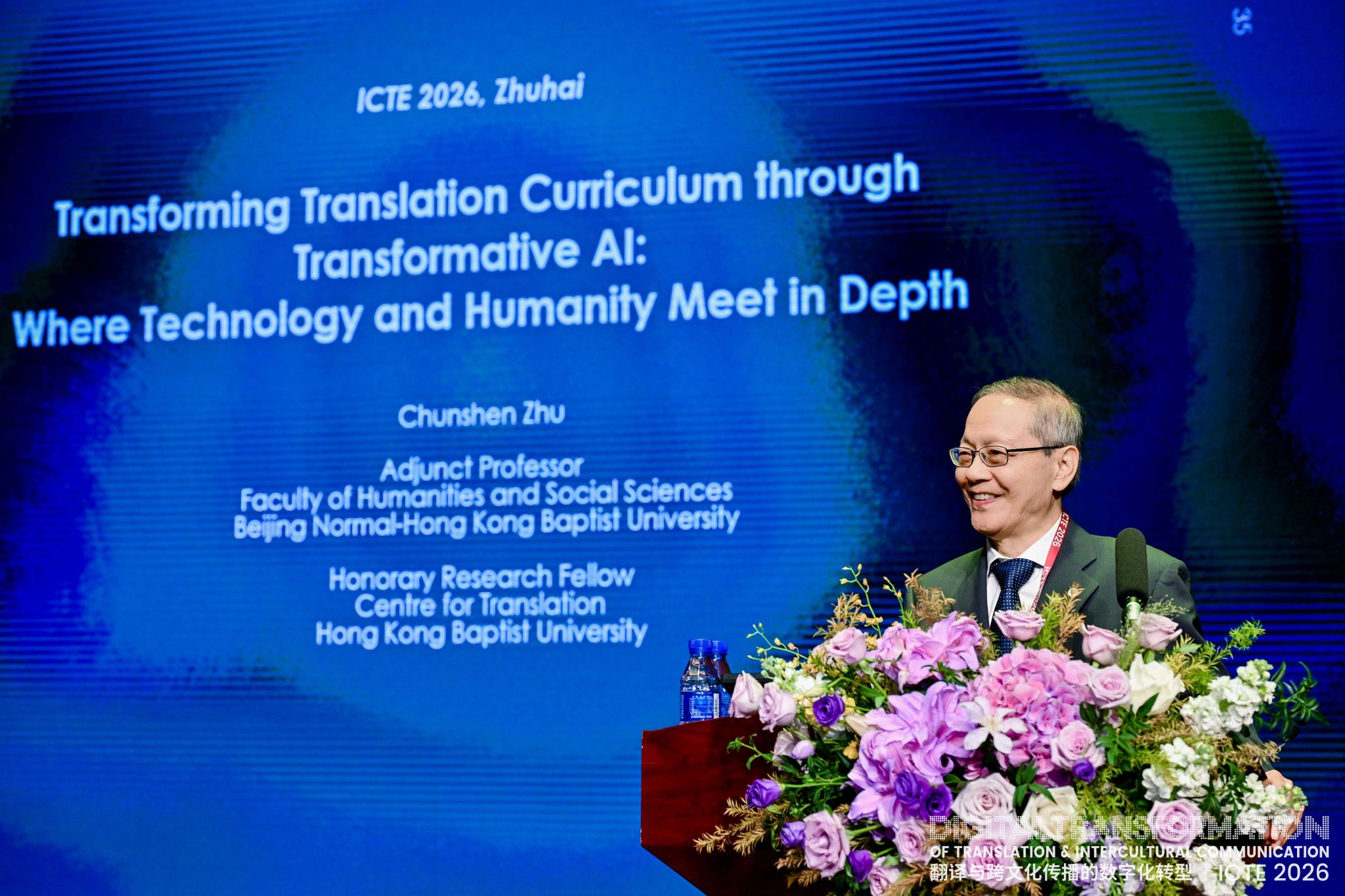
A central concern across the keynotes was how AI can enhance teaching and translation practice while preserving human judgement and responsibility. Youyi Huang, Executive Vice President of the Translators Association of China, emphasised that source-text comprehension, cultural sensitivity and audience awareness, together with rigorous pre-editing and post-editing, remain essential to translation quality. Addressing curriculum reform, Professor Chunshen Zhu, Adjunct Professor at Beijing Normal-Hong Kong Baptist University, proposed integrating AI-assisted practice with linguistic and literary analysis and theoretical learning, encouraging students to reflect critically on the approaches to—and boundaries of—human–machine collaboration.
Professor Jun Pan of Hong Kong Baptist University extended the discussion beyond the classroom to situated learning, community service and entrepreneurship. She argued that service-learning in translation does more than develop practical skills: it also constitutes a reflective practice that responds to technological change while sustaining human agency. Professor Dechao Li of The Hong Kong Polytechnic University examined the linguistic features, computational characteristics and social implications of generative AI-assisted translation, drawing on experimental research to investigate students’ performance when using AI to translate different text types.
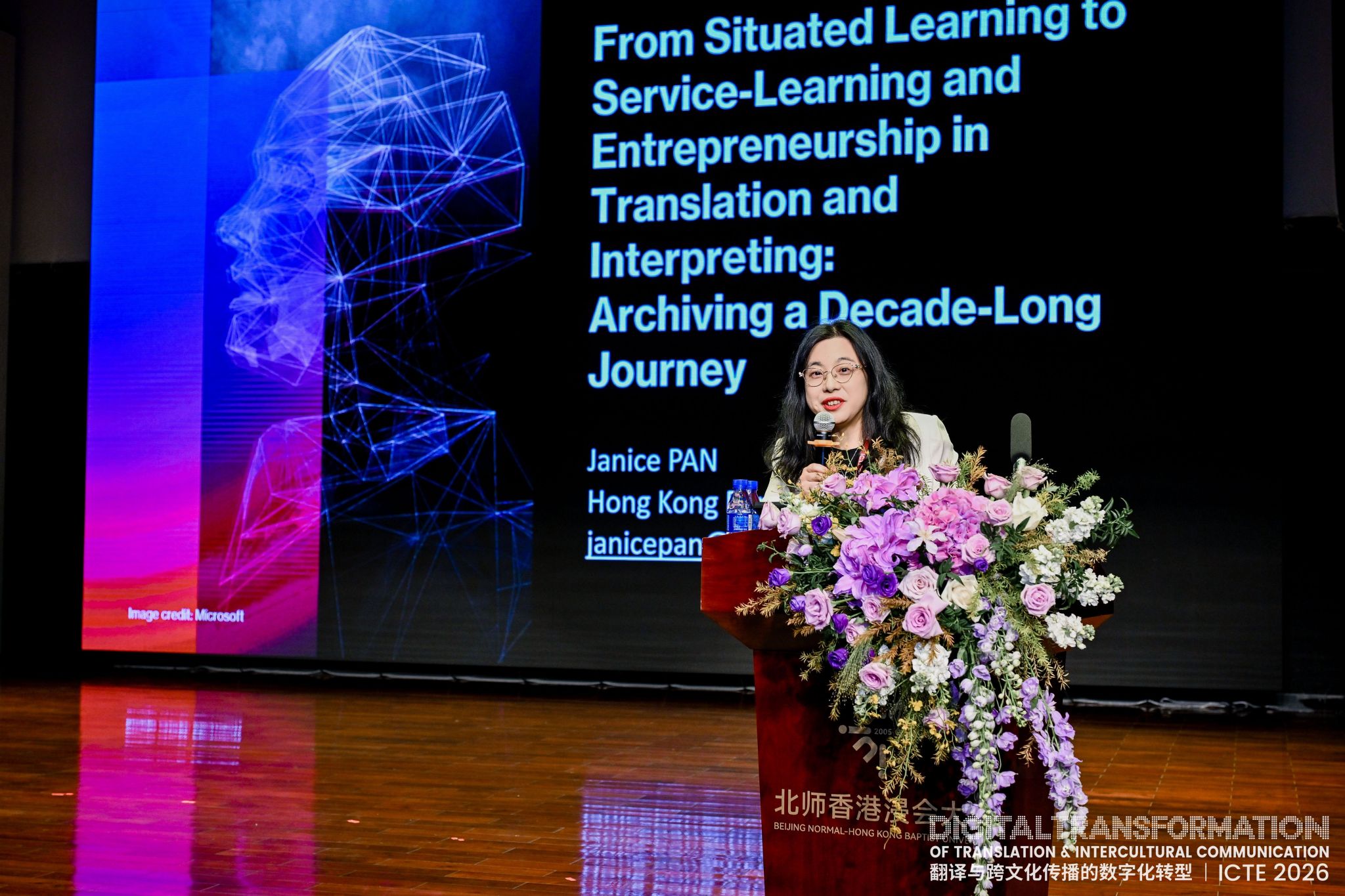
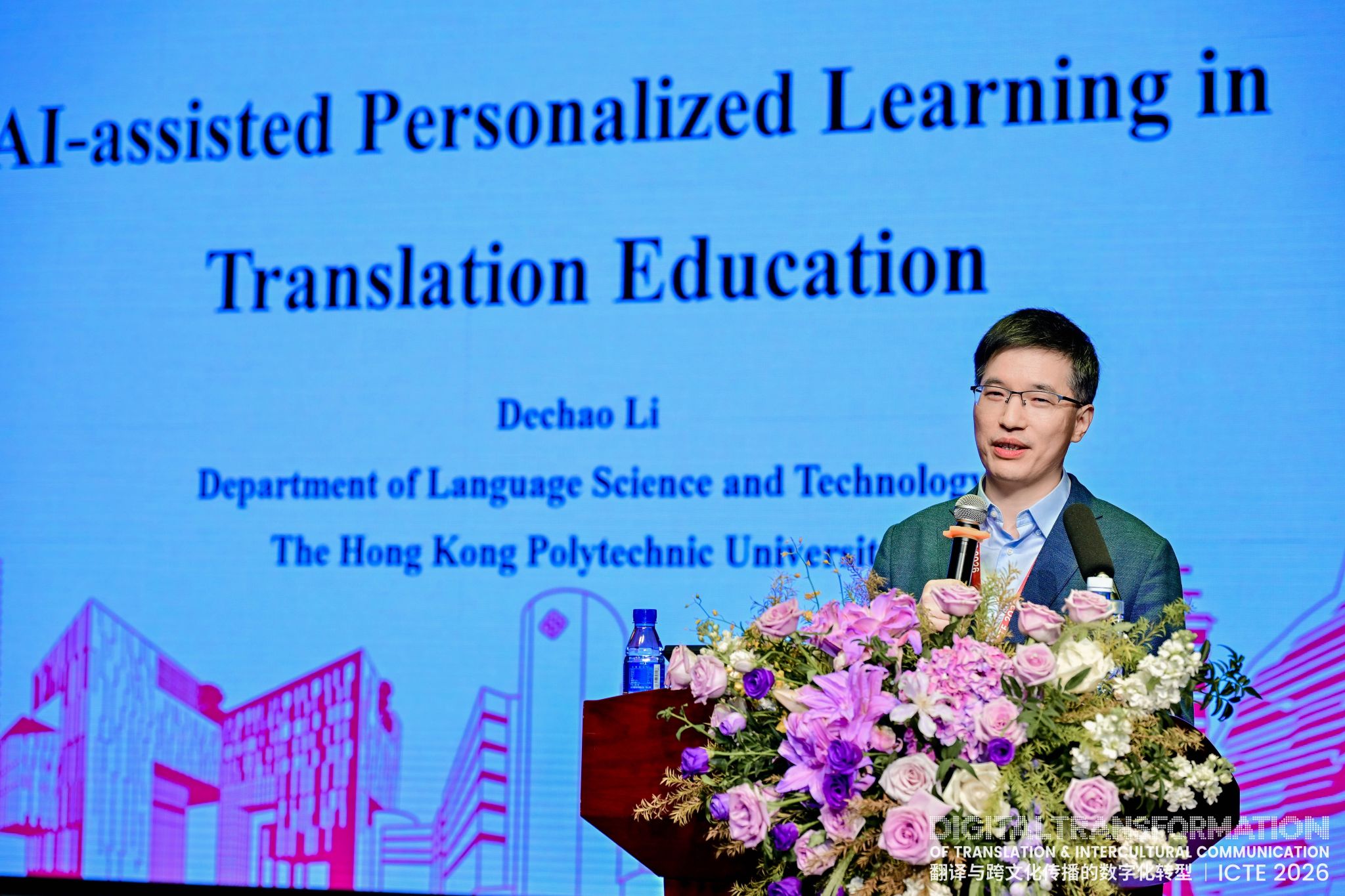
Together, these contributions pointed to an educational goal that extends beyond proficiency with tools: equipping students to evaluate technology critically, make informed judgements and respond to real-world professional and social needs.
Two technology workshops focused on AI-enabled translation management and digital teaching resources. Using YiCAT Agent as a case study, Jingyi Yang, Director of Operations at Shanghai Yizhe Info Tech Co., Ltd., explored how AI agents can be integrated into professional translation workflows by drawing on the project environments and technical capabilities of translation management platforms. Shanghai Foreign Language Audiovisual Publishing House brought together university teachers, course leaders, specialists in digital textbook and smart course development, and teaching administrators to discuss innovative applications of digital textbooks and intelligent teaching technologies.
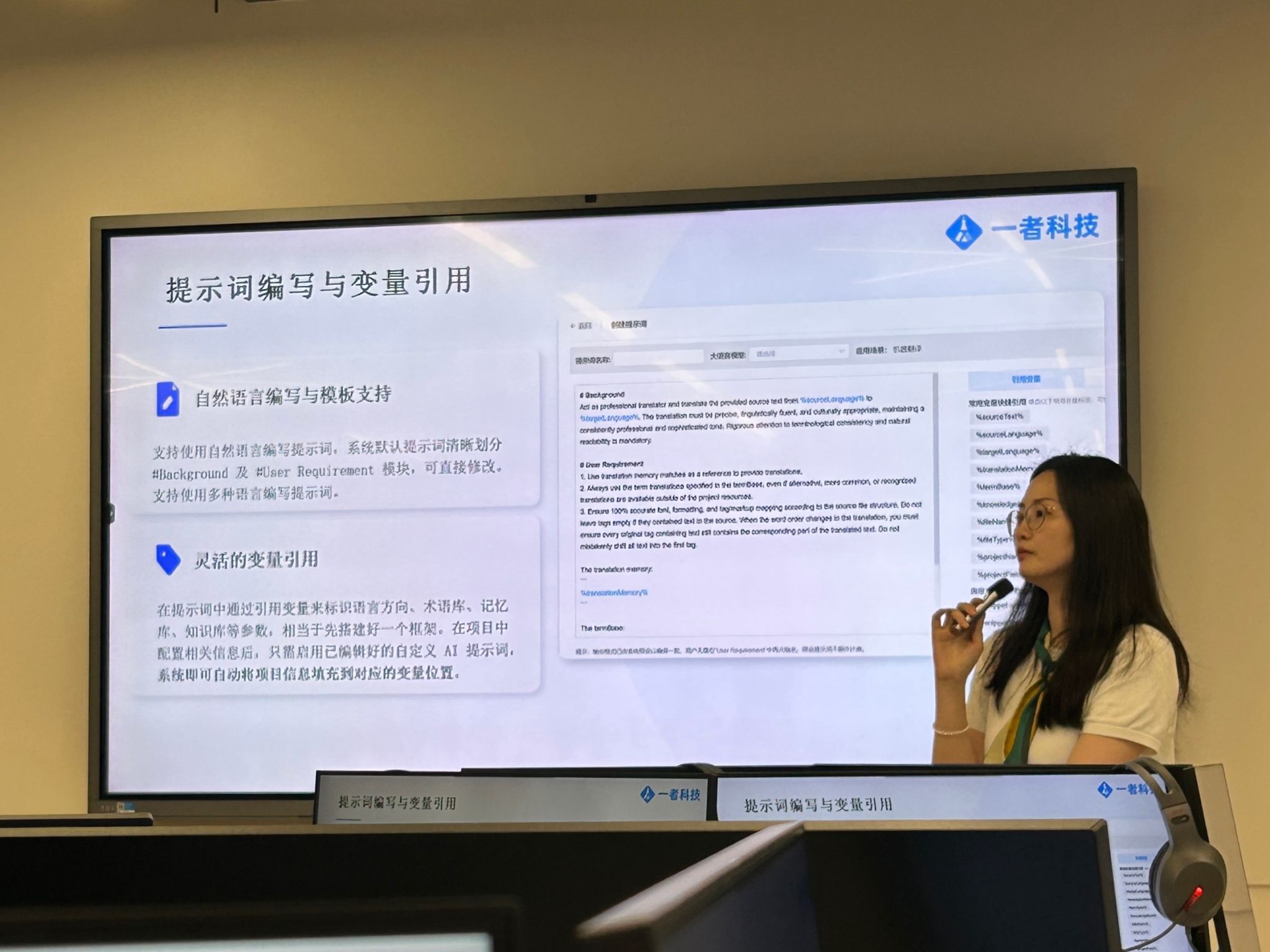
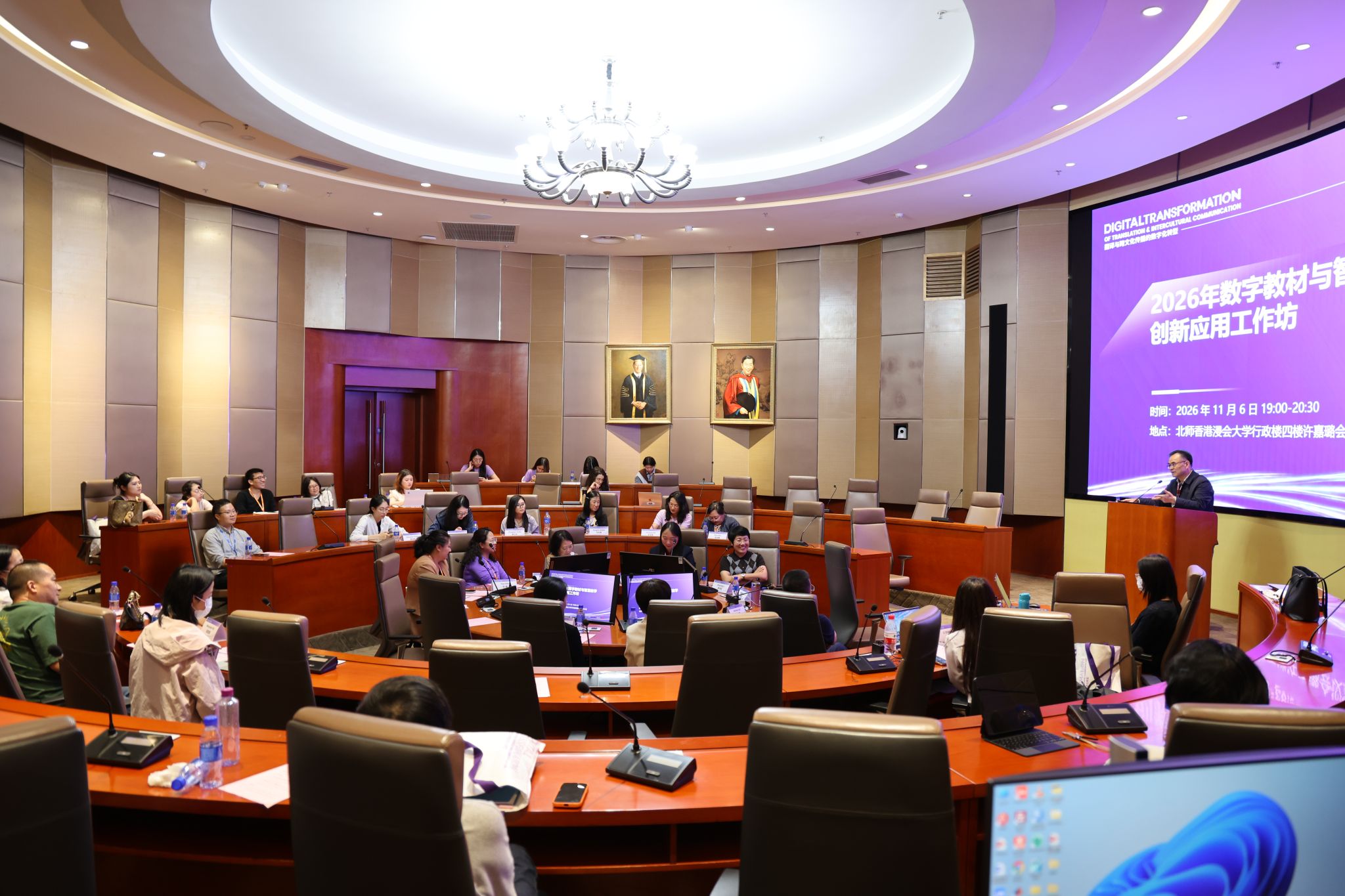
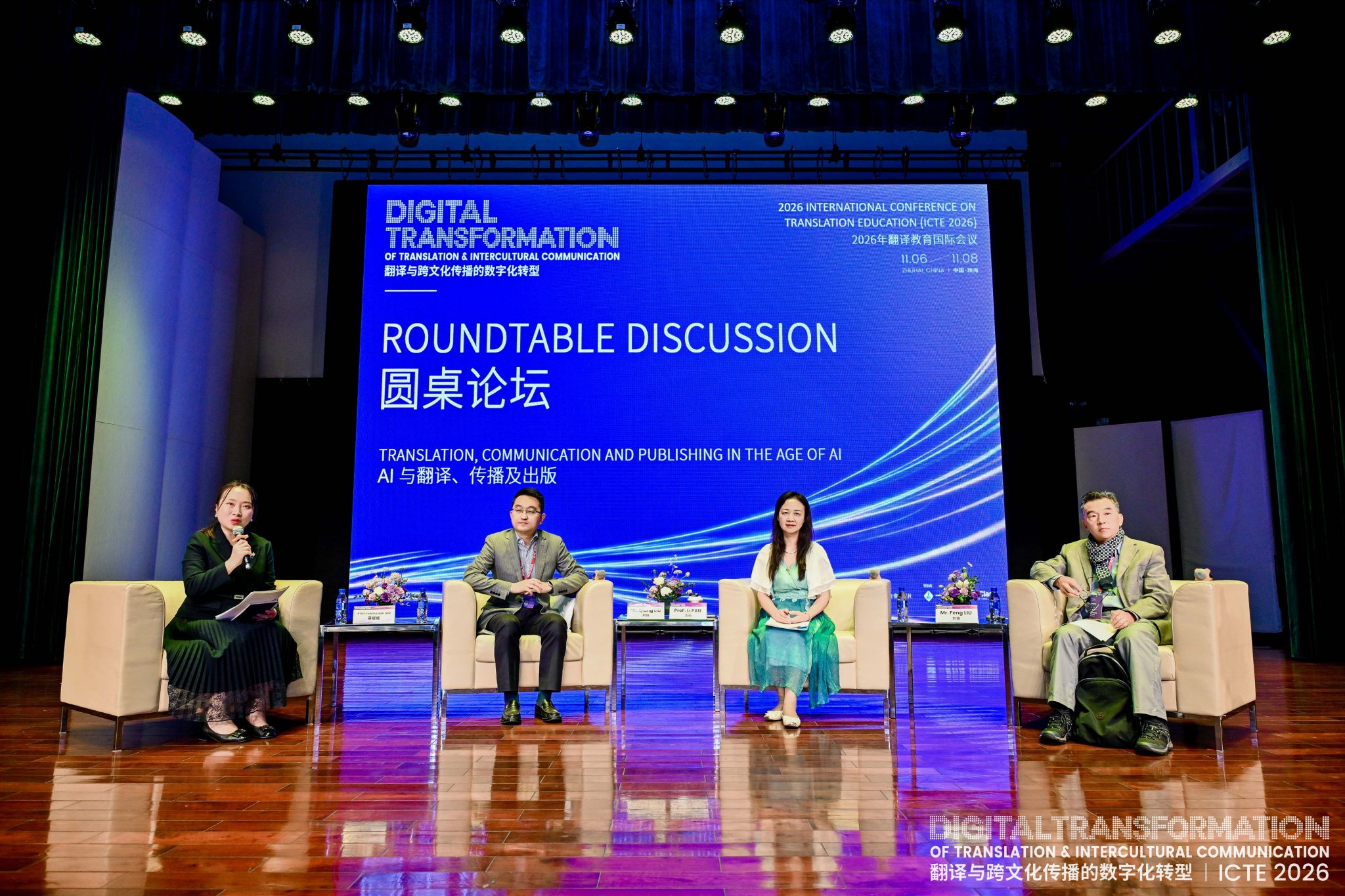
A round-table discussion entitled ‘Translation, Communication and Publishing in the Age of AI’ brought academic and industry perspectives into dialogue. Moderated by Professor Yuanyuan Mu, Deputy Dean of the School of Foreign Languages at Chaohu University, the panel examined how technological change is reshaping professional practice. The three panellists were Mr Qiang Liu, Senior Editor and Chief English Translator at the China Internet Information Center, part of the China International Communications Group; Mr Feng Liu, former Deputy General Manager of Phoenix Publishing & Media Group and former Editor-in-Chief of Yilin Press; and Professor Li Pan, Head of the Department of Translation and International Communication and Director of the Research Centre for Translation and International Communication at Guangdong University of Foreign Studies. Drawing on their experience in professional practice, teaching and research, they engaged in a lively discussion of emerging challenges and developments in translation, international communication and publishing in the AI era.
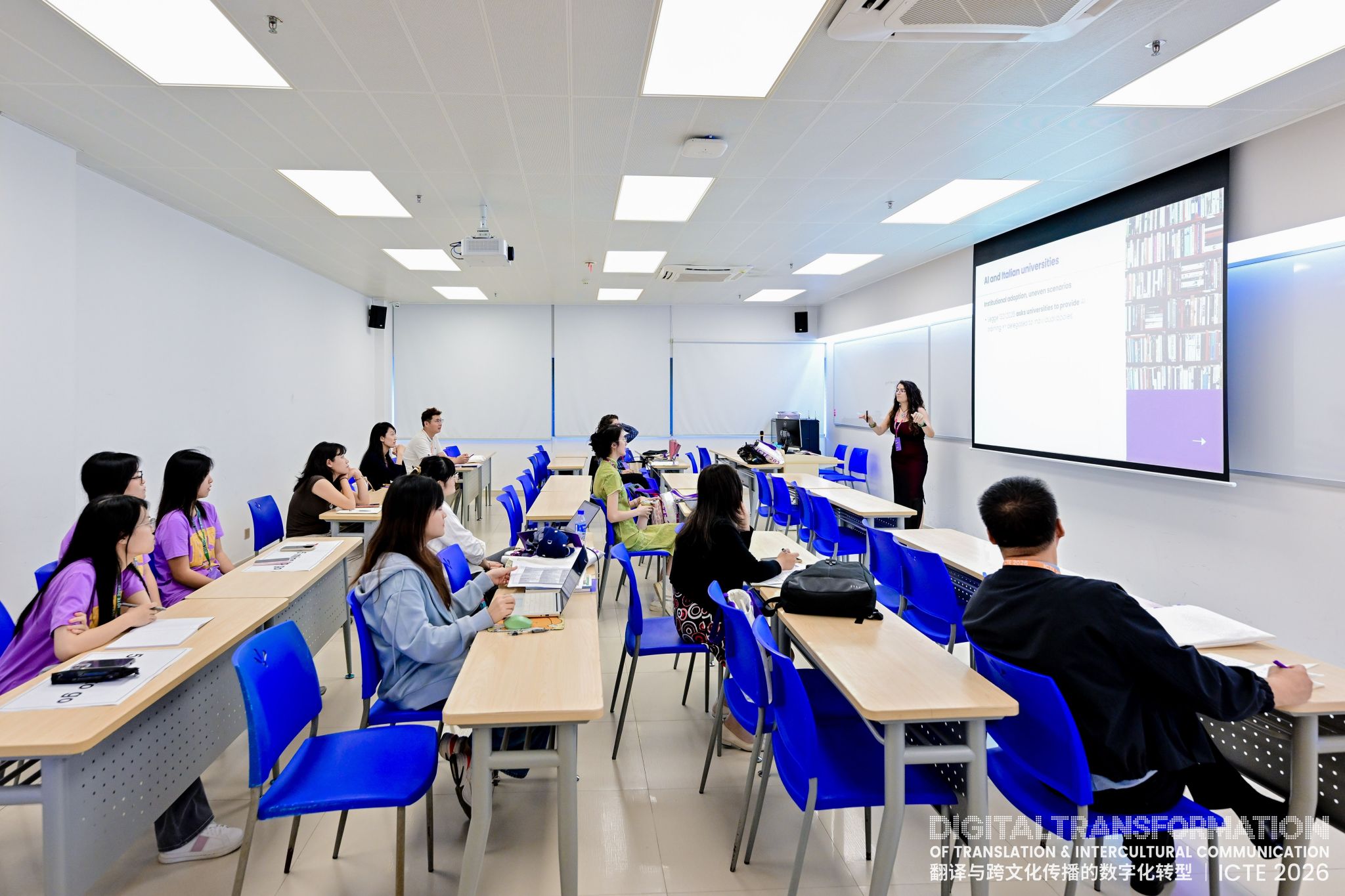
A total of 17 parallel sessions connected these themes with research on AI-assisted interpreter training, translation assessment, literary translation, digital cultural representation and ethics. Studies of collaborative poetry translation, AI-supported note-taking and cultural communication on social media offered concrete examples of the opportunities and challenges facing the field. Students and early-career researchers contributed alongside established scholars.
Continuing the conversation at the Conference High Table Dinner
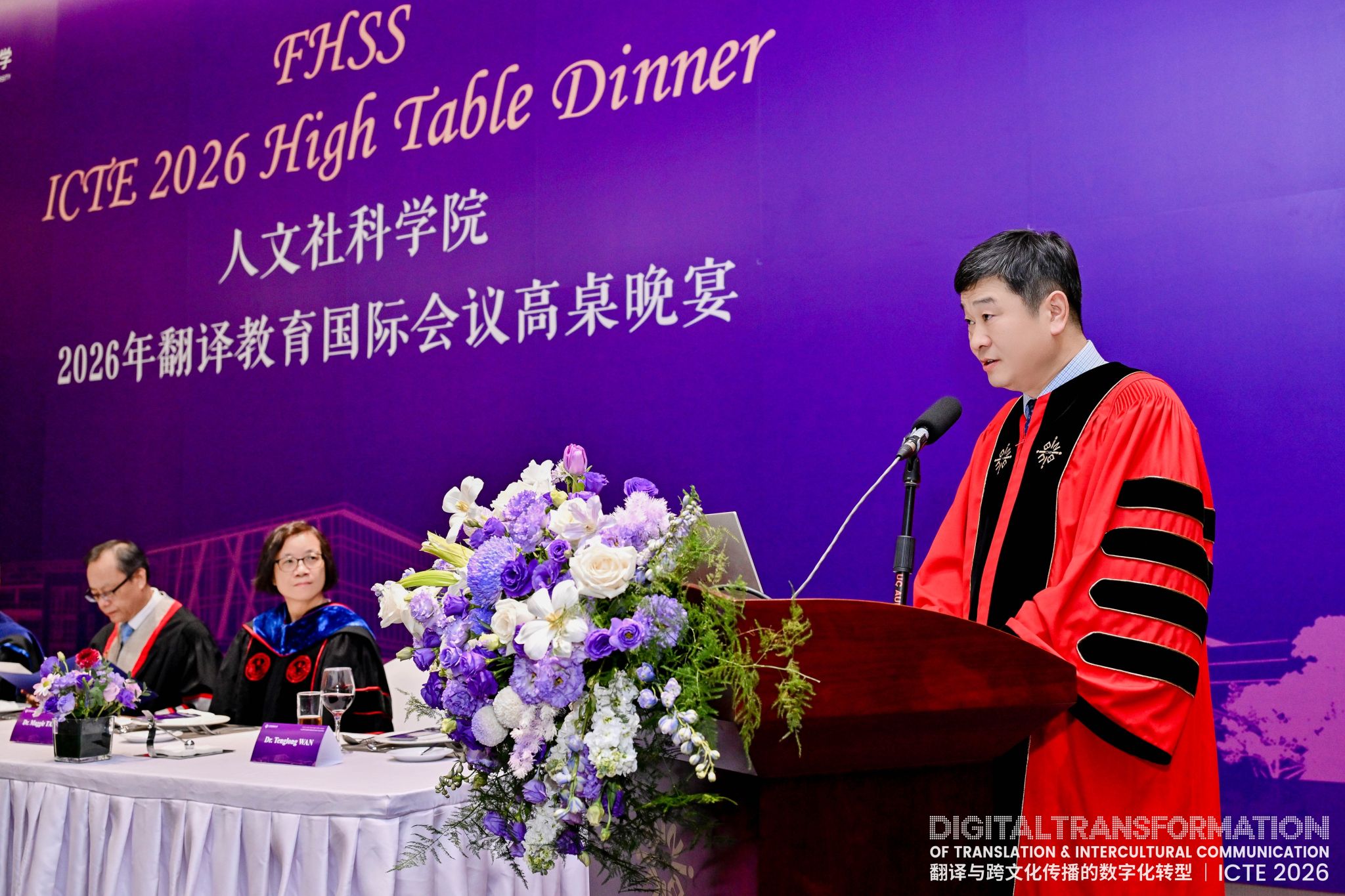
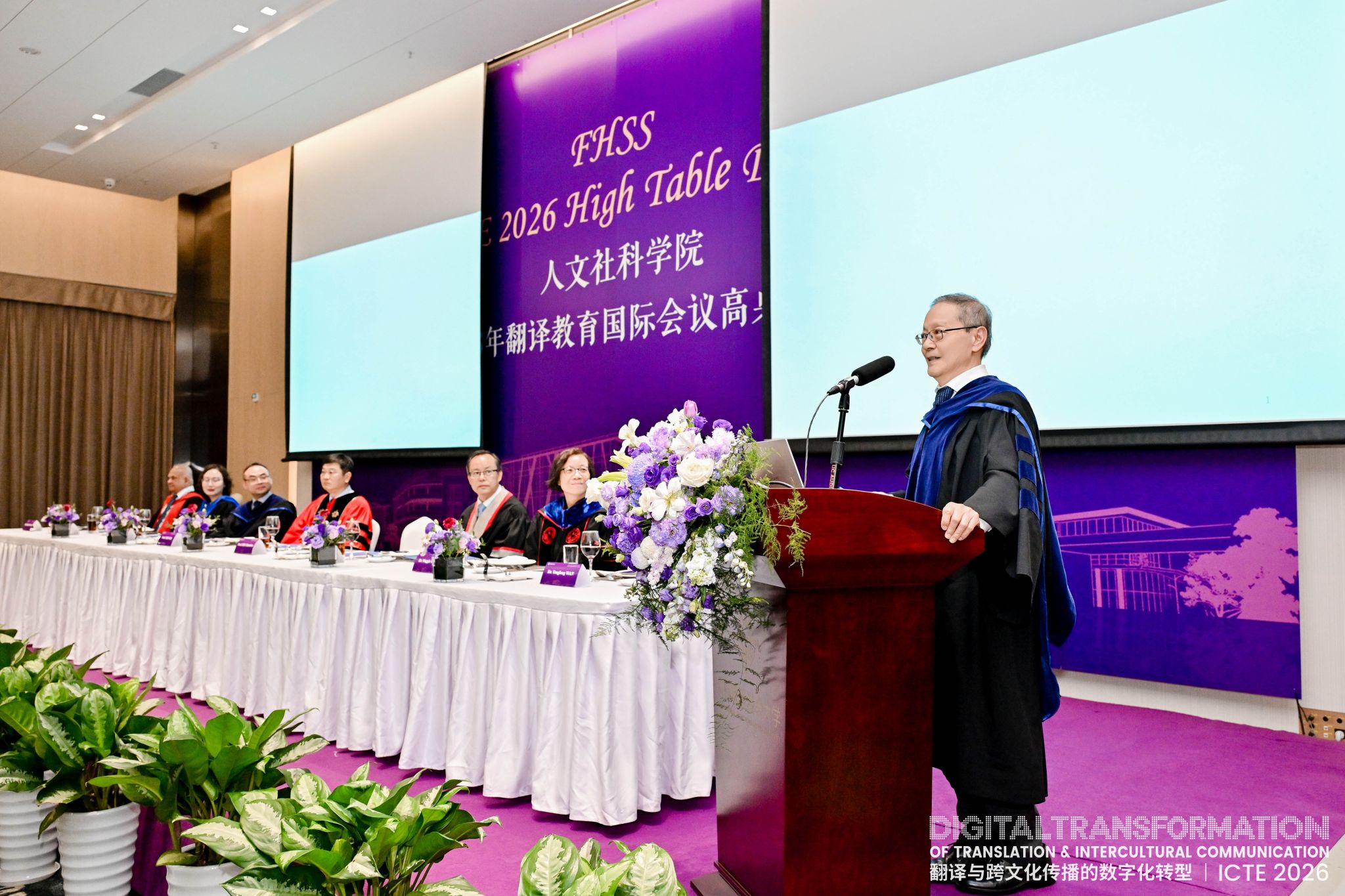
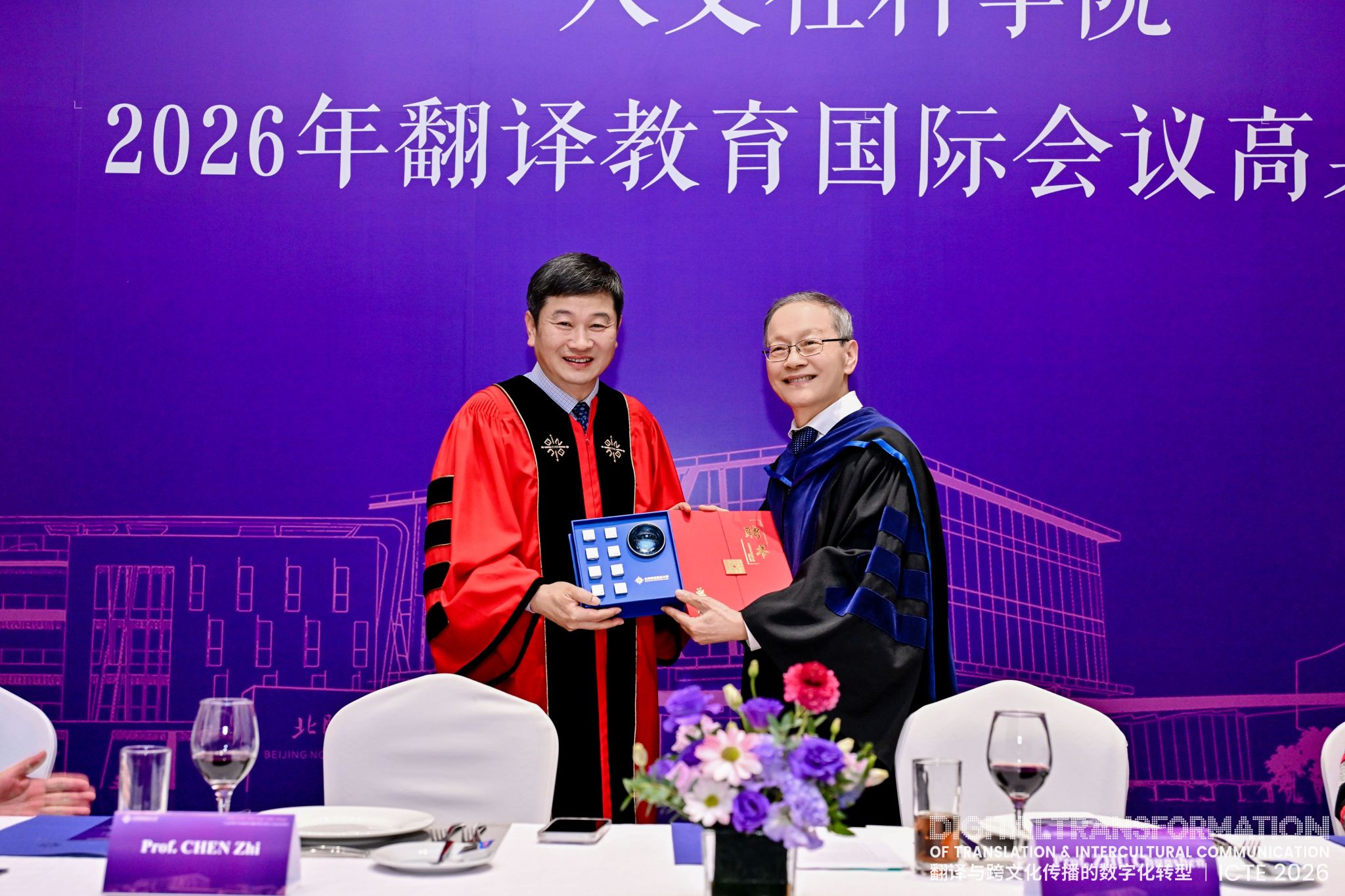
The FHSS ICTE 2026 High Table Dinner on 7 November provided a further setting for scholarly exchange. Chaired by BNBU President Professor Chen Zhi, the dinner featured a high table address by Professor Chunshen Zhu, founder of the ICTE series and Adjunct Professor at FHSS.
In his address ‘In the Name of a Name’, Professor Zhu explored the gaps between names and the things they represent. Drawing on personal experience and reflections on language, he argued that translation education should do more than train students to translate: it should encourage them to question familiar assumptions and discover new ways of seeing and expressing meaning.
Priorities for the future
At the closing ceremony, Dr. Tenglong Wan, Chair of the Organising Committee, identified three priorities emerging from the conference: pairing technological competence with critical judgement; sustaining the linguistic, cultural and ethical foundations of translation education; and strengthening collaboration among educators, researchers and language professionals.
The conference concluded with a call to bring these ideas into classrooms and workplaces, keeping translation’s core purposes—connecting people, sharing knowledge and fostering understanding across cultures—at the centre of technological change.
About ICTE
The International Conference on Translation Education brings together scholars, educators, students and industry practitioners to explore developments in translator and interpreter education. Previous editions were held at City University of Hong Kong in 2014, The Chinese University of Hong Kong, Shenzhen, in 2019 and 2024, and The Hong Kong Polytechnic University in 2025. The series provides a forum for dialogue on teaching, research and professional practice as the field responds to technological and societal change.
The next edition of ICTE will be hosted by Xi’an Jiaotong-Liverpool University in 2027.
