TALKS@FHSS Second Session Explores Boundaryless Teaching and Real-World Research Practice
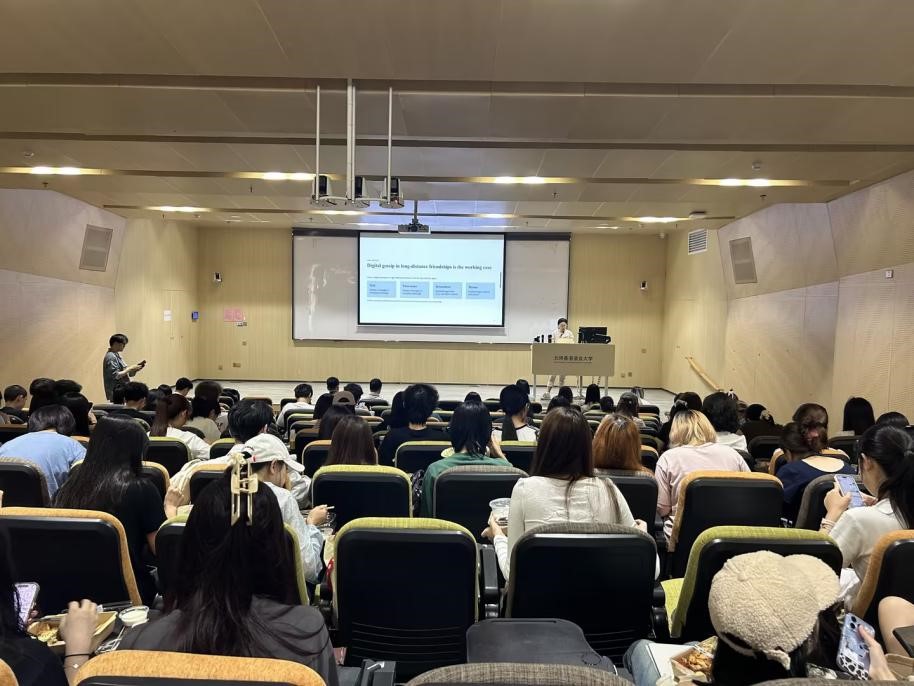
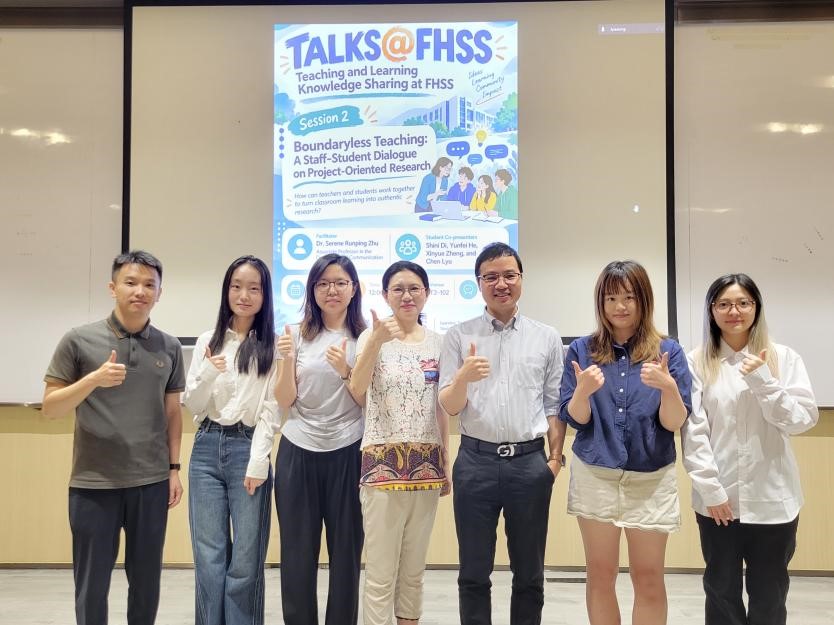
The second session of TALKS@FHSS, the monthly teaching and learning knowledge sharing series by the Faculty of Humanities and Social Sciences (FHSS) of Beijing Normal-Hong Kong Baptist University, was successfully held on 20 October.
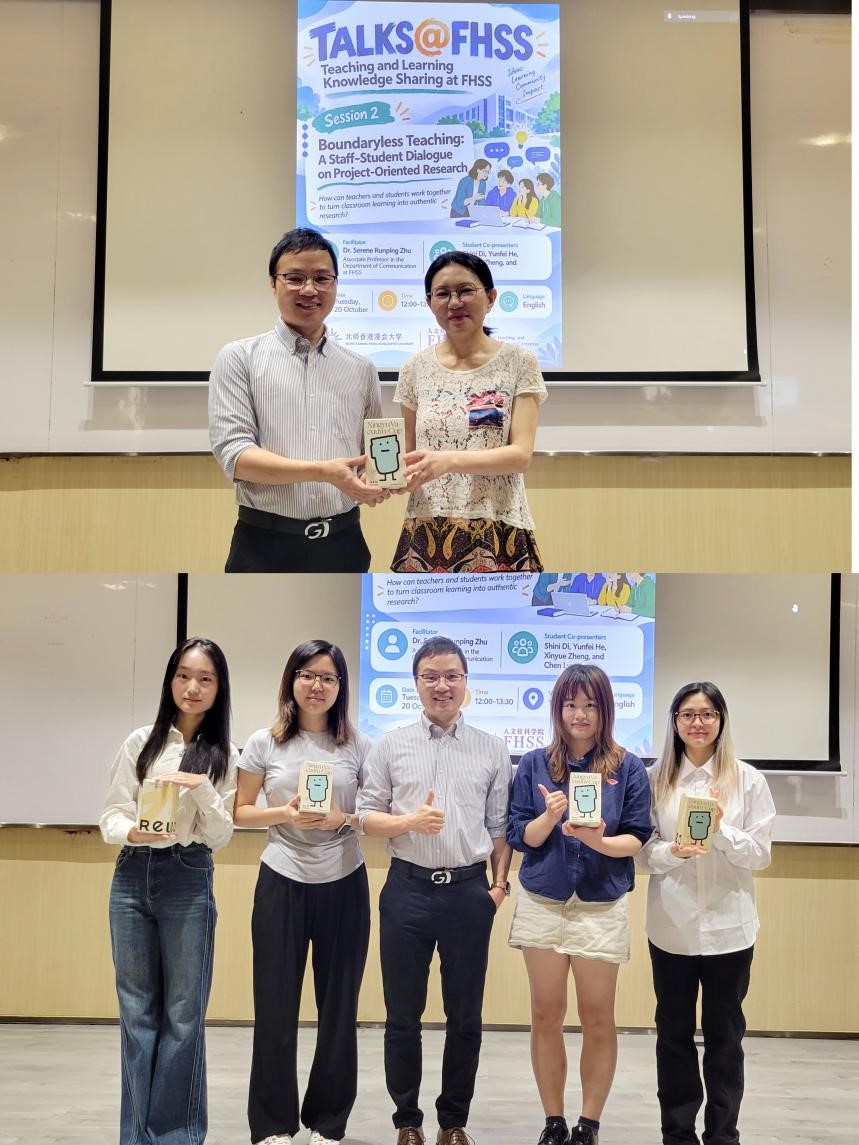
Themed “Boundaryless Teaching: A Staff-Student Dialogue on Project-Oriented Research”, the session explored innovations in research methods education and how to translate classroom knowledge into genuine research competence. It was led by Dr. Serene Runping Zhu, Associate Professor in the Department of Communication, joined by four student co-presenters: Shini Di, Yunfei He, Xinyue Zheng and Chen Lyu.
As a standing open forum for all FHSS staff and students, TALKS@FHSS encourages co-proposal, co-design and co-delivery of sessions. This edition took an undergraduate research methods course as an example to unpack the full journey from theoretical learning to practical research implementation.
Boundaryless teaching: classroom as the starting point of learning
Dr. Zhu introduced “boundaryless teaching”, a reflective practice developed through her years of teaching Communication Research Methods. Using the analogy of learning to drive, she noted that textbook knowledge alone cannot prepare students for all real-world research scenarios. Unforeseen challenges in fieldwork are not failures of teaching as they are precisely where learning begins.
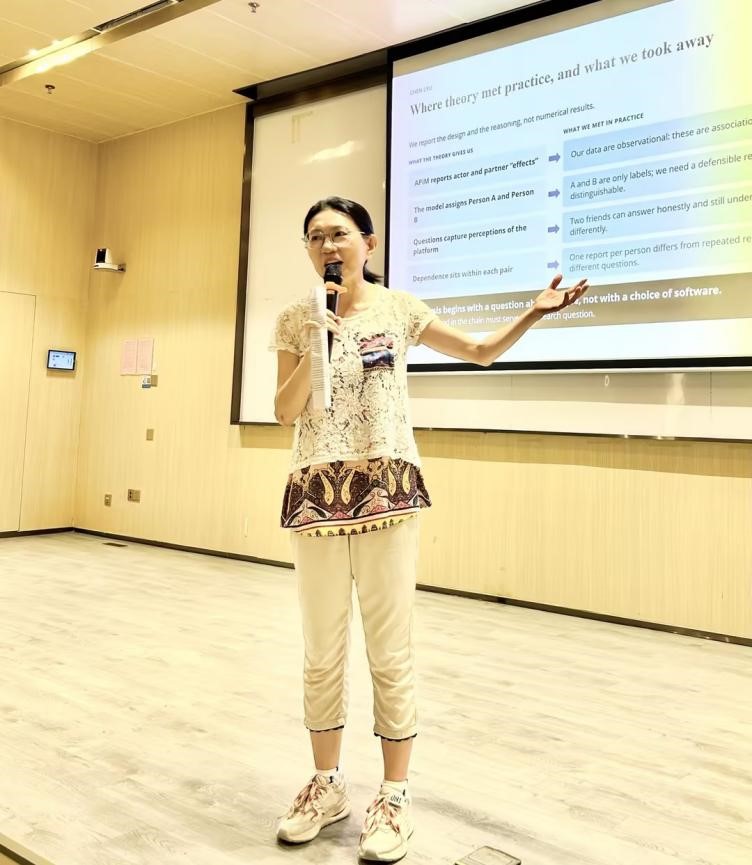
Her teaching approach breaks two key boundaries:
- The boundary of classroom time: students receive continued guidance via email and WeChat as they work on real research projects after class, with case-based “clinic-style” discussions to solve practical puzzles.
- The boundary of syllabus content: beyond core methods in the curriculum, she provides supplementary instruction on advanced tools tailored to students’ actual project needs.
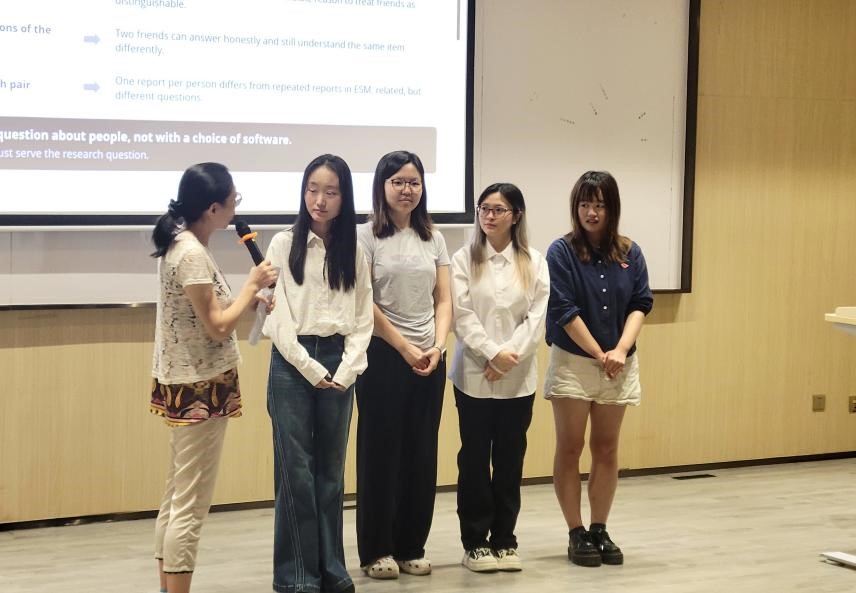
Dr. Zhu added that the featured undergraduate project has been accepted for presentation at an international communication conference, a testament to the model’s value in nurturing undergraduate research capacity.
Learning research through hands-on practice
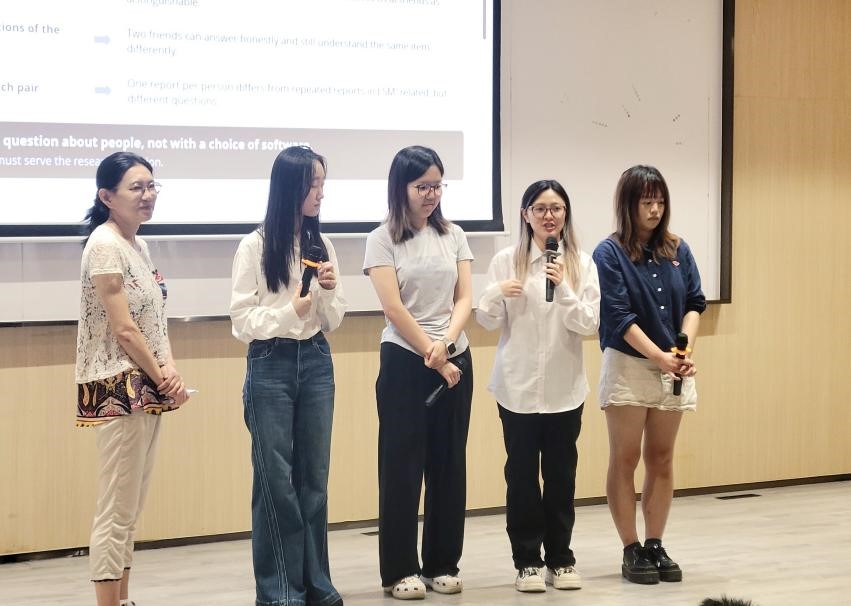
Four student co-presenters shared takeaways across all stages of their project: theoretical framing, Critical Incident Technique interviews, 14-day Experience Sampling Method tracking, and dyadic data analysis with the Actor-Partner Interdependence Model.
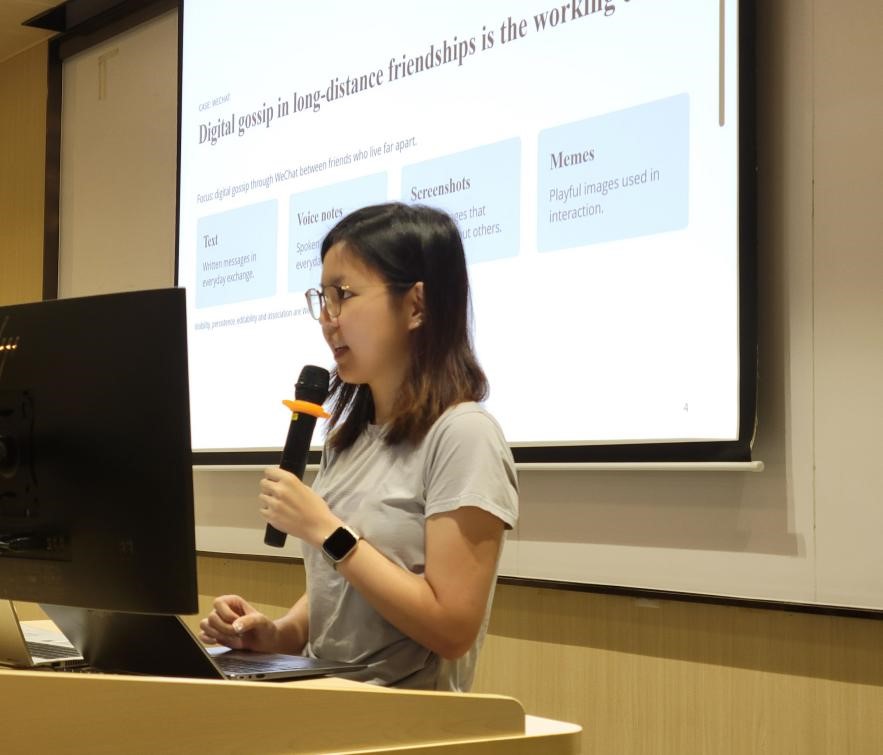
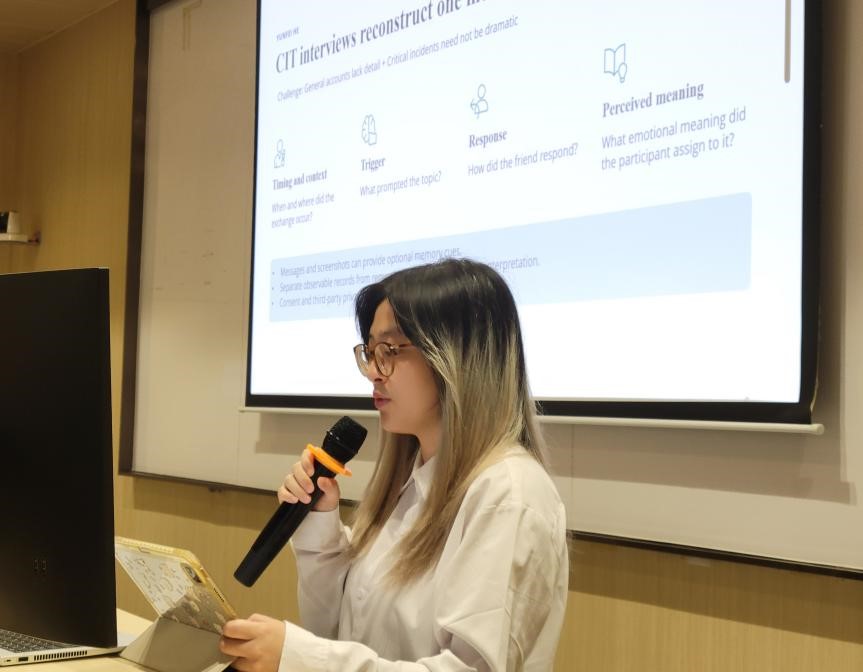
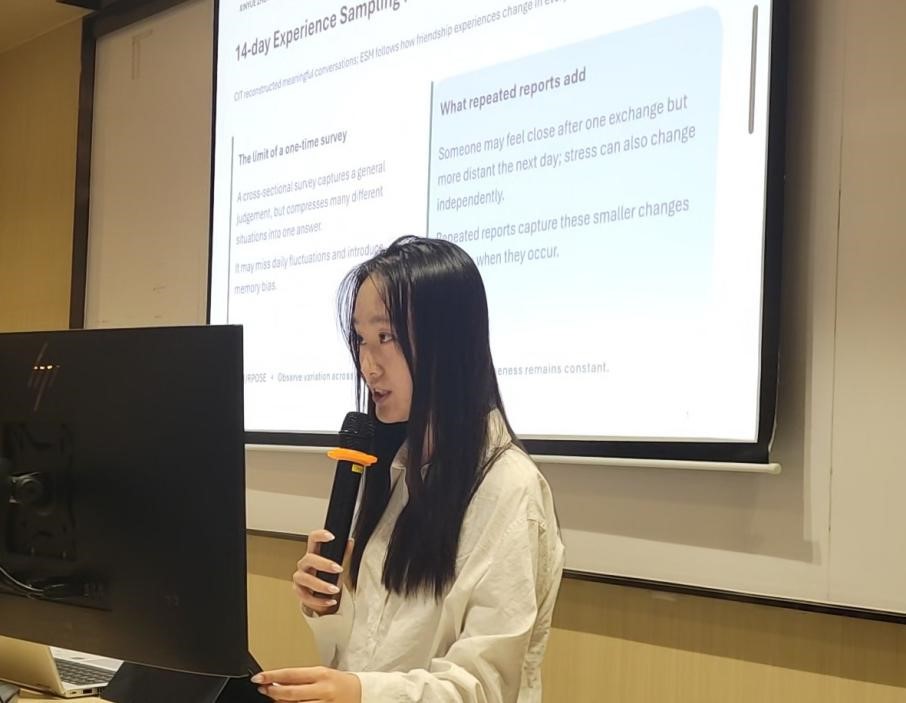
They reflected that classroom learning lays the foundation, but it is through tackling real challenges, from participant recruitment and daily survey follow-up to matching methods with actual social contexts, that research judgement truly develops. Data quality and research capability, they noted, are built through every step of on-the-ground practice, not just textbook study.
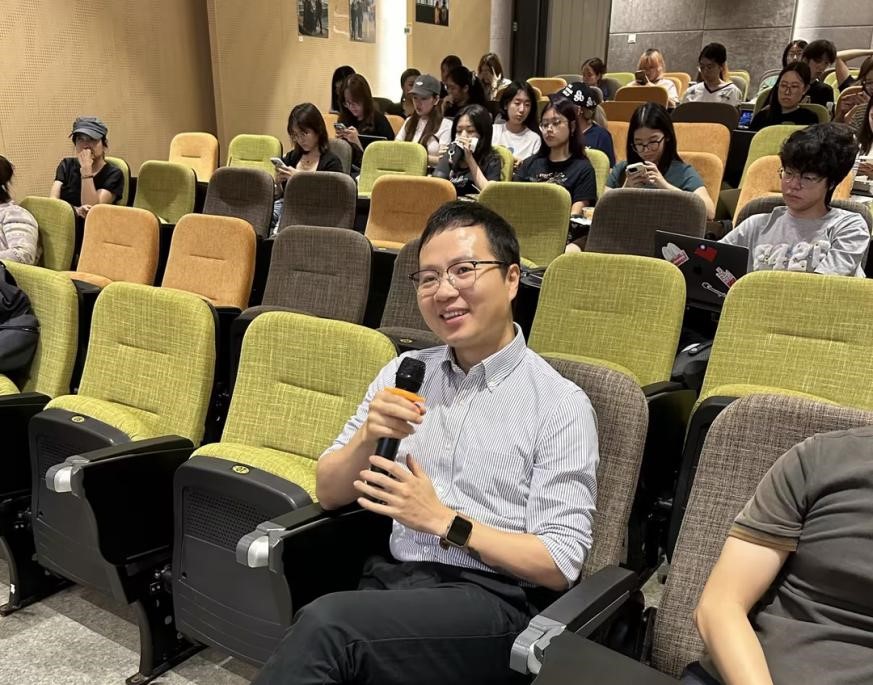
During the open discussion, participants discussed adapting boundaryless teaching for large classes. Dr. Zhu responded that the intensive model works best for small groups; for larger cohorts, it can be implemented through open consultation channels and targeted support for motivated students, rather than uniform full coverage. Attendees also exchanged views on practical hurdles in undergraduate research.
The third TALKS@FHSS session will take place in November. Proposals on topics including curriculum, assessment, educational technology and student experience are welcome from all FHSS students and staff in any interactive format. Guided by the vision of co-creation, shared learning and mutual growth, TALKS@FHSS will continue to build a collaborative learning community for teaching innovation.
