TALKS@FHSS Third Session Explores What Makes Assessment Meaningful
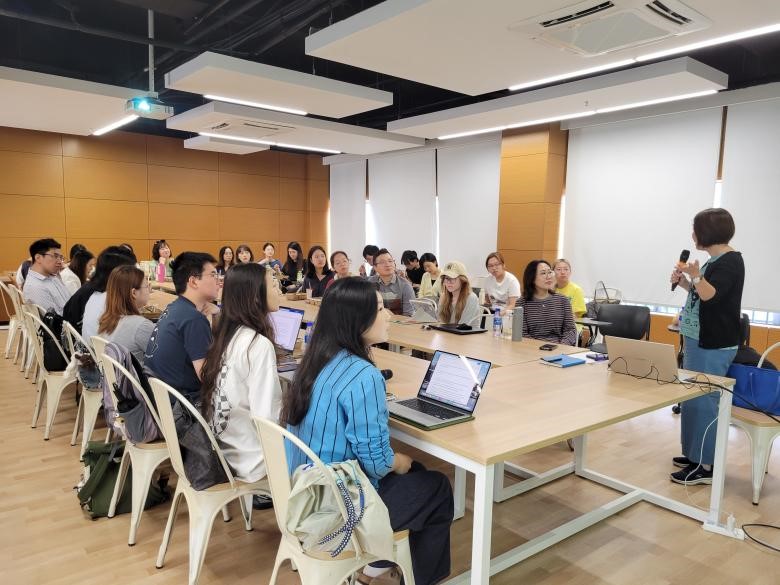
The third session of TALKS@FHSS, the monthly teaching and learning knowledge sharing series by the Faculty of Humanities and Social Sciences (FHSS) of Beijing Normal-Hong Kong Baptist University, was successfully held on 18 November.
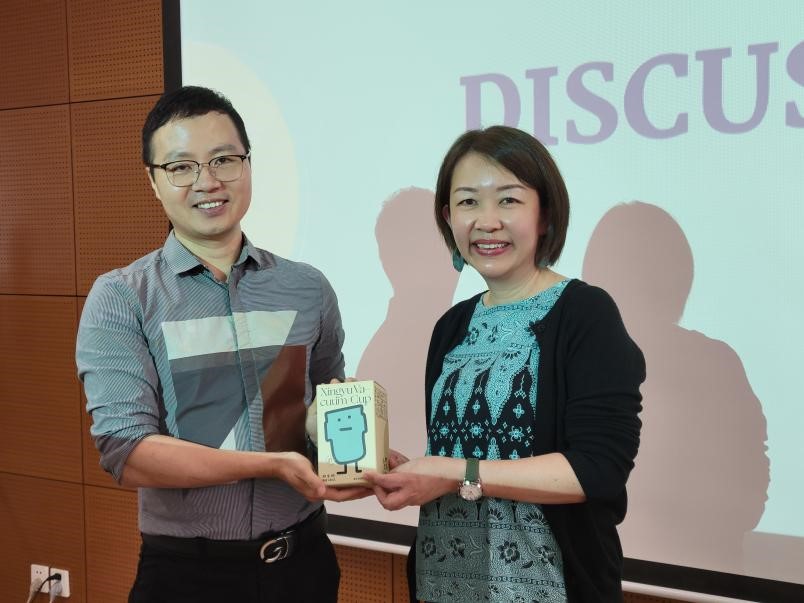
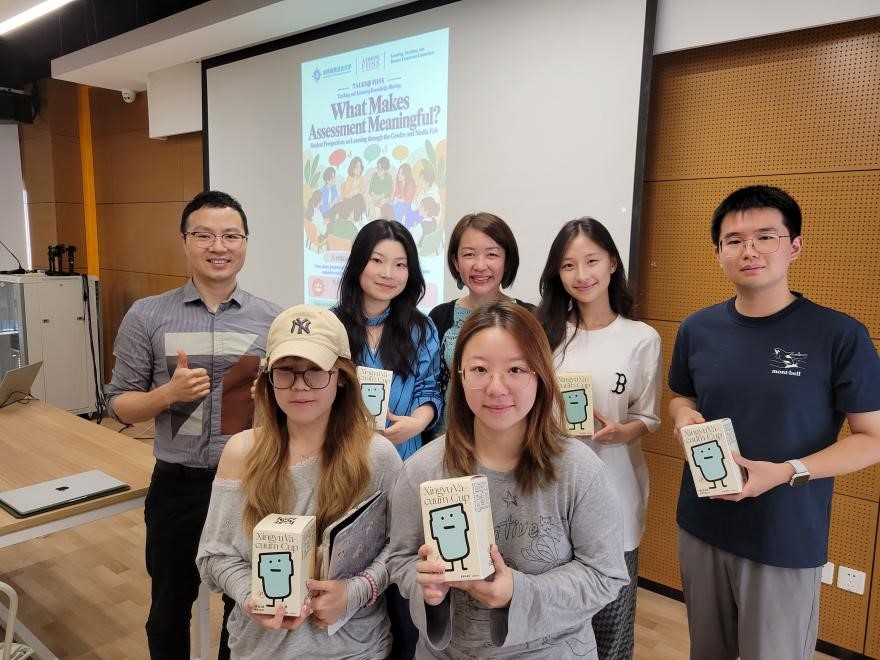
Themed What Makes Assessment Meaningful?, the session centred on the “Gender and Media Fair” practice project from the Gender and Media course. It was facilitated by Dr. Nicole Yang, Associate Professor in the Department of Communication, joined by four student co-presenters: Jindi Wang, Haoyu Wang, Furui Li and Yimeng Wang, who shared learner perspectives on practice-based assessment.
As a standing open forum for all FHSS staff and students, TALKS@FHSS upholds equal staff-student dialogue. This session reviewed hands-on assessment experiences through a real course case and invited collective discussion on more meaningful assessment approaches.
From essays to the Fair: rethinking assessment beyond standard answers
Dr. Yang shared how the Gender and Media Fair came into being. As a capstone course, Gender and Media aims to help students integrate prior knowledge and apply it to real-world issues, rather than focusing solely on academic essays.
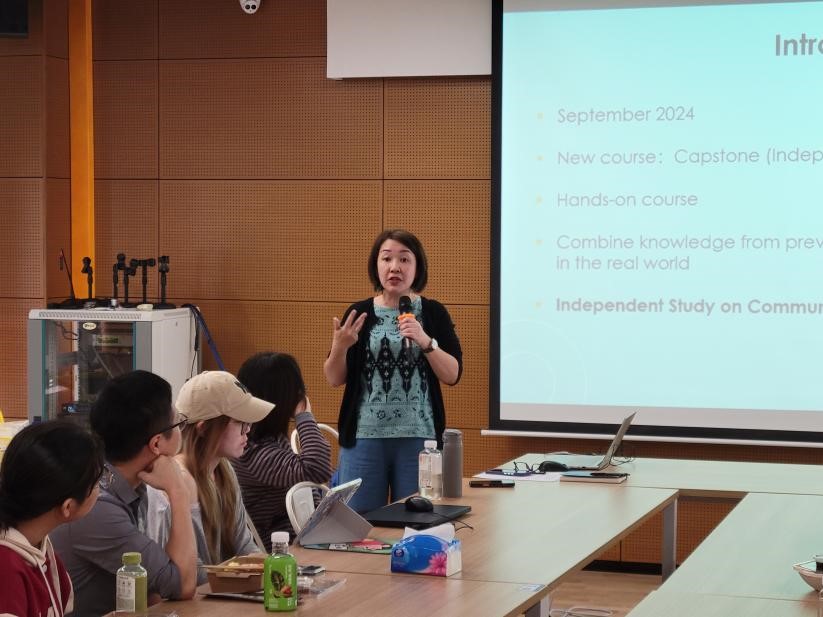
Initially uncertain about delivering a non-traditional course, she invited students to co-design the assessment format. Diverse student ideas — from charity merchandise and exhibitions to interactive games and teaching kits — were combined into one integrated fair, following a proposal from a student.
Now in its successive editions, the fair covers topics including gender stereotypes, inclusive language and workplace gender challenges. Assessment spans project proposals, weekly progress logs, presentations, on-site delivery and final reports. Dr. Yang noted that this model reveals student strengths invisible in traditional assignments, such as creativity, organisation and teamwork, and her own role has shifted from lecturer to facilitator and co-participant.
Student voices: assessment that goes beyond grades
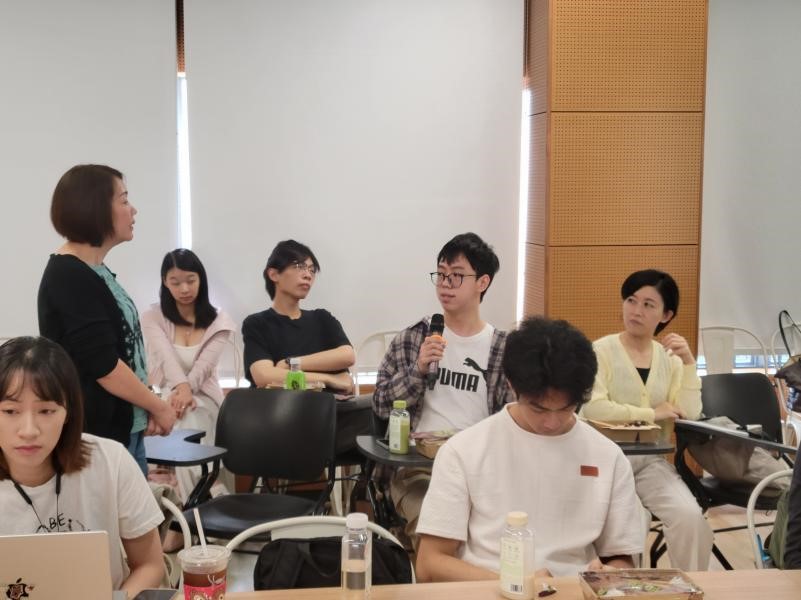
The four student presenters reflected on their growth through the project and offered suggestions for improvement.
They shared that hands-on curation of the “gender swap” photo exhibition helped them grasp theories such as gender performativity far deeper than textbook learning, turning abstract concepts into tools for understanding real life. They also proposed two refinements: adding a post-fair review using audience feedback to measure communication effectiveness, and including creative decision-making details such as shooting design as part of assessment.

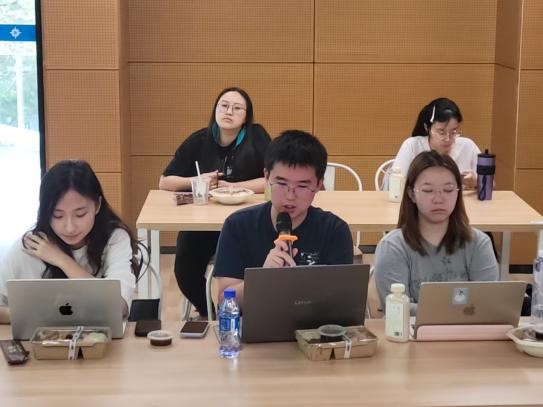

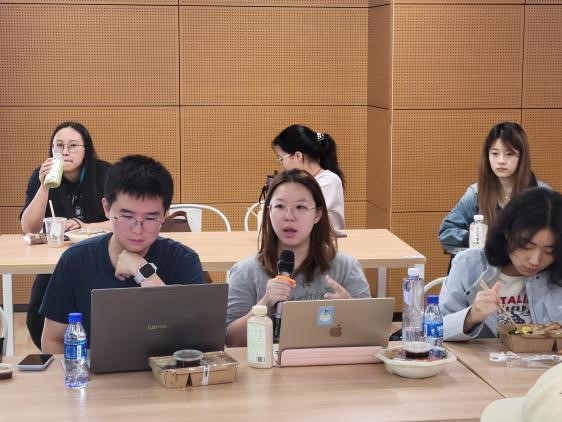
During open discussion, attendees exchanged views on meaningful assessment. Students preferred open-ended, impact-driven projects over repetitive, grade-only tasks. Faculty members discussed grading fairness across diverse formats, and Dr. Yang shared her solution: general rubrics plus multi-judge scoring to balance creative freedom and assessment reliability.

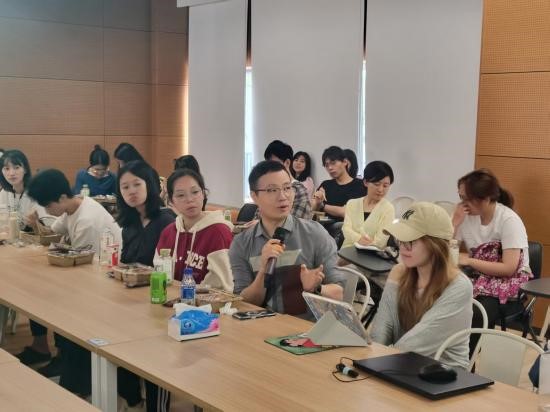

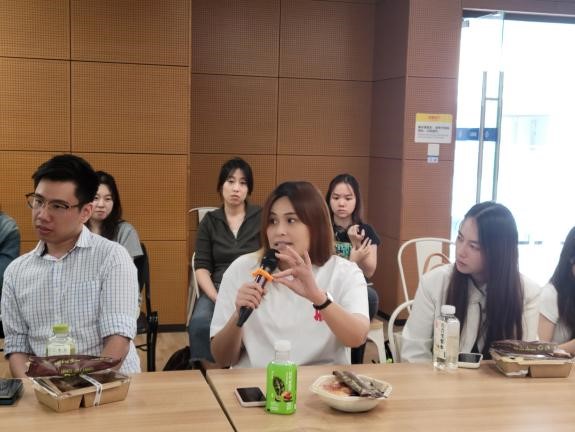
The session concluded with a shared understanding that assessment’s ultimate goal is genuine learning and practical application, not just grades.
The fourth TALKS@FHSS session will take place in December. The series will continue to focus on frontline teaching and learning issues, and all FHSS students and staff are welcome to participate.
