Symposium Recap|Between Intersect and Interconnect: The Evolving Encounters of South China and Southeast Asia
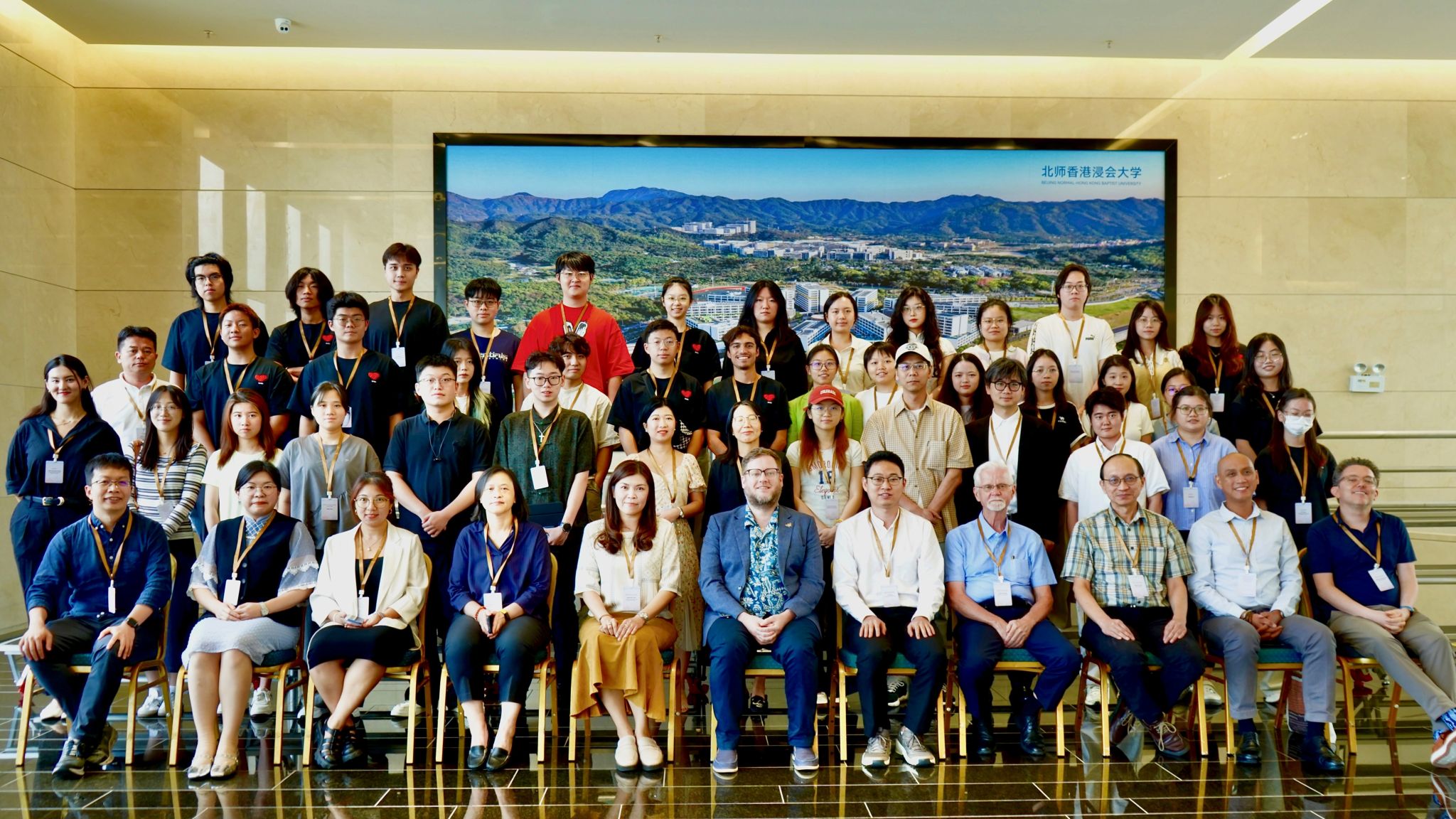
Group photograph of all symposium participants
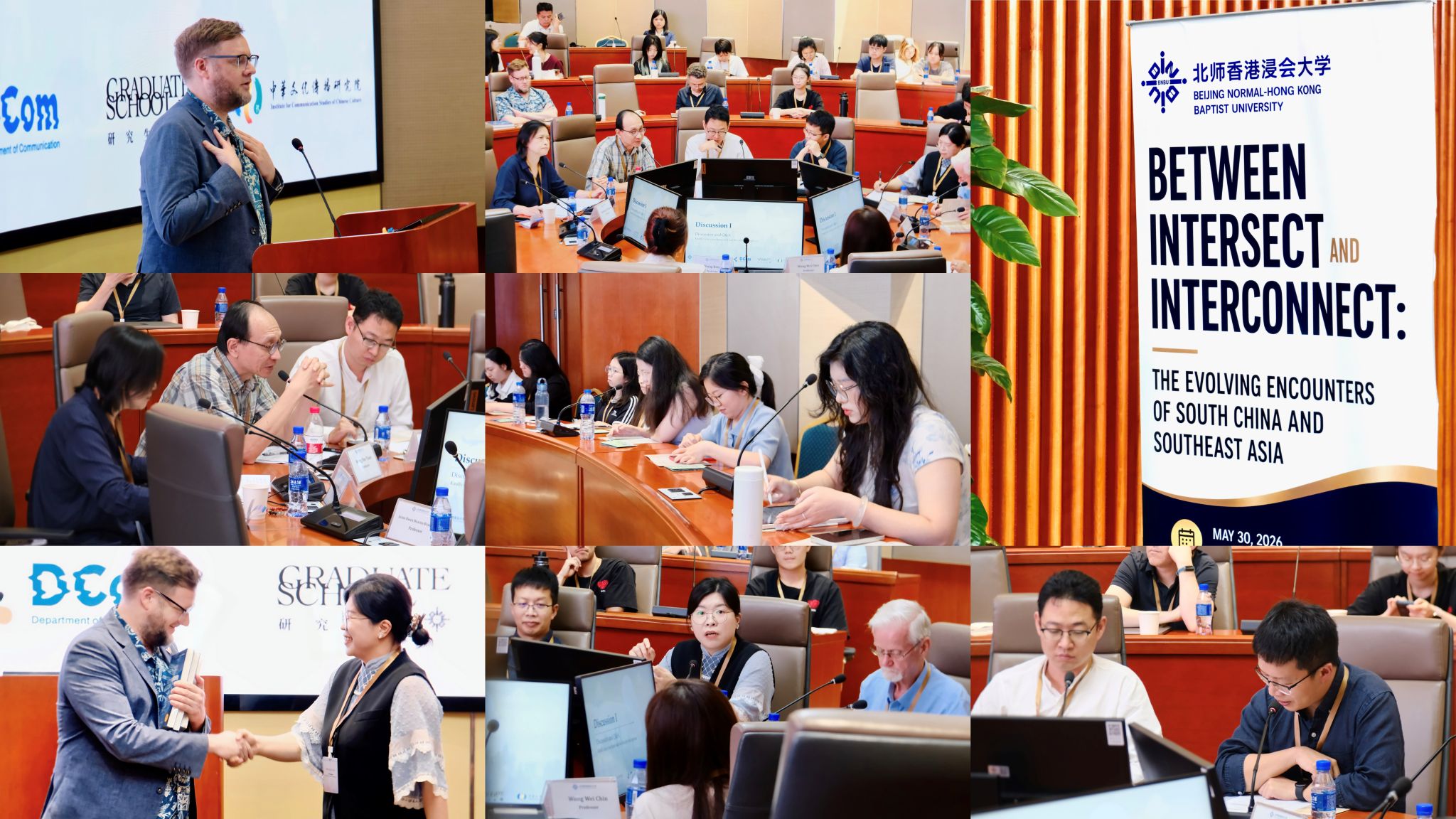
Scenes from the international symposium “Between Intersect and Interconnect: The Evolving Encounters of South China and Southeast Asia”
On May 30, 2026, the international symposium “Between Intersect and Interconnect: The Evolving Encounters of South China and Southeast Asia” was held at Beijing Normal-Hong Kong Baptist University. The symposium was supported by the University’s Graduate School (GS) and the Institute for Communication Studies of Chinese Culture (ICSCC), organized by the Department of Communication of the Faculty of Humanities and Social Sciences, and coordinated by Associate Professor Wong Wei Chin. It focused on how South China and Southeast Asia gradually evolved deeper intersections characterized by institutional, intellectual, and social dimensions. Scholars from Peking University, Sun Yat-sen University, Jinan University, Guangdong University of Foreign Studies, the University of Macau, the National University of Singapore, Universiti Malaya, the University of the Philippines-Diliman, Mae Fah Luang University in Thailand, and Beijing Normal-Hong Kong Baptist University gathered. They engaged in in-depth exchanges on topics including historical encounters, knowledge production, transregional trade, practical challenges and dilemmas in teaching and research, overseas Chinese migration, maritime networks, and historical archives. Through interdisciplinary dialogue across area studies, communication history, maritime history, translation studies, and archival research, the symposium further expanded the academic horizon for understanding the relationship between South China and Southeast Asia.
At the beginning of the symposium, Dr. Jesse Owen Hearns-Branaman, Head of the Department of Communication, extended a warm welcome to the scholars, faculty, and students who had travelled from afar to Zhuhai for the symposium. He had displayed a world map on the wall of his office—one side delineated political boundaries, while the reverse depicted the world’s geographical features—prompting him to ponder the curious alignment between natural and man-made divisions across rivers, islands, borders, regions, and academia. Drawing from these formative experiences, he highlighted the symposium’s essential role in advancing cross-border knowledge systems and fostering talent through collaborative teaching and research initiatives among universities and research institutions in the Greater Bay Area and Southeast Asia.
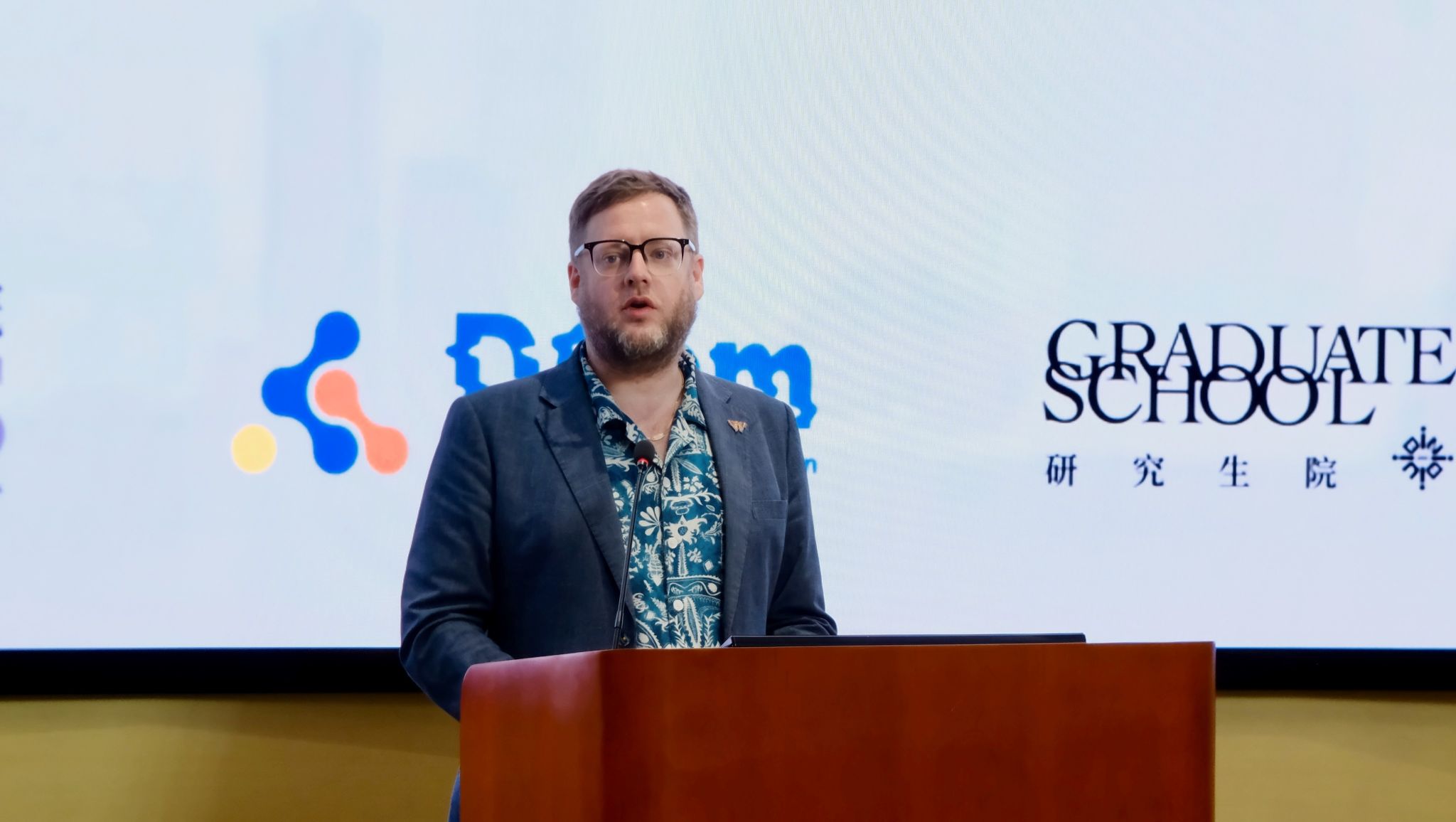
Jesse Owen Hearns-Branaman, Head of the Department of Communication, delivering the opening speech
The morning session, themed “Knowledge Infrastructures and the Making of Southeast Asian Studies,” was moderated by Julia Mayumi Miyagawa Braga, an intern from Brazil. Vatthana Pholsena, Associate Professor and Head of the Department of Southeast Asian Studies at the National University of Singapore (NUS), delivered the first report titled “The View from the Region: Southeast Asian Studies from Singapore.” Using NUS as a key case study, she explored whether a “Singapore approach” with regional subjectivity can be identified. Citing distinguished scholar Wang Gungwu, she noted that during the 1970s and 1980s, most Singaporean scholars prioritized research on defense, security, and Chinese ethnicity, rather than studying Southeast Asia as a region with its own historical and cultural foundations. Drawing also on Thongchai Winichakul’s critique of Thai academia, she pointed out that Thai scholarship has long adopted a “Thai-centric” perspective toward its neighbors, viewing them not as regional partners but as others. Professor Vatthana Pholsena argued that Singapore's tradition of Southeast Asian studies has been deeply shaped by its geopolitical concerns, East Asian focus, and Chinese identity, and that the conditions of knowledge production in Singapore differ significantly from those in other Southeast Asian countries.
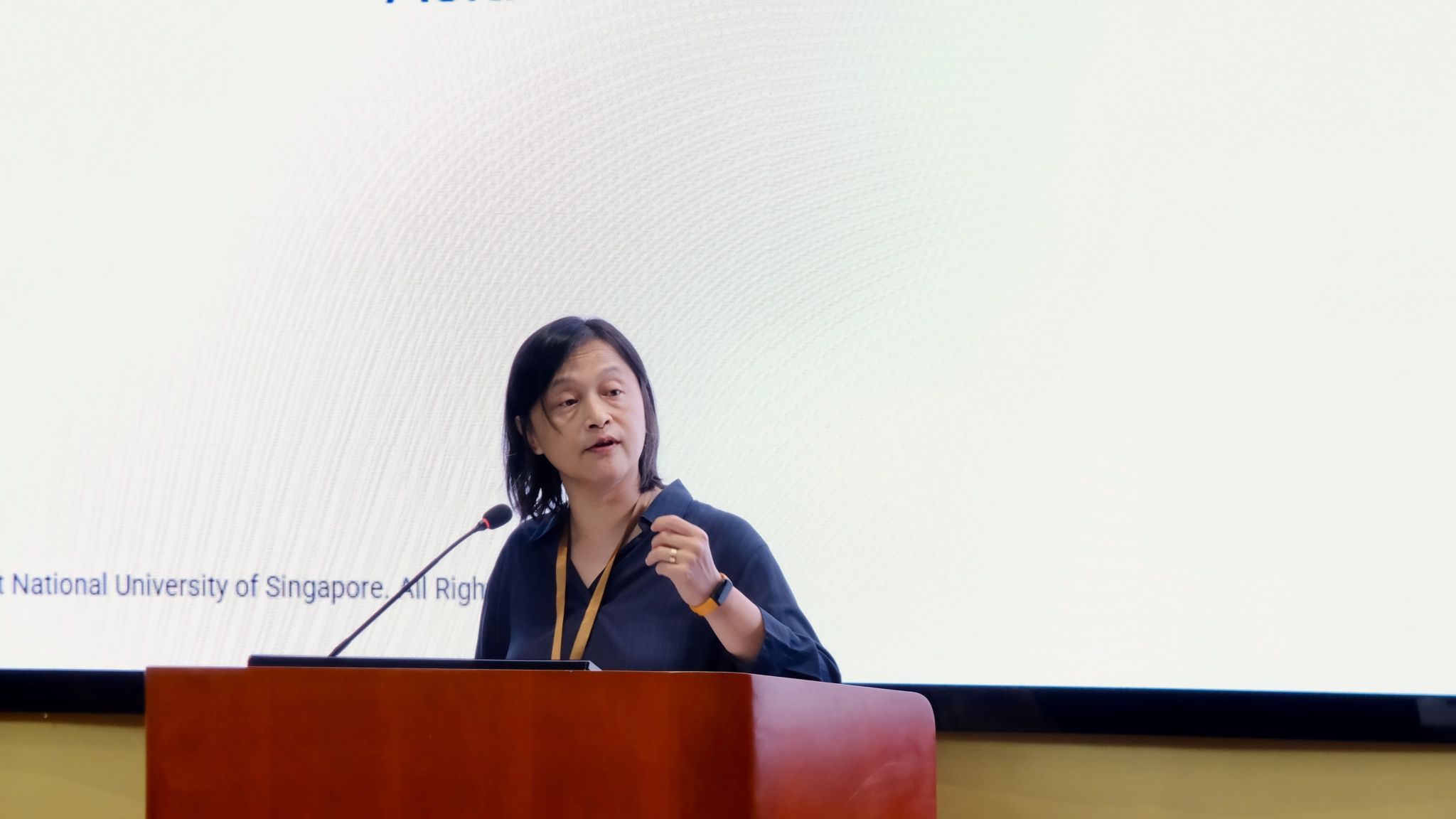
Vatthana Pholsena, Associate Professor, National University of Singapore
Dr. Wong Yee Tuan, Research Fellow at the Centre for Humanistic Buddhism of Universiti Malaya, subsequently delivered his observations titled “At the Crossroads of Malay(si)a and South China: Reimagining Southeast Asian Studies.” He pointed out that while Malaysia is situated at the intersection of the Malay world, the South China Sea, and multiple colonial experiences, the teaching and development of Southeast Asian Studies in the country face multiple challenges related to language training, archival access, disciplinary boundaries, and the nation-state framework. In particular, he criticized the traditional “nation-state framework” for marginalizing ethnic minorities and maritime networks. He advocated for a reorientation of Southeast Asian Studies through multilingual competencies, diverse archival sources, and transregional comparative frameworks, shifting the analytical focus from state-centric narratives toward transnational flows and maritime connections.
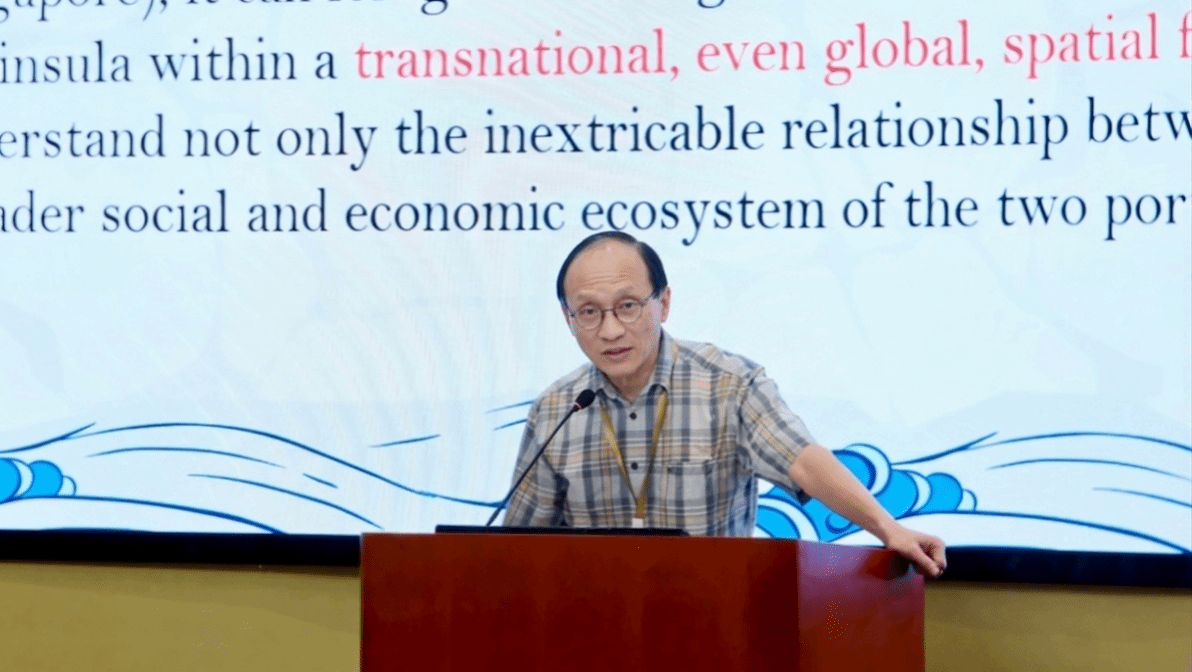
Wong Yee Tuan, Research Fellow, Universiti Malaya
Dr. Cui Feng from the School of Sinology at Mae Fah Luang University in Thailand delivered a report titled “Thai Studies in China in the Cold War Context: Ideology, Memory, and Silence.” He pointed out that Thai Studies in China originated in the Republican era, driven by wartime strategies and overseas Chinese affairs. During the Cold War period, the field was primarily shaped by regional security and neighborhood diplomacy considerations, with research agendas deeply influenced by state policies and institutional conditions of different historical phases. He particularly noted that academic discussions on certain historical interactions between China and Thailand during the Cold War remain relatively limited, and that relevant archival materials and research topics await further compilation and exploration. Dr. Cui Feng argued that the development of Thai Studies in China reflects the evolving relationship between academic knowledge production and state strategic priorities across different periods, and suggested that future efforts should focus on source compilation and cross-linguistic research.
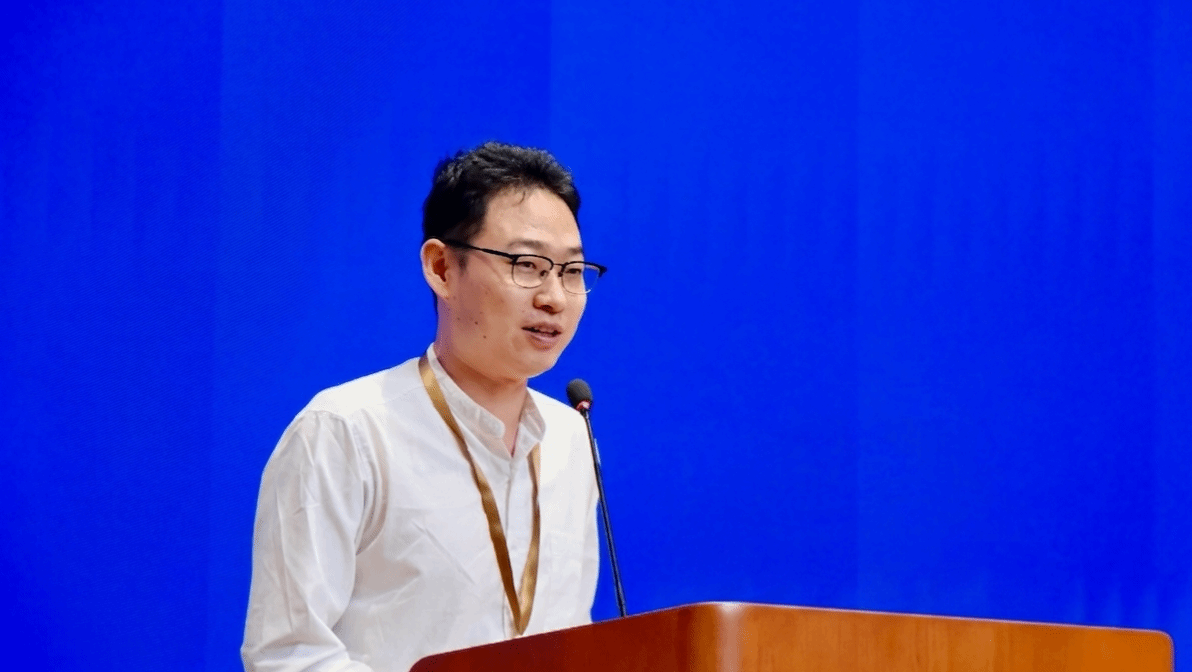
Cui Feng, Lecturer, Mae Fah Luang University, Thailand
Dr. Xie Kankan, Associate Professor at the Department of Southeast Asian Studies, School of Foreign Languages, Peking University, delivered a report titled “Experiencing Southeast Asian Studies in China: A Reverse Culture Shock.” He observed that since the launch of the Belt and Road Initiative in 2013, Southeast Asian Studies in China has expanded rapidly with growing policy demands and funding support. However, the field has become increasingly policy-oriented, while the tradition of humanistic research has been increasingly marginalized. He analyzed three institutional approaches to the development of Southeast Asian Studies in China: area studies institutes at comprehensive universities, the transformation of foreign language universities, and locally grounded models in provincial institutions. Dr. Xie Kankan further identified the current challenges as balancing policy-oriented and basic research, negotiating the relationship between Western academic discourse and local agency, and maintaining academic depth amid rapid expansion.
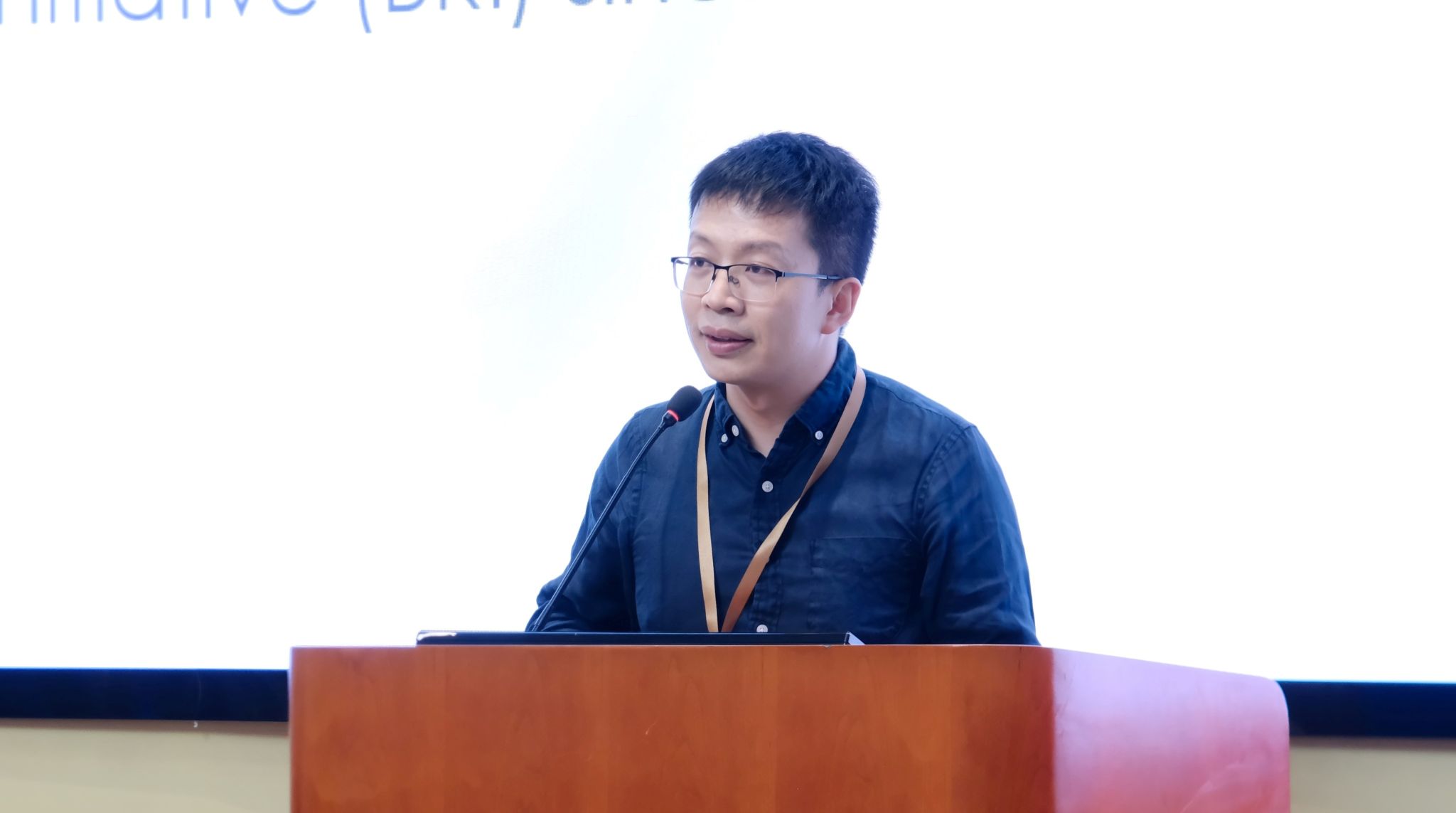
Xie Kankan, Tenured Associate Professor, Peking University
Dr. Li Wanjun, Associate Professor at the Faculty of Southeast Asian Studies, Guangdong University of Foreign Studies, delivered a report titled “A Retrospect of Southeast Asian Language Translation Projects Funded by the Chinese Academic Translation Project (CATP) under the National Social Science Fund of China (NSSFC).” She noted that since its establishment in 2010, the CATP has grown from 13 funded projects to 255 in 2025, an increase of nearly 20-fold. Southeast Asian language projects have achieved a breakthrough since 2020, with Thai, Vietnamese, Malay, Indonesian, and Khmer receiving funding support, making them the most frequently supported languages in the region. Drawing on interviews with five successful applicants, she analyzed the evolving relationship between Southeast Asian Studies in China, Chinese academic translation, and international scholarly collaboration. She suggested that the coming years may offer new opportunities for overseas scholars to participate in the international dissemination of Chinese scholarship.
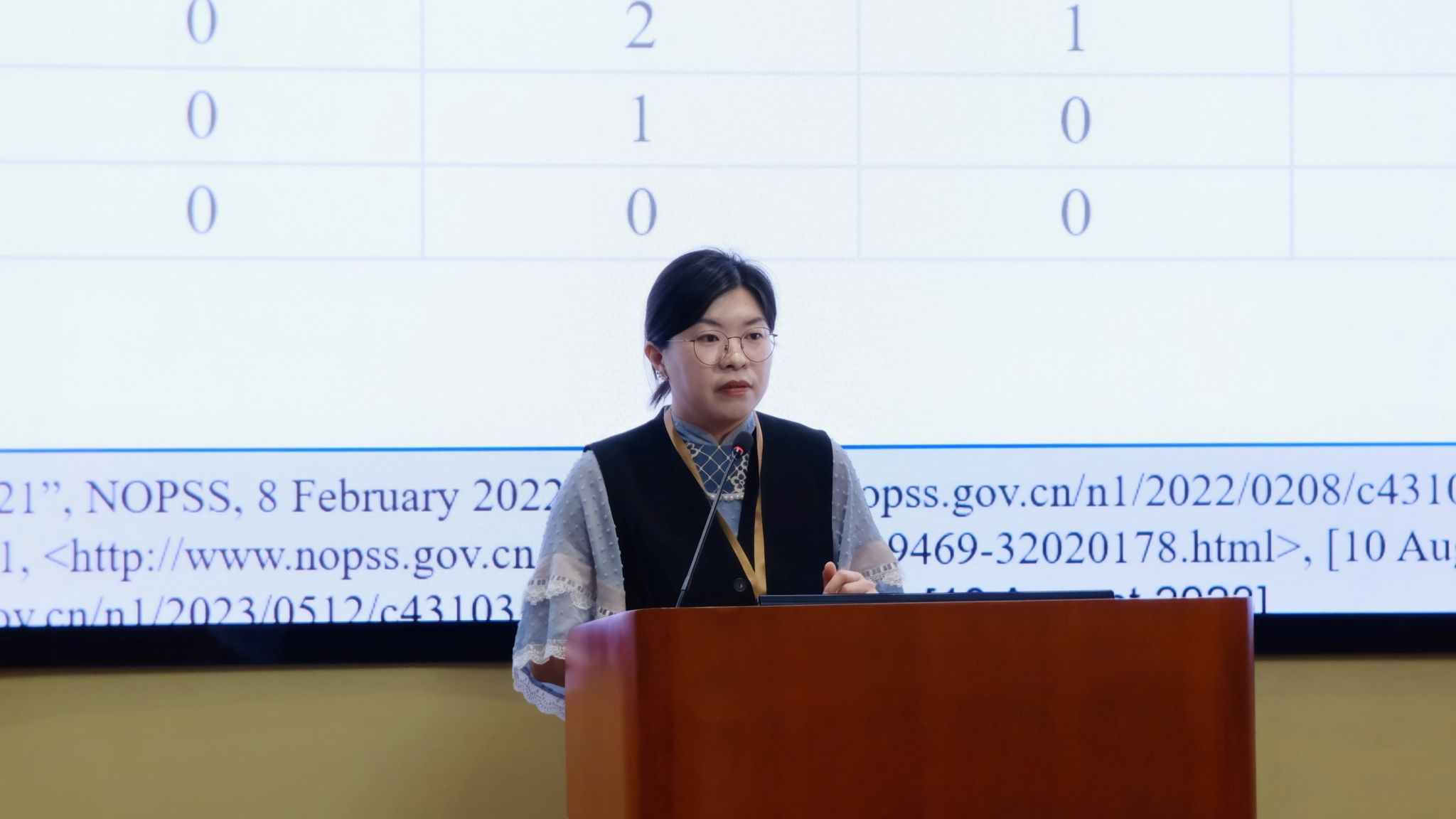
Li Wanjun, Associate Professor, Guangdong University of Foreign Studies
After the morning session concluded, the floor opened for a focused discussion. Scholars and students engaged in a lively Q&A session on topics including the disciplinary boundaries of area studies, language proficiency and archival training, and the tensions between policy-oriented and basic research. The discussion not only resonated with the core questions raised in the presentations but also further highlighted the multiple challenges facing Southeast Asian Studies in terms of knowledge infrastructure, source materials, and research methodologies.
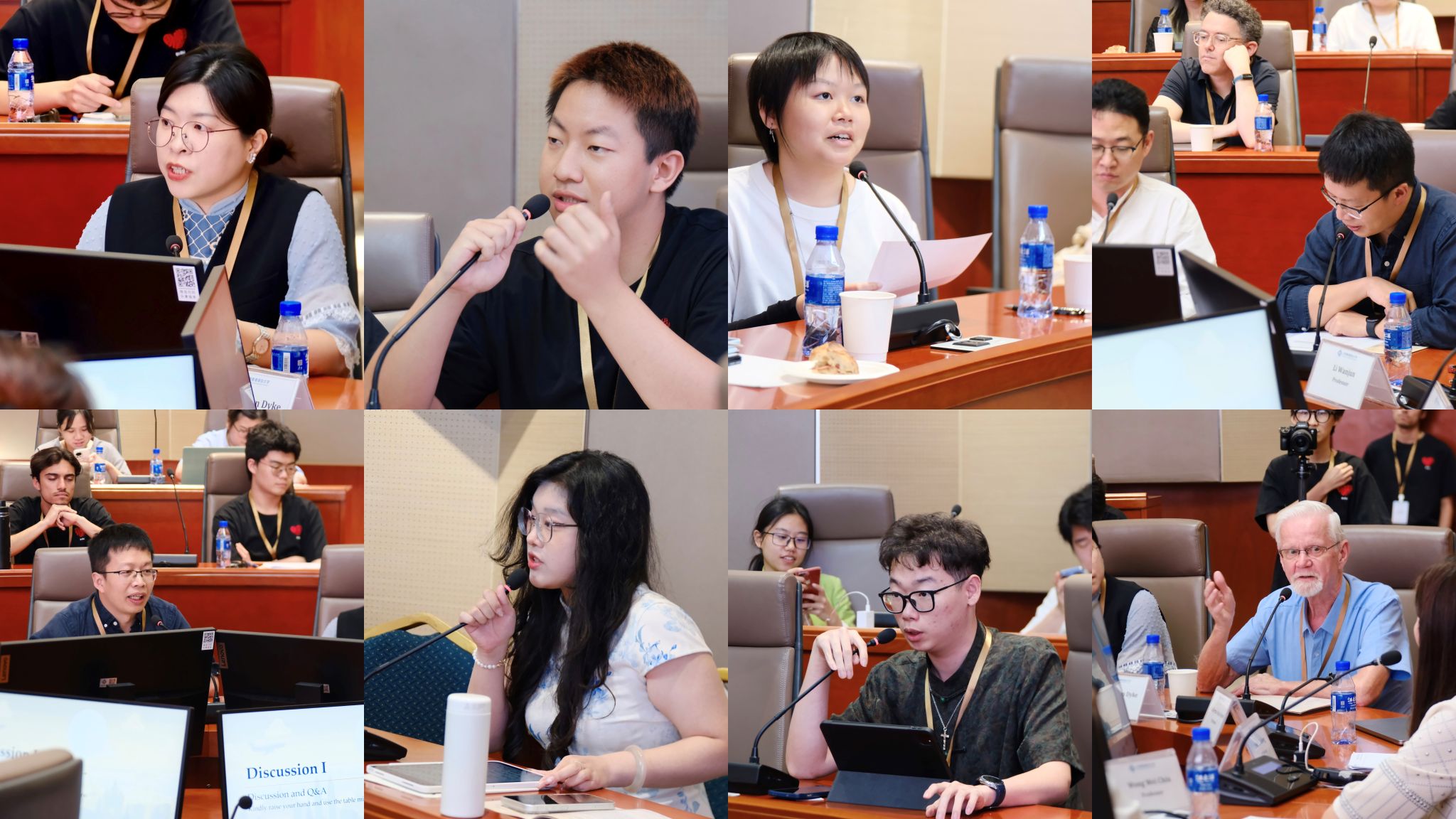
Discussion and Q&A session during the symposium
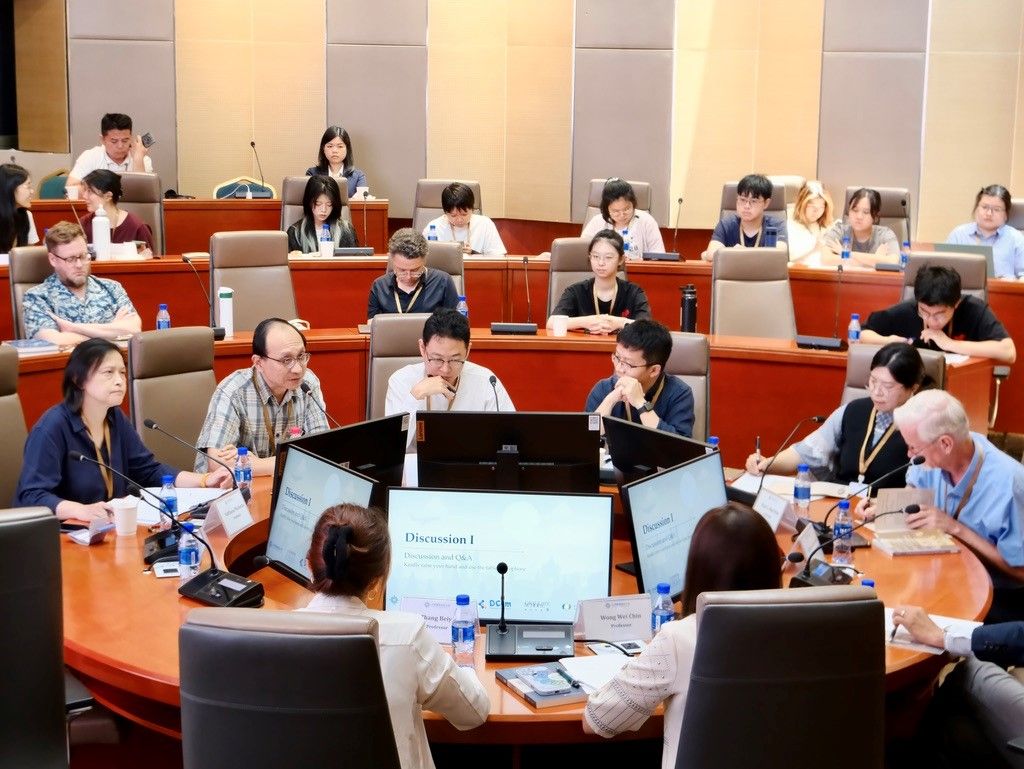
Scholars exchanging insights and perspectives during symposium sessions
The afternoon session, themed “Transregional Flows and Connections Across the Delta and the South China Sea” was moderated by Wang Xun, a doctoral candidate in the Department of Southeast Asian Studies at the National University of Singapore. Professor Paul A. Van Dyke, Emeritus Professor in the Department of History at Sun Yat-sen University, delivered a report titled “Intersecting Histories of the Pearl River Delta, 1820-1940.” He pointed out that the historical interactions between Macao, Canton, and Hong Kong must be understood within the broader framework of the Pearl River Delta, as many commercial and social activities operated not on a single-city basis but at the scale of the entire delta. Such research topics have long been difficult to pursue due to the involvement of multilingual sources—Portuguese, English, and Chinese—and the sheer volume of materials. However, with the development of OCR retrieval and AI translation technologies, this situation has fundamentally changed. Using the example of the steamboat tourism industry that emerged in the 1860s—including hotels, transportation, and advertising—he illustrated how these activities were cross-city “delta operations.” Professor Van Dyke further demonstrated that AI translation now enables cross-referencing of Portuguese, English, and Chinese historical sources, making delta-wide research a feasible academic direction.
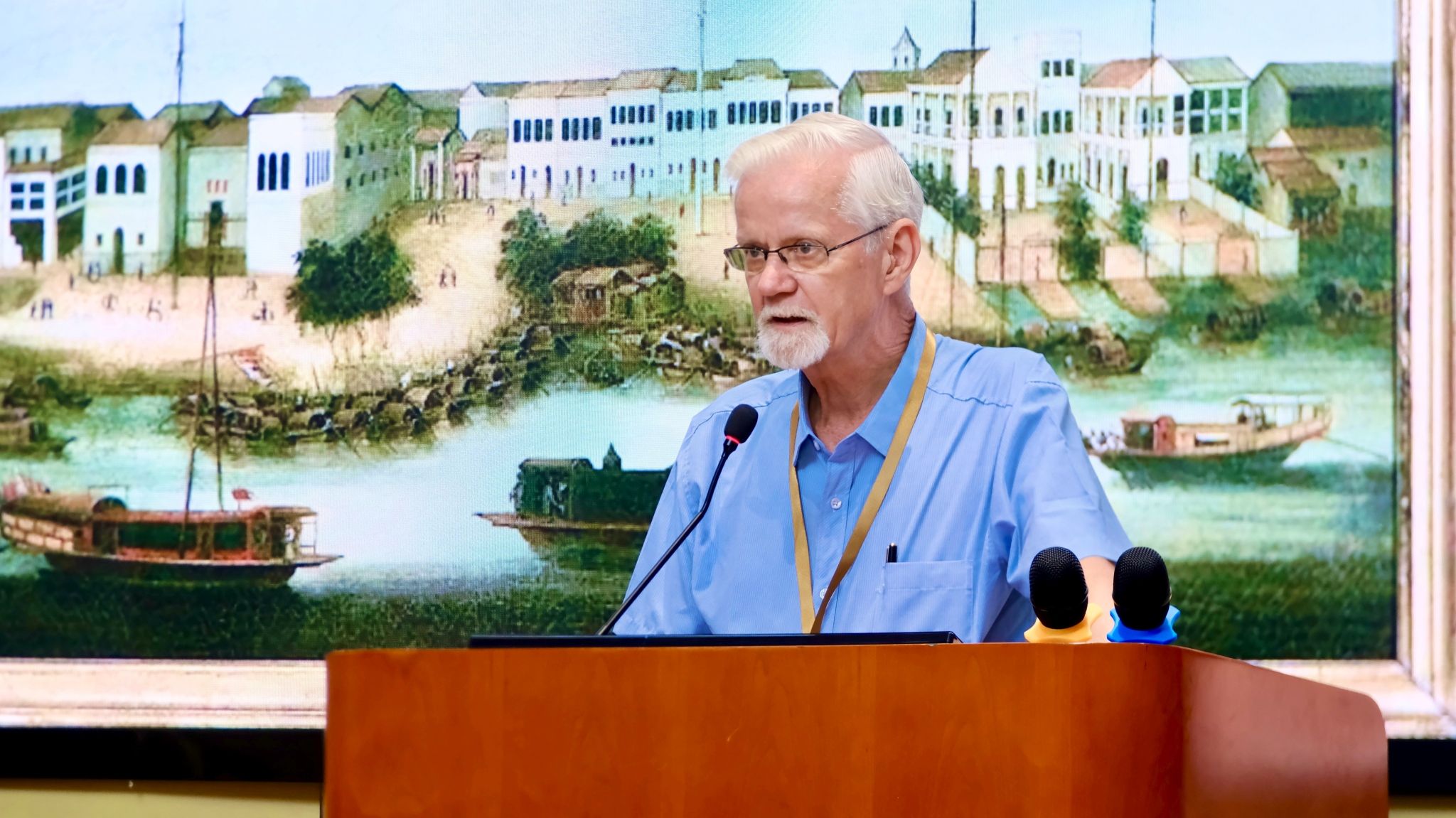
Paul A. Van Dyke, Emeritus Professor, Sun Yat-sen University
Dr. Guillermo Ruiz-Stovel, Assistant Professor in the Department of History at the University of Macau, delivered a report titled “At the Intersection and Interconnection of South China, Southeast Asia, and Spanish Trans-Pacific Studies.” He focused on introducing Ye Qianyong’s “A Brief Account of Luzon” (Lüsong jilüe) — the only detailed first-hand account of Spanish Manila during the Galleon Era written by a Chinese observer, recording the author's voyage from Shanghai to Manila in 1812. Dr. Ruiz-Stovel read this text alongside Spanish notarial and administrative archives, discussing archival asymmetry, changes in trade and governance regimes, as well as the challenges and significance of integrating Spanish Pacific studies into the historiographical framework of South China-Southeast Asia connections.
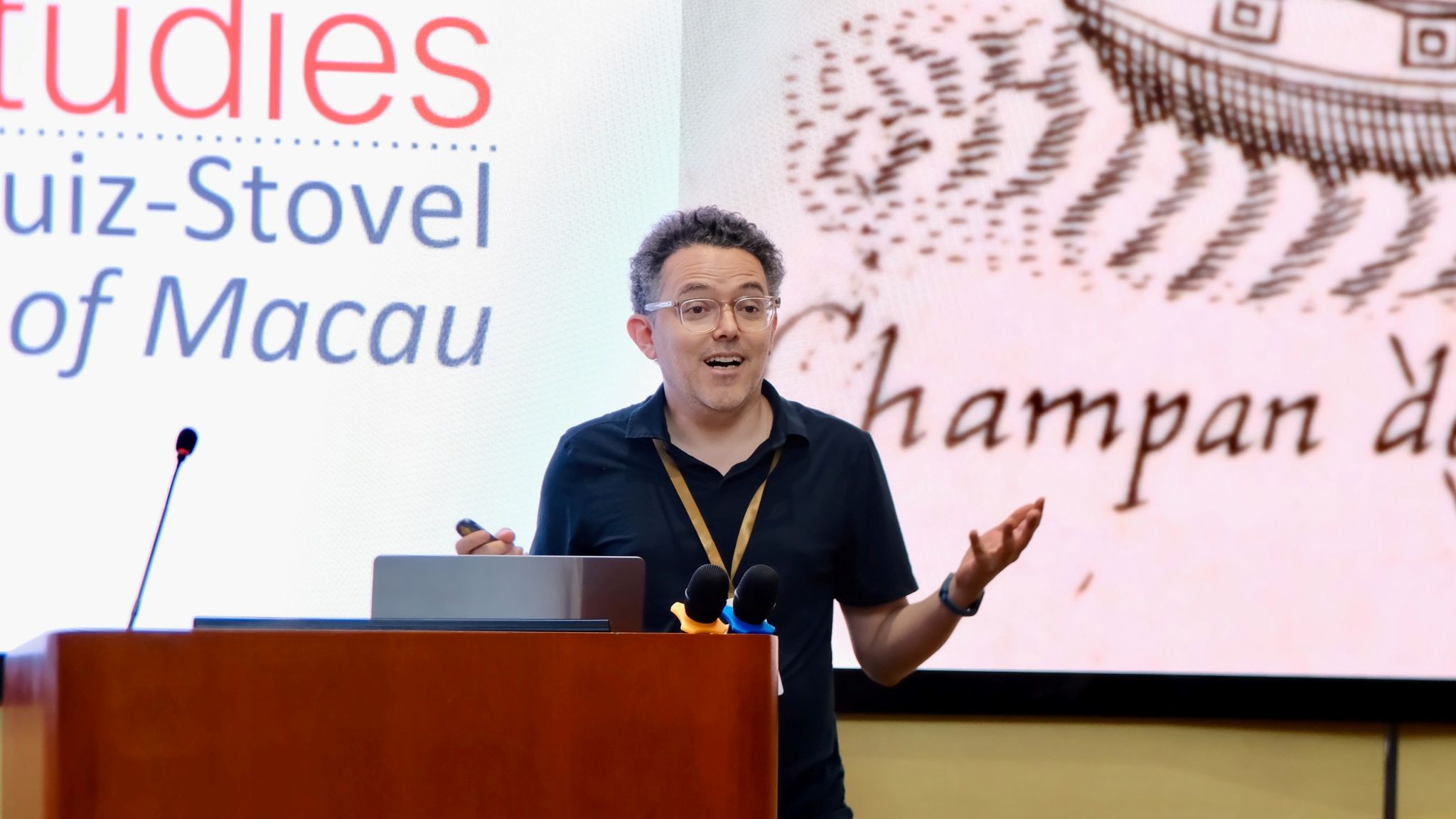
Guillermo Ruiz-Stovel, Assistant Professor, University of Macau
Professor Jely A. Galang, from the Department of History at the University of the Philippines-Diliman, delivered a report titled “(Re)Discovering Philippines-China Historical Connections: Challenges and Opportunities in Archival Research.” He pointed out that archival sources from the Spanish colonial period are mainly dispersed across Spain, Mexico, and the Philippines. Although some have been digitized, researchers continue to face obstacles such as fragile documents, illegible handwriting, and insufficient Spanish language proficiency. Professor Galang reviewed the scholarly trajectory of Philippines-China studies since the 1950s and called for strengthening training in Spanish and paleography, as well as improving archival access, to encourage more students to engage with archival research.
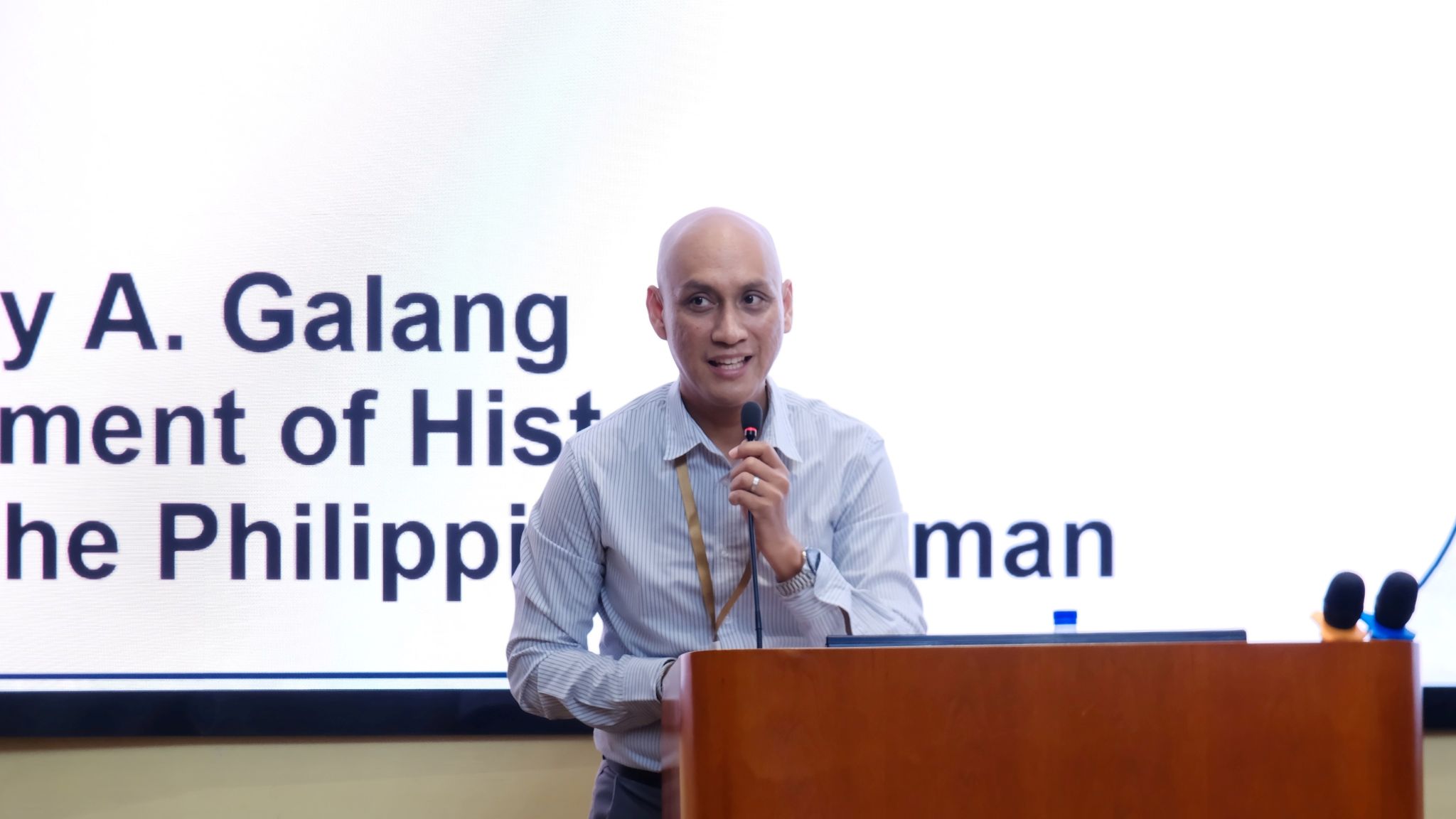
Jely A. Galang, Professor, University of the Philippines-Diliman
Dr. Wong Wei Chin, Associate Professor of Chinese Culture and Global Communication in the Department of Communication at Beijing Normal-Hong Kong Baptist University, delivered a report titled “From Intersection to Interconnection: Missionary Print, Chinese Migrants, and the Paratextual Sources of the Nanyang.” Drawing on nineteenth-century missionary accounts The Chinese Recorder and Missionary Journal (1867–1941) as primary source, she argued that migrant agency is preserved not in the evangelical main text, but at the margins of paratexts—shipping schedules, news briefs, wage tables, advertisements, and private correspondence. She found that although the journal never directly used the geographical concept of “Nanyang,” it repeatedly presented shipping routes and labor information connecting ports such as Singapore, Penang, Swatow, and Amoy. Through these paratextual margins, the missionary journal constructed spatial, human, and information infrastructure that migrants could read and exploit, revealing how Chinese migrants relied on these marginal sources to navigate and sustain livelihood while drifting between their hometowns and sojourning destinations.
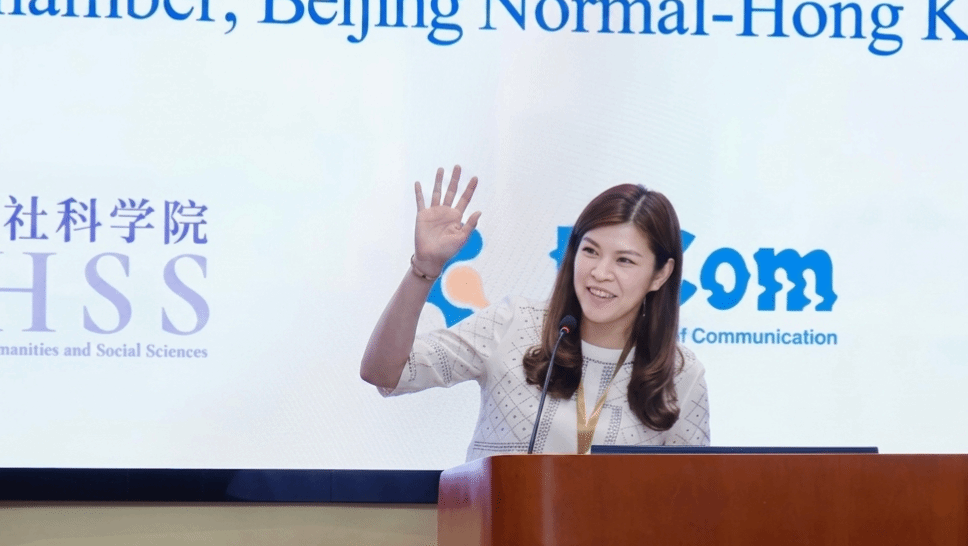
Wong Wei Chin, Associate Professor, Beijing Normal-Hong Kong Baptist University
Dr. Zhang Beiyu, Associate Professor at the School of International Studies and the Academy of Overseas Chinese Studies at Jinan University, delivered a report titled “Beyond Propaganda and Bridges: Reframing China-Southeast Asia Encounters Through Itinerancy, Embodiment, and Ephemeral Archives.” She argued that cultural interactions between China and Southeast Asia should not be understood solely through the lenses of nation-states, propaganda models, or narratives of the overseas Chinese as “bridges.” She proposed three alternative approaches. The first is “itinerancy,” focusing on how performers moved across ports to make a living amid war and the Cold War, where “running between ports” (pao ma tou) was both a livelihood necessity and a survival strategy. The second is “embodiment,” examining how dance and song served as sites for the transmission and negotiation of culture. The third is “ephemeral archives,” drawing on everyday objects such as stamps, programs, and private letters to reconstruct networks of agency and affective connections that official archives often fail to capture.
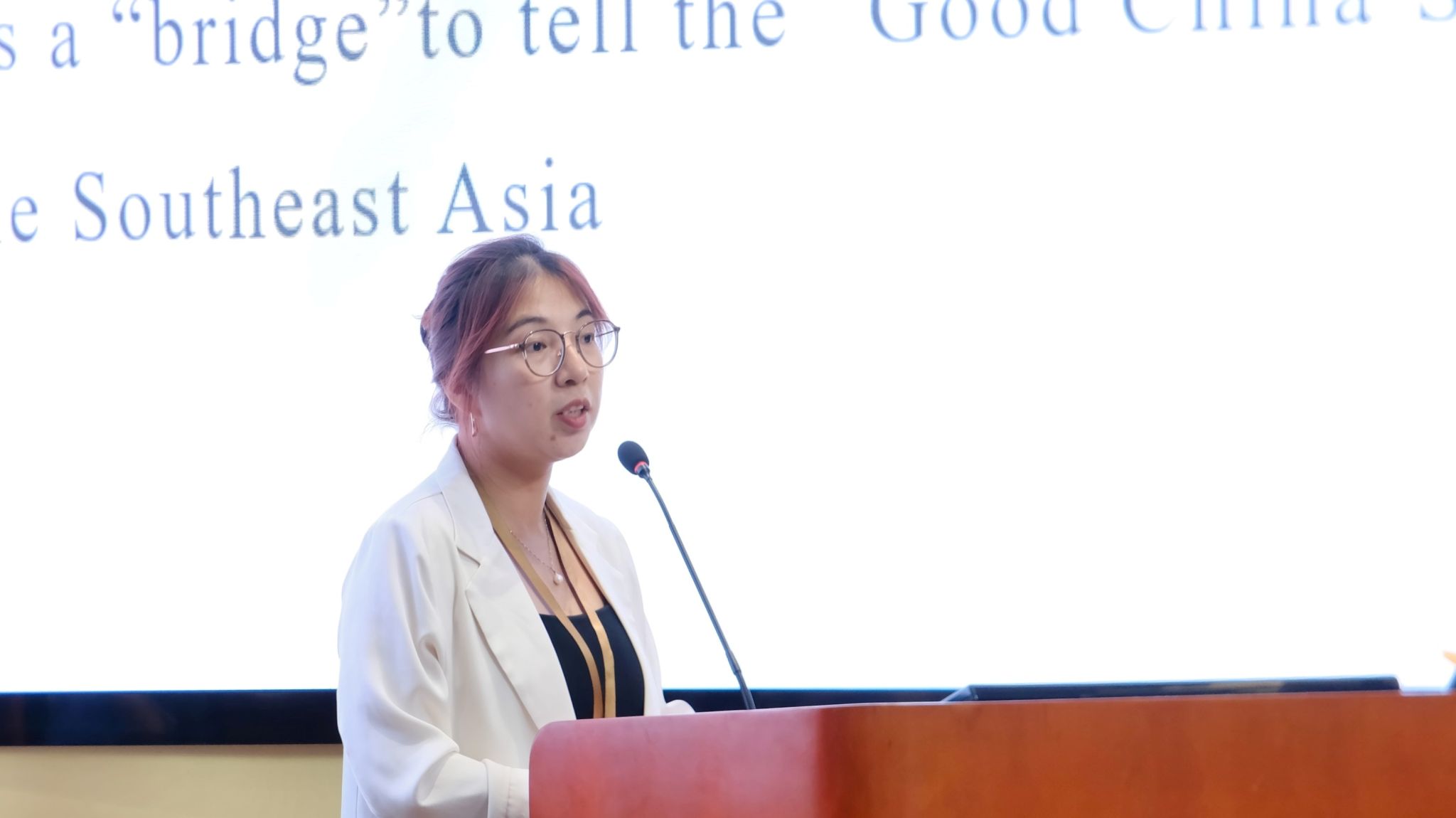
Zhang Beiyu, Associate Professor, Jinan University
After the afternoon session concluded, scholars reconvened for a roundtable discussion, exchanging views on future directions for South China-Southeast Asia studies, cross-linguistic archival competencies, the training of early-career researchers, and innovations in transregional research methodologies. In her concluding remarks, Dr. Wong Wei Chin expressed gratitude to all guests, the Organizing Committee, the student assistant team, and all participating faculty and students for their support of the symposium. She further expressed her hope that the symposium would serve as a catalyst for sustaining deeper academic collaboration between South China and Southeast Asian studies.
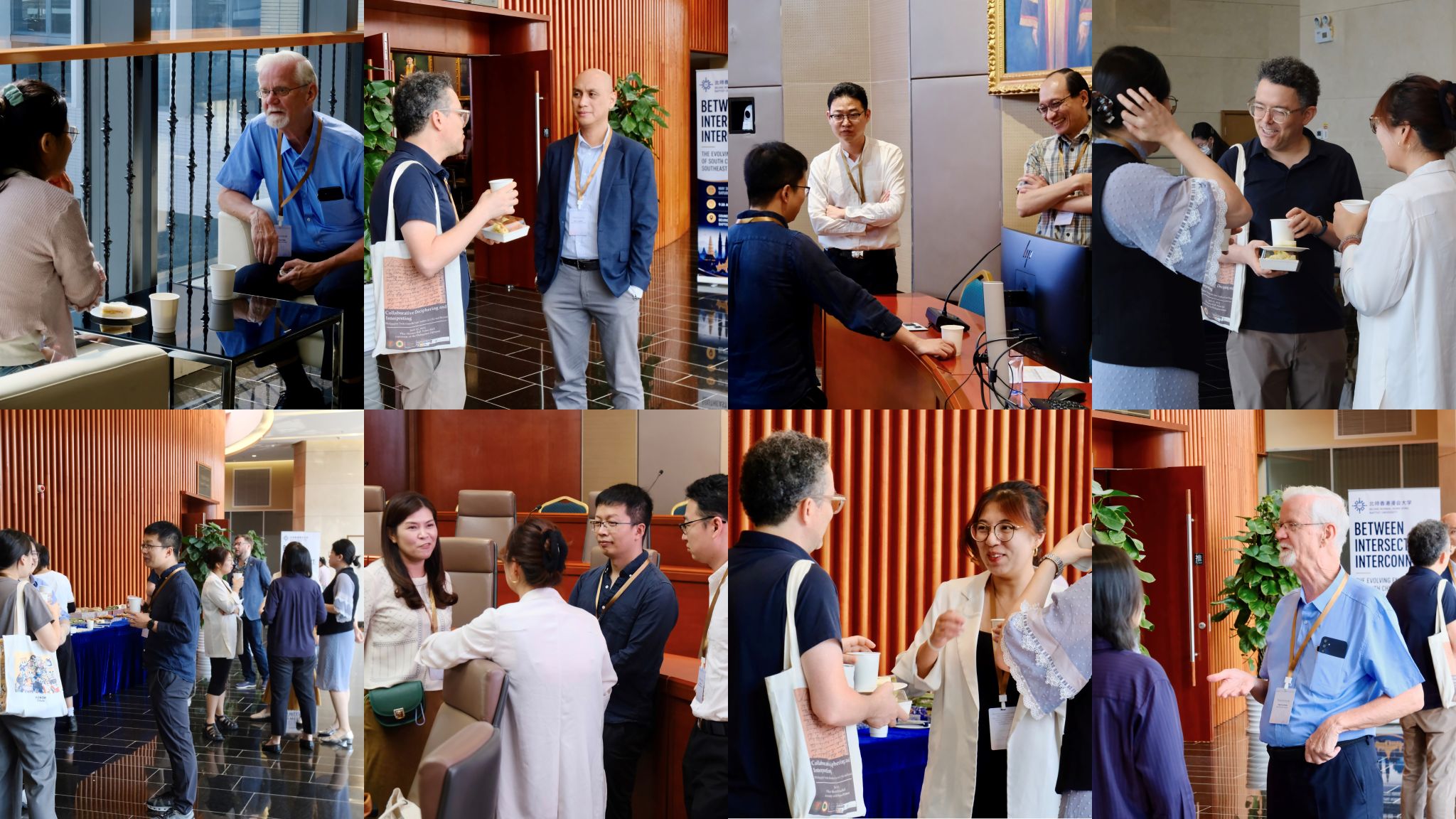
A moment of intellectual camaraderie: Scholars discussing and responding to each other’s research
This symposium took the “intersect” and “interconnect” of South China and Southeast Asia as its central axis, bringing together institutional histories of area studies, maritime trade history, Chinese migration history, missionary printing, translation projects, performance practices, and archival methodologies within a shared conversational space. Through interdisciplinary, cross-linguistic, and transregional dialogue, the symposium not only presented the rich empirical insights of South China-Southeast Asia studies but also offered new scholarly perspectives on the historical continuities and future possibilities of regional relations in the context of global transformation.
Looking ahead, South China-Southeast Asia studies will require closer connections between material cross-referencing, language competencies, digital tools, and cross-institutional collaboration. The diverse themes presented at this symposium suggest that only by maintaining an open dialogue between historical depth and contemporary concerns can we more fully grasp the networks of mobility, knowledge mechanisms, and social practices that underpin regional encounters.
